Article
COP 30 Live Blog - 20th November

COP30 Live Blog
47 w
•
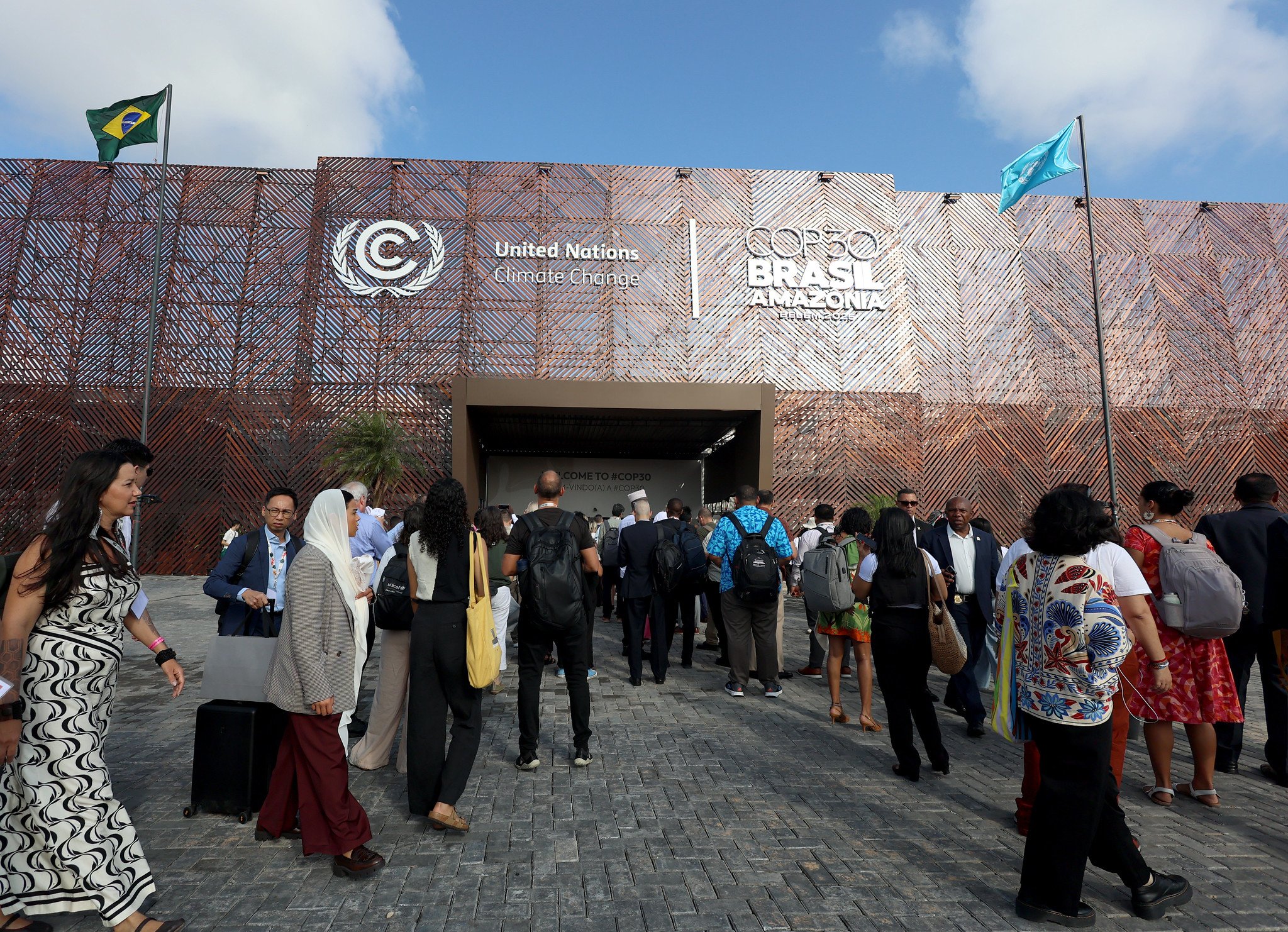
Welcome to our live blog of the 30th Conference of the Parties (COP 30) to the United Nations Framework Convention on Climate Change (UNFCCC), taking place in Belém, Pará, Brazil. Over the next two weeks, world leaders, policymakers, activists, and experts will gather to discuss and negotiate critical issues related to climate change, biodiversity, and sustainability. The stakes are high, as the world faces a climate crisis that demands urgent and transformative action, especially within the context of the Amazon rainforest and global ecological balance. We will be bringing you real-time updates, insights, and exclusive behind-the-scenes glimpses of the event, providing a comprehensive overview of the discussions, decisions, and outcomes of COP 30.
Blue Zone Reopened: Focus Returns to Final Negotiations
Updated 20:30h – 20/11/25
The Blue Zone has been reopened, resuming operations at 8:40 PM local time following a comprehensive safety assessment. Brazilian authorities confirmed that the site was inspected and deemed fully safe by the Fire Department, which subsequently restored the venue’s operating permit to the UNFCCC. Organizers continue to closely monitor the condition of the individuals who required medical attention earlier today, primarily for smoke inhalation. While the main conference area is now operational for delegates, the specific area affected by the incident will remain isolated until the conclusion of the conference tomorrow as a necessary safety precaution.
With the venue secured, the focus immediately shifts back to the critical, high-stakes climate negotiations, which were dramatically interrupted just hours before the summit's official close tomorrow. Although all plenary activity scheduled for this evening was cancelled, the COP Presidency confirmed that tomorrow’s plenary sessions will proceed as planned, open to Parties and streamed online. The UNFCCC and the Presidency urged delegates to return to the negotiations in a spirit of solidarity and determination, emphasizing the substantial work ahead in securing a successful outcome on core issues like the Belém package before the deadline tomorrow.
Quick Recap of Where Things Stand
Updated 18:30h – 20/11/25
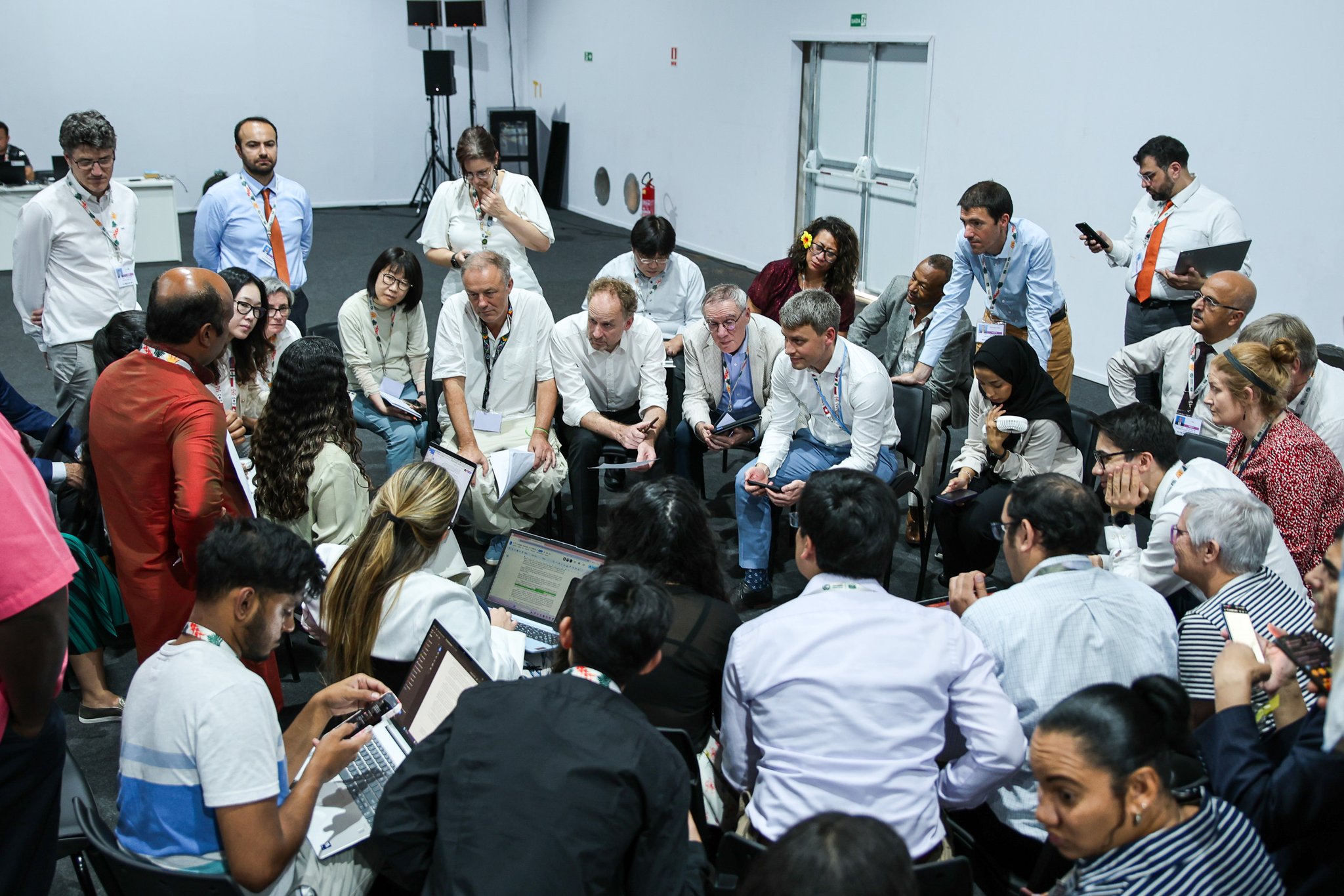
Before the evacuation, the negotiation tracker showed that out of the original 121 agenda items, 51 were agreed and 38 were in draft form, but 10 of the most challenging issues remained unresolved—a number that has barely budged since Monday. The biggest questions requiring immediate consensus now hang in the balance, including whether the final text will include a credible fossil fuel roadmap with provisions for a just transition, and how ministers will finally resolve the contentious issue of climate financing to ensure the most vulnerable nations receive the necessary funds for adaptation and resilience. New draft texts were expected tonight, but that was before the fire. COP 30 is teetering on a critical brink, with the final 48 hours of the summit disrupted by the fire that forced the Blue Zone's closure, stalling efforts to finalize the crucial "Belém political package."
Blue Zone Closure Halts Negotiations After Fire
Updated 17:00h – 20/11/25
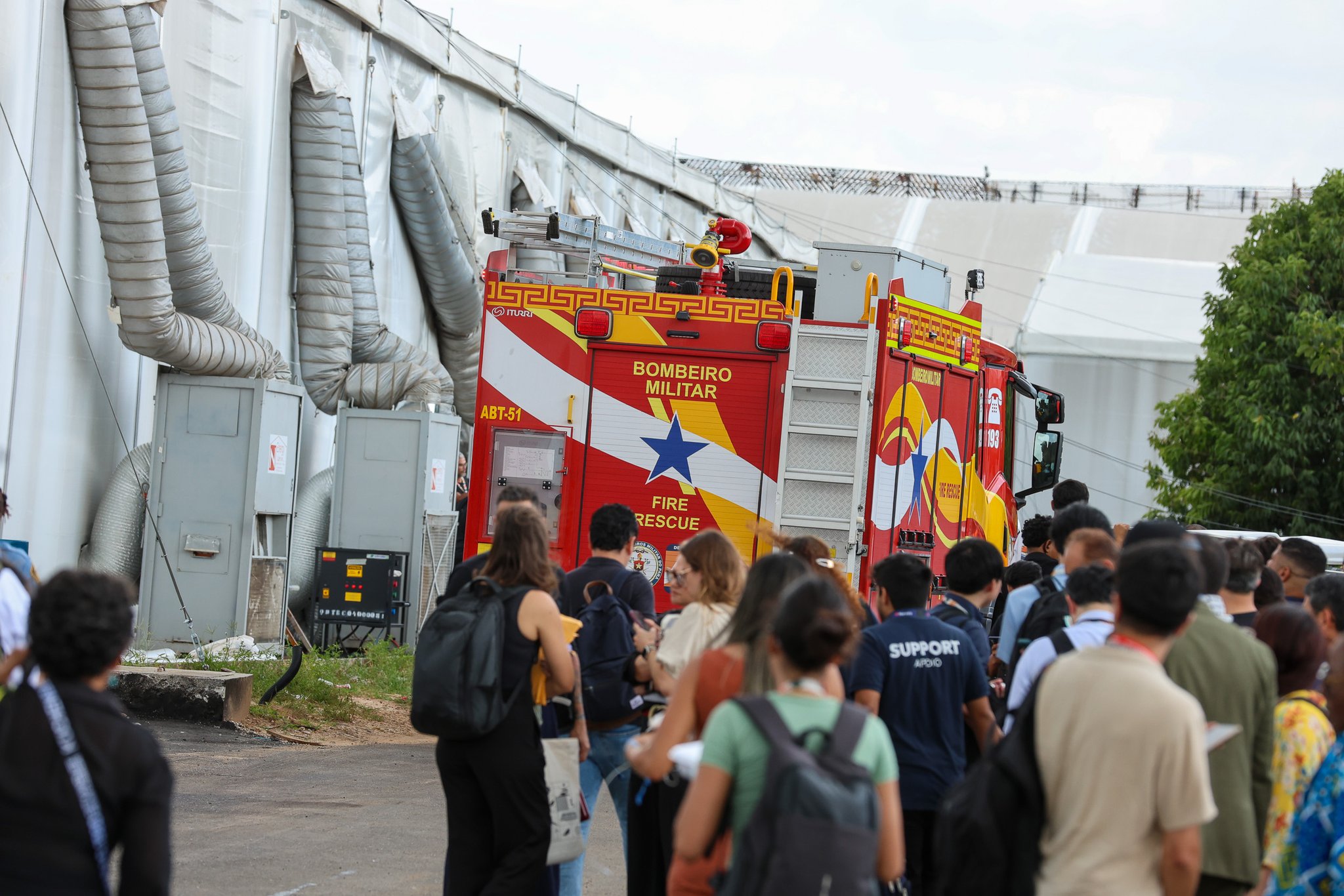
The fire that broke out in the COP30 Blue Zone this afternoon, just after 2 PM local time, forced an immediate and complete evacuation, bringing all negotiations to an abrupt halt. The blaze, which ignited in the pavilion area for currently unknown reasons, was successfully contained, but its aftermath led the COP 30 organizing committee to announce the venue will be closed until 8:00 PM local time. Officials stated that delegates must await further communication at that time, once the venue has been "thoroughly evaluated and deemed fully safe." Although no serious injuries were reported, more than a dozen people were treated for smoke inhalation, and the sudden evacuation was described as harrowing by many attendees. This incident adds to a list of dangers that have plagued the temporary summit venue, including previous waterlogging from heavy rain, extreme heat and humidity, and ongoing criticism regarding the heavy-handed crackdown on public protests.
Fire Breaks Out in COP 30 Blue Zone, Venue Evacuated
Updated 14:15h – 20/11/25
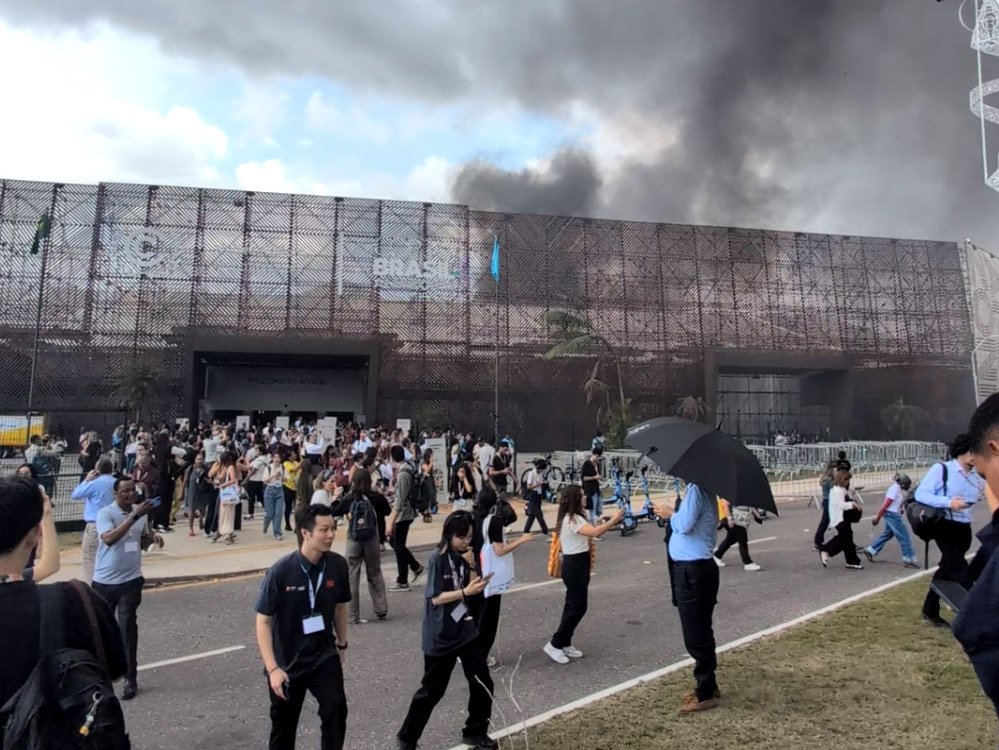
A fire has broken out within the Blue Zone of the COP30 venue in Belém, triggering an immediate and full evacuation of the conference center.
Flames are billowing from a pavilion structure as security personnel sounded alarms and whistles to clear the area. Smoke could be seen wafting from the temporary structures as throngs of delegates, negotiators, and press quickly evacuated to areas outside the main halls.
All attendees have been asked to leave the venue, and fire trucks have arrived on the scene to contain the blaze. The incident has halted all afternoon discussions on this critical, final negotiating day.
COP 31 Host Antalya: A Climate Crisis Frontline
Updated 13:30h – 20/11/25
The host city for next year's COP is set to be Antalya, Turkey, a stunning Mediterranean resort city with a rich history, but one that is increasingly on the frontlines of the climate crisis. The southern Turkish city and its surrounding province have recently been plagued by severe climate impacts, including horrific, destructive wildfires—such as those near Manavgat in 2021 and in the Alanya district in 2025—and severe floods that inundated roads after heavy rains in 2024. These violent weather patterns are not isolated events; like many countries in the Mediterranean, Turkey is experiencing conditions that have been scientifically linked to carbon pollution, with a World Weather Attribution analysis finding that the specific weather conditions leading to deadly wildfires in the region in July were made ten times more likely due to climate change, providing a stark backdrop for the next round of global climate talks.
Guterres Delivers Urgent Plea: "1.5°C Must Be Your Only Red Line"
Updated 13:00h – 20/11/25
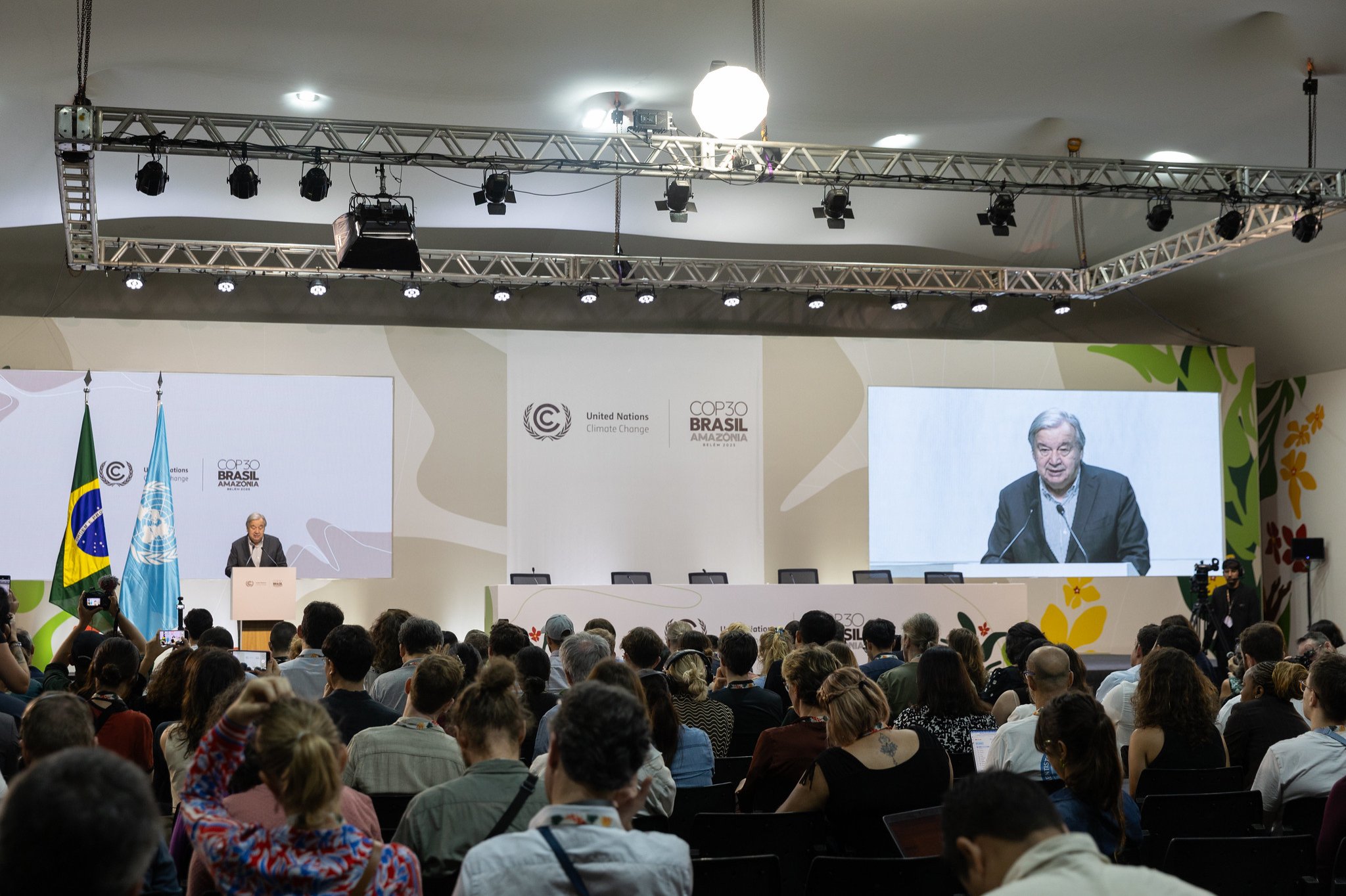
UN Secretary-General António Guterres delivered a powerful and urgent message to delegates speaking at plenary on the penultimate day, demanding leaders find "ambitious compromise" and deliver a fair outcome that is "concrete on funding and adaptation, credible on emission cuts, and bankable on finance." Guterres warned that the current national climate plans (NDCs) put the world on a path to a global temperature rise of more than 2 C, declaring starkly: "That is a death sentence for many."
He stressed that communities on the frontlines have "heard enough excuses" and are watching, counting their flooded homes, failed harvests, and lost livelihoods. Acknowledging that a temporary overshoot of the 1.5 C target is now inevitable, he urged nations to act with speed and scale to bring temperatures back down by the end of the century, pleading: "1.5°C must be your only red line. This is the hour for leadership. Be bold. Follow the science. Put people before profit."
Guterres was notably firm on the issue of climate finance, calling for a tripling of finance for adaptation—a significant step up from the existing commitment to double it. He argued that for millions, adaptation is not an abstract goal but "the difference between rebuilding and being swept away," underscoring the need for predictable, accessible, and guaranteed funding. While diplomatic on the political roadblock to a fossil fuel roadmap, he insisted: "The world must pursue a just, orderly and equitable transition away from fossil fuels," and supported a just transition mechanism to protect affected workers. Finally, when asked for his message to Donald Trump, who called the climate crisis a "con job," Guterres replied succinctly: "We are waiting for you," adding, "Hope is the last thing to die."
Vulnerable Nations Demand Science-Anchored Action and Tripled Finance
Updated 12:30h – 20/11/25
The Least Developed Countries (LDCs) and the Alliance of Small Island States (AOSIS) issued a call for climate negotiations to be firmly anchored in the best-available science, warning that anything less than the 1.5 C warming limit poses an existential threat. They sharply underscored the dramatic consequences of failing to meet the 1.5 C target versus a 2 C rise, pointing specifically to the dire state of coral reefs—which are vital for their food security, development, and biodiversity—that face virtual total loss at higher warming levels. To combat these intensifying impacts, the coalition vehemently called for a tripling of adaptation finance. They lamented that the current system is inadequate and inaccessible, forcing developing nations to divert an ever-greater share of their already strained domestic resources to adaptation efforts due to significant barriers in accessing promised international funds.
Mid-Day Update
Updated 12:00h – 20/11/25
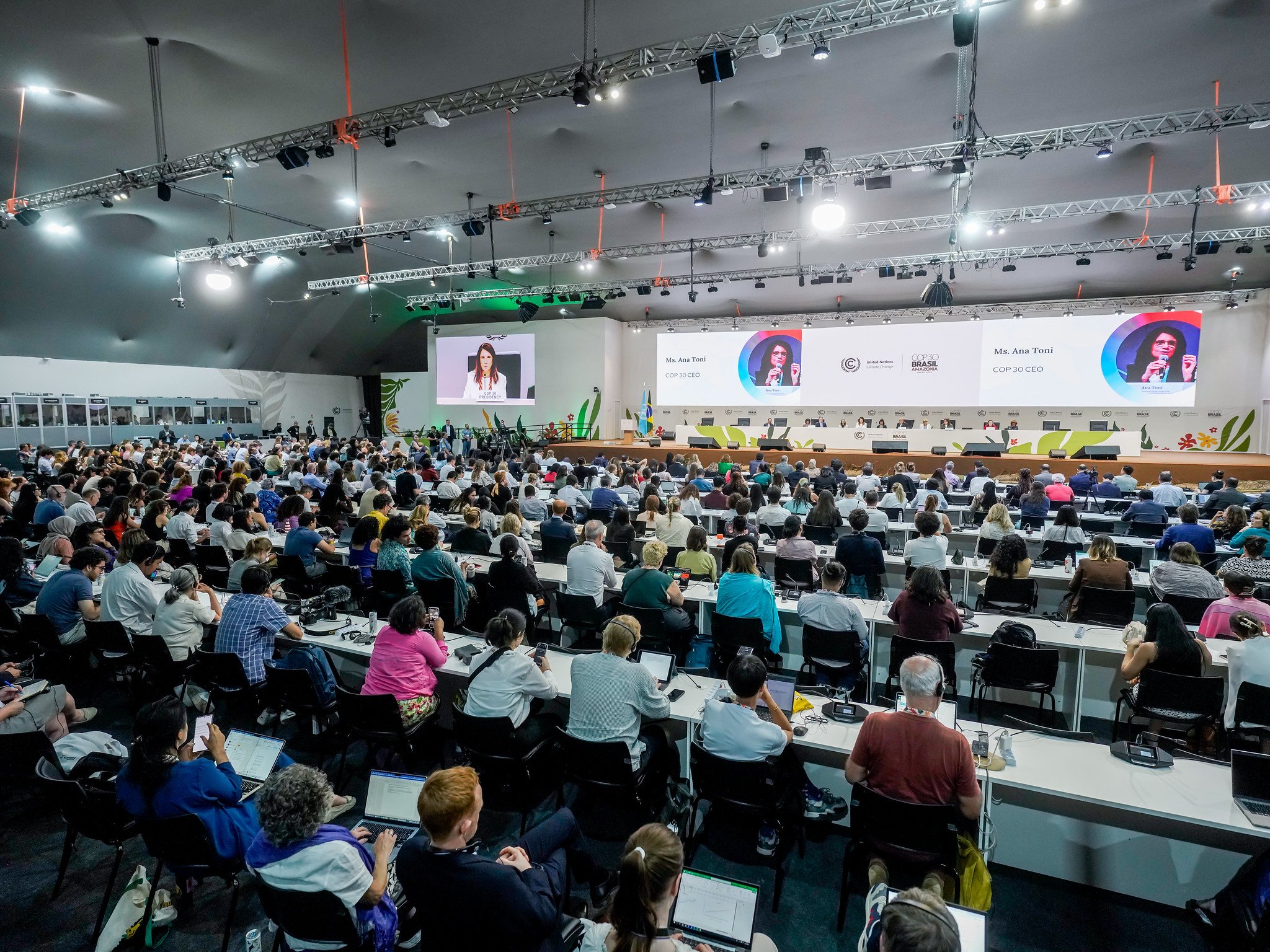
The day picked up where things left off the night before—in backroom negotiations, with the Presidency conducting shuttle diplomacy to broker agreement among different groups. At the technical level, some negotiators found consensus in the very early morning hours, such as those working on ex ante climate finance reporting. The room debating enhanced engagement of local communities in the UN Framework Convention on Climate Change (UNFCCC) process also settled on a way forward.
Most consultations held throughout the day were less successful, however. This includes not only the discussions on the rules of procedure and decision-making in the UNFCCC process, on which agreement has been notoriously elusive for many years, but also discussions on the transfer of funds remaining in largely defunct Kyoto Protocol institutions.
Highlighting Afro-Descendant Women's Role in Climate Action
Updated 11:30h – 20/11/25
The COP 30 Presidency hosted a high-level dialogue today, "Towards a People-Centered Climate Action: Recognizing the Role of Women and Girls of African Descent," which aimed to elevate the contributions and visibility of this critical, yet often marginalized, demographic. The event, held in light of the UN Second Decade for People of African Descent (2025–2034), spotlighted the fact that while women and girls of African descent face disproportionate climate impacts due to intersecting vulnerabilities rooted in racism and historical inequalities, they are simultaneously central actors in climate action. The panel, which included UNFCCC Executive Secretary Simon Stiell, COP30 Special Envoy on Gender Janja Lula, and the Special Envoy on Racial Equality Jurema Werneck, sought to address how intersecting forms of discrimination shape the climate crisis's burden and what responses within the UNFCCC process can foster a more just and inclusive approach.
A key focus of the high-level session was strengthening solidarity and alliances across movements, particularly between Afro-descendant, Indigenous, and local community women and girls. Speakers, including representatives from Colombia and Burkina Faso (H.R.H Princess Abze Djigma), explored opportunities for joint advocacy and knowledge exchange to advance environmental justice and climate action. The expected outcomes included increasing the visibility and recognition of African-descendant women and girls in climate policies and decision-making, deepening the exploration of the intersection of gender, race, and climate vulnerability, and making concrete contributions to the legacy of the Second International Decade for People of African Descent with a clear focus on climate justice.
Gaza Conflict and Military Emissions Cast Shadow
Updated 11:00h – 20/11/25
The catastrophic impacts of the conflict in Gaza and the wider issue of military emissions are casting a heavy shadow over the final days of COP 30, with delegates and activists strongly linking the humanitarian and ecological crisis to climate justice. Ahmed Abu Thaher, Director of Projects for Palestine's Environment Quality Authority, stated that his top priority at the talks is to secure a permanent ceasefire and halt Israeli settler violations in the West Bank, noting that the ecological devastation in Gaza is "unprecedented." Abu Thaher cited UN estimates showing that 80% of Gaza's infrastructure is demolished, all six wastewater treatment plants are damaged, and 60 million tons of rubble—potentially contaminated with toxic asbestos—has accumulated, leading to a profound public health crisis.
This crisis has fueled calls for greater accountability, with activists chanting, "There is no climate justice without justice for Palestine" outside the summit and demanding a fuel embargo on Israel. Furthermore, the issue has highlighted the systemic omission of military emissions from mandatory climate reporting under multilateral agreements. Benjamin Neimark, a scholar pushing for transparent reporting, argued that the UNFCCC must mandate this data to establish baselines for necessary cuts, citing a study he co-authored that estimated emissions from the first 15 months of the Gaza war exceed those of 100 individual countries. Experts argue that ignoring these harsh realities—which Brazilian President Lula da Silva declared the "Cop of truth" must face—will not only harm Palestine but fundamentally hamper global climate progress, as nations cannot effectively build resilience while simultaneously engaging in highly destructive conflicts.
Gender Definition Battle
Updated 10:30h – 20/11/25
A coalition of countries including the Vatican, Iran, Paraguay, Argentina, Indonesia, and Malaysia are attempting to narrow the definition of "gender" in key negotiating texts. This move, reported by AFP, is seen as an effort to exclude trans and non-binary people and is being executed through the use of footnotes that attach country-specific interpretations to global agreements. The footnotes have appeared in both the draft Gender Action Plan (GAP) and the text related to the "just transition" framework.
The Vatican, for example, states its understanding of gender is "grounded on the biological sexual identity that is male and female." This attempt to rollback established principles has drawn sharp criticism, with Mexico’s secretary of environment, Alicia Barcena, stating, "We feel we are going backwards – we should never go backwards." Experts warn that footnoting core terms like this could lead to the complete fragmentation of negotiations, as gender equality is an agreed principle under the UNFCCC. Due to the high sensitivity and political implications, the Brazilian Presidency has been forced to elevate the issue from technical negotiations to a higher ministerial level in a last-minute attempt to hash out a compromise.
Lula Addresses Press Amidst Negotiation Chaos
Updated 10:00h – 20/11/25
Brazilian President Luiz Inácio Lula da Silva addressed journalists following his return, but his appearance coincided with the passage of the Presidency's optimistic deadline to gavel through a final political package. The scene was characterized by the chaotic "news stampede." Lula's core message focused on the proposal for a roadmap to transition away from fossil fuels. He stressed that the proposal is not about "imposing anything to anyone" or "determining deadlines for countries to stop burning fossil fuels." Instead, he framed the goal as a collective conversation on "how to live without fossil fuel" and building a path to that end, while respecting the "political, ideological, territorial and cultural sovereignty of each country."
Despite his optimistic assertion that his negotiators would achieve "the best result a Cop could have ever offered to the Planet Earth," significant rifts remain. The Presidency's hoped-for package—which includes resolutions on a fossil fuel roadmap, climate finance, unilateral trade measures, and progress on inadequate emissions-reduction plans—failed to materialize by the Wednesday night deadline, with the host now promising new draft text for Thursday. The continued deadlock underscores the difficulty of achieving consensus on these core issues, reminding veteran attendees that "Cop is a marathon, not a sprint."
What to Expect on Day 11
Updated 09:30h – 20/11/25
10:00AM - 12:00PM Towards a people-centered climate action: recognizing the role of women and girls of African descent
11:00AM - 1:30PM Dialogues for Race-Sensitive Climate Solutions, Ethnic-Racial Equality, and their Intersectionalities
12:30PM - 2:00PM Global Mutirão: A Lasting Legacy
2:30PM - 4:00PM Indigenous Peoples and Local Communities: the Heart of Global Climate Action
5:30PM - 6:00PM Open Planetary Intelligence Network (OPIN): Weaving Shared Prosperity through Climate and Technology
TBD: COP30 Stocktake
Good Morning
Updated 09:00h – 20/11/25
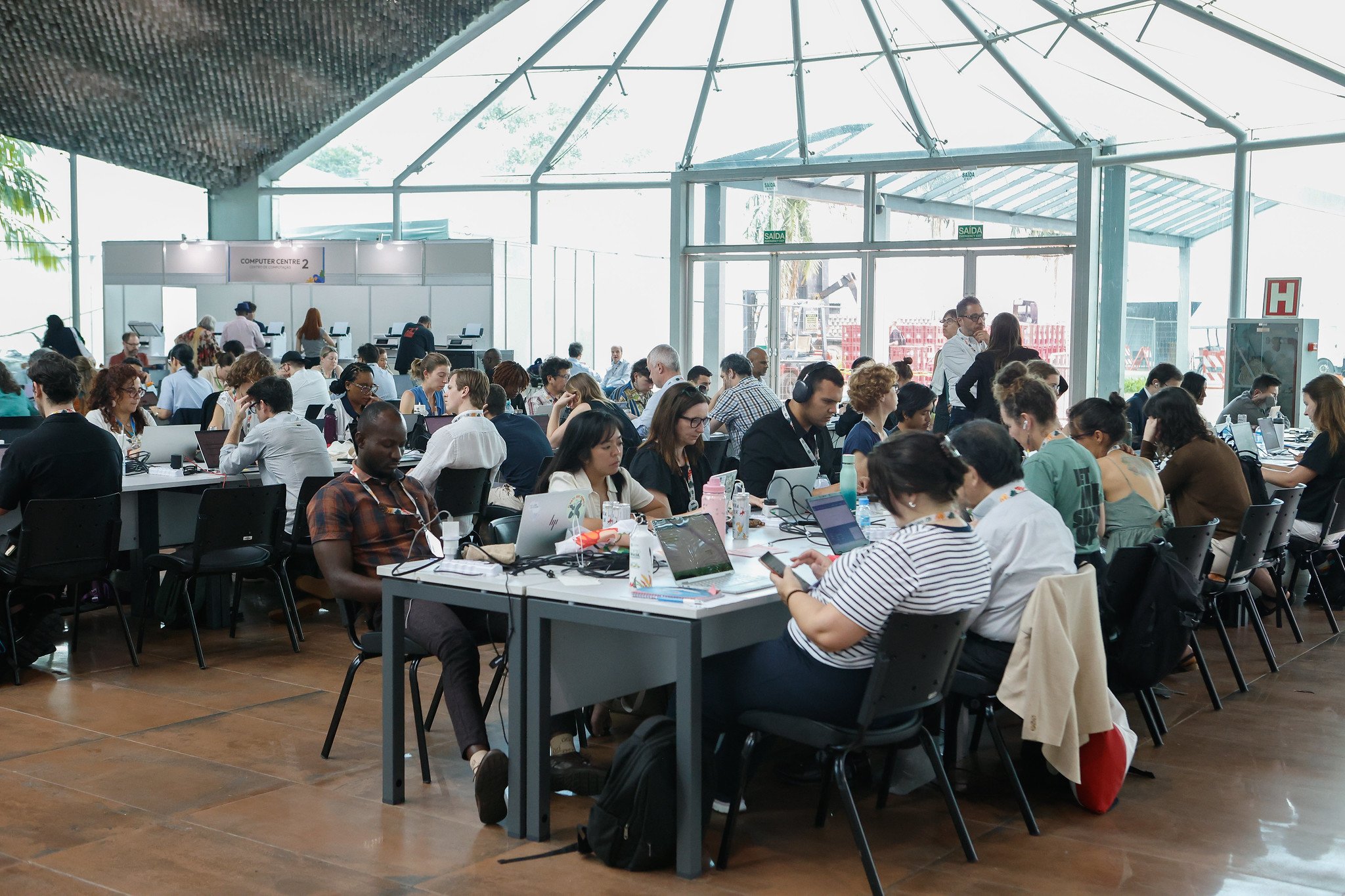
Welcome back to our live coverage from COP 30 in the Amazon! Today, Thursday, November 20, 2025, marks Day 11 of the conference. With only one day left until the official deadline, the conference is entering its final, high-pressure phase. The focus is now entirely on Ministerial-level negotiations and brokering the final political compromises needed to secure the "Belém political package" and deliver a decisive outcome on the fossil fuel roadmap.
Negotiation Bottleneck: Key Issues Stall as the Clock Ticks to Friday
Updated 00:00h – 20/11/25
The final 72 hours of COP30 have descended into a tense waiting game—refreshing screens for the new draft texts ("F5 F5 F5...")—as the negotiation process is stuck in a bottleneck on the highest-stakes issues. While the official scoreboard shows 49 items agreed and 43 items already having draft text, that progress is being overshadowed by the fact that 11 critical items have no agreed text, including the complex procedural matter of "rule 16." Crucially, with only a couple of days left until the official deadline, almost all of the main political breakthroughs—such as the final language on the fossil fuel roadmap and the decision on which country will host next year's COP31 talks—remain unresolved. Compounding the challenge, 18 less urgent items have already been "punted" (deferred) into next year, signaling the sheer volume of work still facing ministers.

Science needs you
Support Make Science Great Again
Get the exclusive cap crafted from 100% recycled cotton and polyester

With your help, we can solve the climate crisis together. We connect you with people, businesses and organizations that needs your comment to improve for the climate. Read more
© 2026 We Don't Have Time – All rights reserved.
We Don’t Have Time is the world’s largest media platform for climate action – with a mission to democratize knowledge about climate solutions and inspire and mobilize global action toward a prosperous, fossil-free future.
The content of the We Don't Have Time social network is user-generated. The We Don’t Have Time organization
does not automatically endorse users’ opinions and claims. All users of We Don’t Have
Time have subscribed to We Don’t Have Time’s Terms of Use, which, among other things, prohibits hateful,
abusive, and violent content. If you discover content that violates our Terms of Use, please notify us
immediately. The platform is operated by the company WeDontHaveTime AB (publ), whose majority shareholder is the WeDontHaveTime Foundation. The Foundation’s principal purpose is to contribute to a reduced climate impact and an ecologically sustainable environment. Our headquarters is located in Stockholm, Sweden.
Please read our Privacy Policy and our Cookie Policy.