The clean energy transition will bring more jobs as new energy projects are constructed and brought online. While many jobs require reskilling the existing workforce, many more will be available to new workers. In the nuclear industry, many positions don’t require advanced degrees, but rather ask for on-the-job training and certifications. With the right training, anyone who wants to work in the clean energy sector can be employed at a nuclear power plant and contribute to the transition.
The energy sector has a profound impact on the job market. Energy generation requires a wide range of competencies, from engineering and maintenance to project management and customer service. These services must be spread out across the country, as energy consumers live in every city, town, and countryside of most countries in the world.
For this reason, the energy transition must account for how it affects people working in the energy sector today. The transition from fossil fuels to cleaner alternatives, such as renewables and nuclear, cannot leave people without jobs. Thankfully, the number of jobs created by clean energy more than outweighs the jobs lost when fossil fuel plants are shut down.
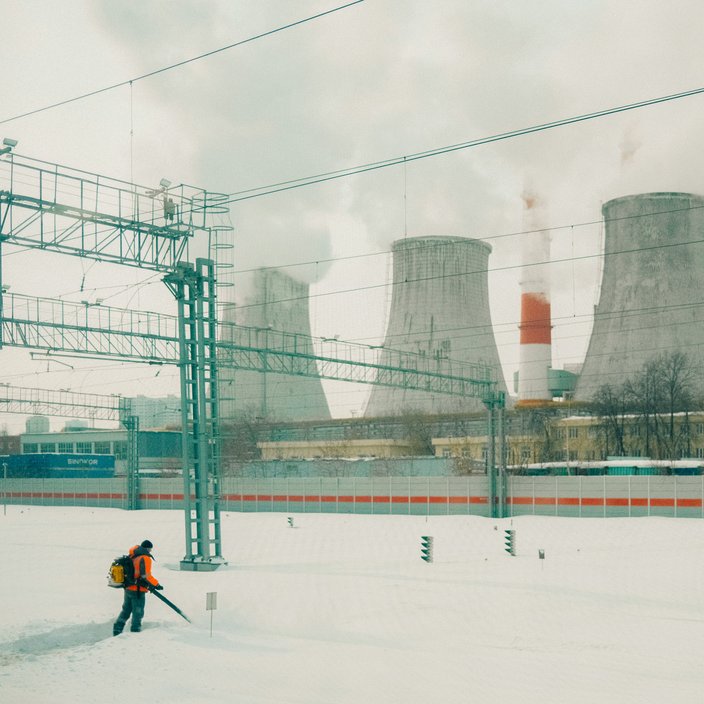
Photo by Сергей Крылов on Unsplash.
Where We Are In The Energy Jobs Transition
The job market in the clean energy industry is growing rapidly. In the U.S., 2023 figures showed that there were 8.4 million jobs in clean energy, and the market grew more than twice as fast as the overall job growth in the U.S.
While some of these new jobs require upskilling or reskilling existing workers, there are plenty of high-paying, long-term opportunities for people who are just starting their careers or have no experience in the field. It’s easier than you might think to start working for a company that reduces emissions!
Operations, Maintenance, and Security: Nuclear Jobs For Anyone
Nuclear, while being a complex technology, introduces several ways to work at a power plant without an advanced degree, even though some require job-specific training as part of the recruitment process. According to the Nuclear Energy Institute, each plant employs between 500 and 800 workers
Nuclear power operators, in charge of operating and controlling nuclear reactors, monitoring their performance, and executing emergency measures if needed, are not always required to have a college degree. While the job requires extensive on-the-job training, and in the U.S. requires passing a licensing exam from the Nuclear Regulatory Commission, this can all be done with a high school diploma in many cases.
Nuclear plant security officer is another title that doesn’t require higher education. This role, focused on protecting facilities, monitoring security systems, and managing access and emergency protocols, can be acquired with a high school diploma after passing specific training and certification activities.
Some more technical roles can require an associate's degree or military experience. This is the case for radiation protection technicians, tasked with monitoring radiation levels and assisting in decontamination; nuclear technicians, responsible for assisting physicists and engineers in research or operations; and maintenance and electrical technicians, who maintain and repair instrumentation and control systems.
Beyond these, there are even more jobs available for those who have a bachelor’s or graduate degree, including the roles of nuclear engineers, health physicists, reactor design analysts, and policy experts. Nuclear jobs typically pay well, ranging from $45,000 yearly for security officers to over $150,000 yearly for policy experts. And because plants can operate for decades, job security is also high. Transferring workers from fossil energy is not only a benefit for the local and global environment, but also a boon for the local economy.
How To Work In Nuclear
So what’s the best way to land a job at your local nuclear power plant? There are a few ways to improve your chances of getting hired by going above and beyond what is required to perform the job.
Most nuclear power plants will look for people with a strong aptitude for STEM subjects, especially maths, physics, and technology, who are willing to work in teams, complete certification programs, and who want to work within the public service sector that clean energy companies fit into.
Participating in nuclear-related education and certification programs is another way to get a leg up on the competition. Many community colleges offer one- or two-year programs in nuclear technology, radiation protection, or power plant operations. It’s also possible to receive required certifications before applying for jobs, including NANTeL Radiation Worker Training, which is mandatory at most sites. Military experience is also highly sought after in nuclear employees.
Finally, apprenticeships or internships help you build connections with local employers. Nuclear utilities can offer paid trainee programs while you learn the job and get your certifications, and unions can also provide apprenticeship programs tied to nuclear plant maintenance.
However you choose to work in clean energy, it is one of the best ways to contribute to the transition from fossil fuels to a sustainable future. Hopefully, this article has helped you to be a part of the energy transition while being paid to do it.