Vinyl vs. Streaming: The Unbeatable Charm of Old Hindi Music
In an age where every song ever recorded seems available at our fingertips, a quiet revolution is taking place. As music streaming services offer unprecedented convenience, a growing number of listeners are returning to the physicality and ritual of vinyl records, particularly for the classic Hindi music of the 1950s through 1970s. This is not merely a trend but a profound shift in how we experience art. The choice between streaming and vinyl for old Hindi music is not about sound quality alone; it is a fundamental difference between listening and experiencing, between accessing a file and connecting with a legacy.
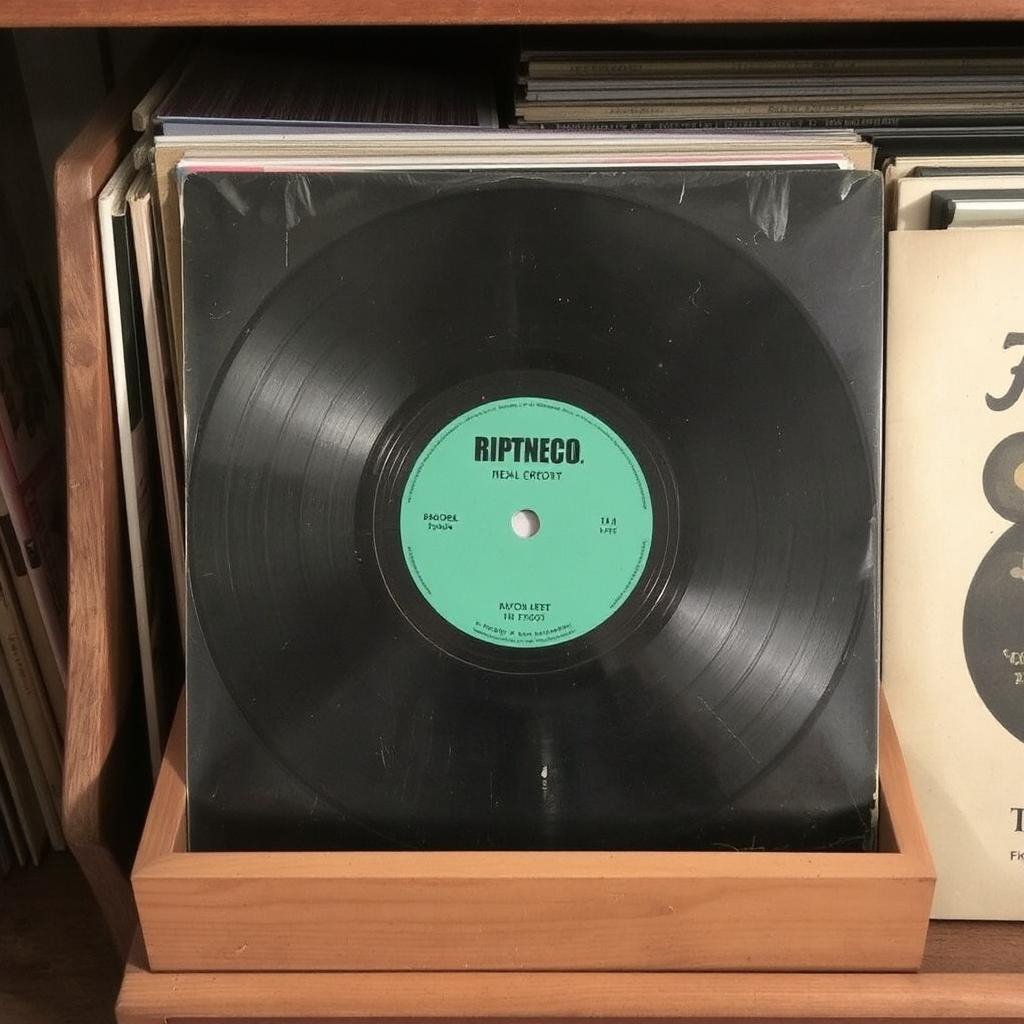
The most immediate distinction lies in the sensory engagement. Streaming is a ghostly affair—a silent, invisible transaction between a server and a device. The music appears and disappears without a trace. Playing a vinyl record, however, is a full-bodied ritual. The careful removal of the disc from its sleeve, the visual inspection of the glossy black surface, the gentle placement on the turntable, and the final act of lowering the needle—this is a deliberate ceremony. It demands participation and respect for the object. The experience begins not when the music starts, but the moment you decide to listen, transforming a passive activity into an active celebration of the music.
Sonically, the difference is equally profound. Streaming relies on digital files, which are mathematical representations of sound. While high-resolution formats are technically superb, they can sometimes present music with a sterile, clinical precision. The sound of vinyl is analog, a continuous physical waveform etched into the grooves of the record. This process naturally captures a warmer, richer tonal quality. For the lush orchestrations of Shankar-Jaikishan or the intricate arrangements of R.D. Burman, vinyl delivers a cohesive and organic sound. The gentle background crackle and pop are not flaws to be eliminated but are part of the texture—a sonic patina that whispers of the record's history and journeys, something that digital silence can never replicate.
This leads to the most crucial distinction: the philosophy of curation versus algorithm. Streaming platforms excel at suggestion. Their algorithms analyze your listening habits to create endless playlists, encouraging a skimming culture where the discovery of a new song is often fleeting. The context of an album—the narrative arc of a film soundtrack, the artistic statement of a composer—is frequently lost. Vinyl, by its very nature, enforces a different approach. You listen to an album from start to finish. You live with the sequence of songs as the artist intended. You cannot skip a track with a casual swipe. This enforced patience allows the listener to appreciate the artistry behind the entire work, from the soaring hit duet to the poignant instrumental interlude, fostering a deeper and more meaningful connection with the music.
Furthermore, vinyl records serve as tangible cultural artifacts. An original HMV pressing of "Mughal-e-Azam" is more than a music carrier; it is a piece of history. The artwork on the cover, the liner notes, the weight of the disc in your hands—all these elements contribute to a sense of ownership that is both personal and profound. You are not leasing a sound file; you are the custodian of a physical object that has survived decades. It has a story that a cloud-based MP3 can never possess. Building a collection becomes a personal museum of your tastes and discoveries, a library of tangible memories.
In conclusion, to choose vinyl for old Hindi music is to choose context over convenience, depth over breadth, and soul over data. Streaming offers a magnificent library, but vinyl offers a sanctuary. It is an antidote to the distracted consumption of the digital age, providing a dedicated space to immerse oneself in the timeless melodies of Lata Mangeshkar, the playful energy of Kishore Kumar, and the genius of the composers who defined an era. In the silent ritual before the needle hits the groove, in the warm sound that fills the room, one finds the unbeatable charm of a bygone era, preserved perfectly in the present.