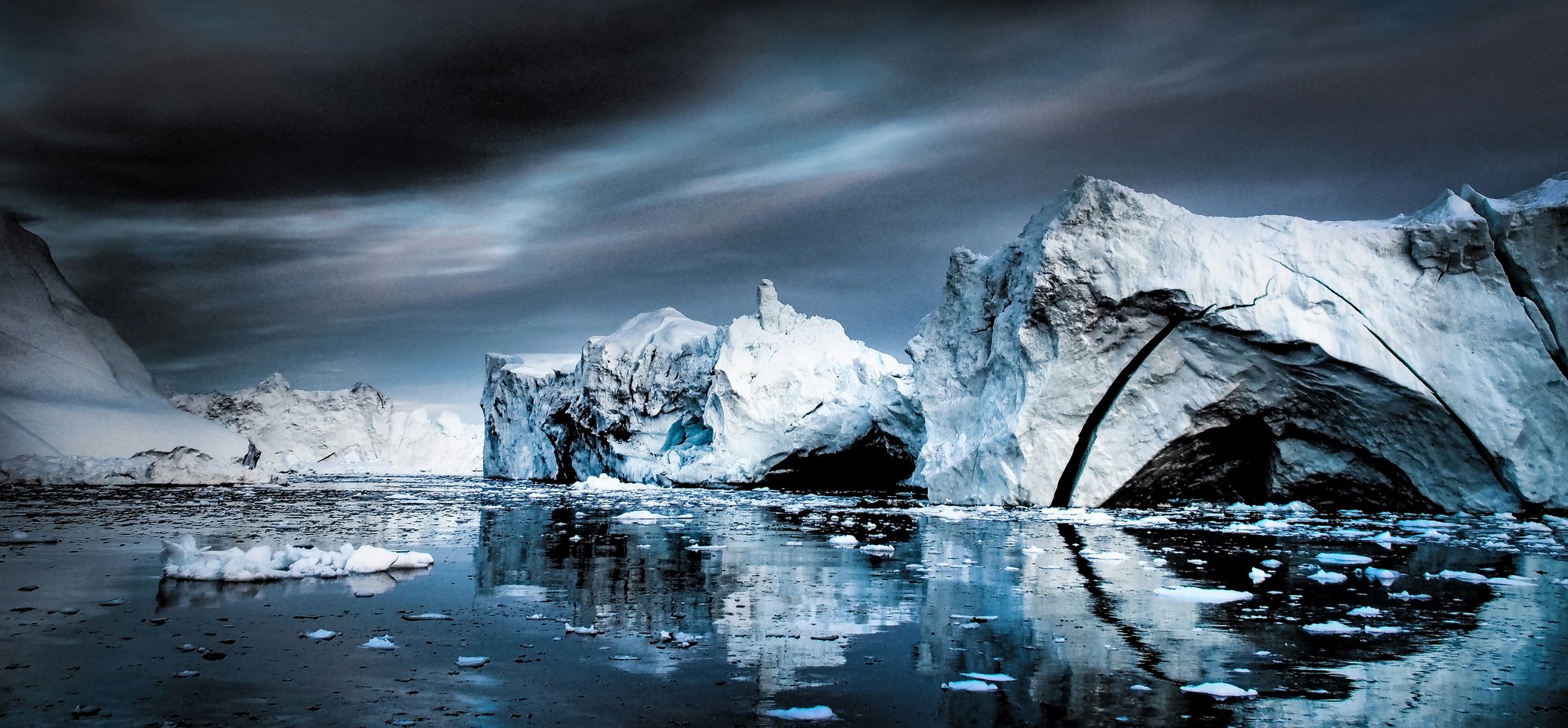
The European Commission is set to maintain its opposition to new oil and gas drilling in the Arctic, according to Euronews.
“Our approach on the moratorium will remain unchanged,” a spokesperson for the European Commission told Euronews.
Three weeks ago, We Don’t Have Time reported on growing concerns that the European Union could reconsider its position on Arctic oil and gas as it prepares to update its Arctic policy. That would have marked a significant shift from the EU’s position in 2021, when it took a clear stand by committing to push for oil, coal and gas to remain in the ground. The EU did so for two reasons. The first was the climate crisis. The 2021 policy described climate change as the most comprehensive threat facing the Arctic and explicitly linked keeping Arctic fossil fuels underground to meeting the Paris Agreement.
The second was the exceptional environmental risk of drilling in the region. The Commission pointed to the difficulty of responding to and cleaning up an industrial or maritime accident under Arctic conditions.
A new geopolitical landscape
But as the European Union prepares to update its Arctic policy in just a few weeks, there have been growing calls for the EU to reconsider its position.
The reason? Geopolitics. Russia’s full-scale invasion of Ukraine transformed Europe’s energy system. As the EU began working to phase out Russian gas, Norway became the bloc’s most important supplier, currently meeting around 30% of the gas demand of the European Union and Britain.
Security concerns in the Arctic have also intensified. The European Commission says its policy now needs to account for increased military activity, economic security, access to resources, new trade routes and a radically different geopolitical environment.
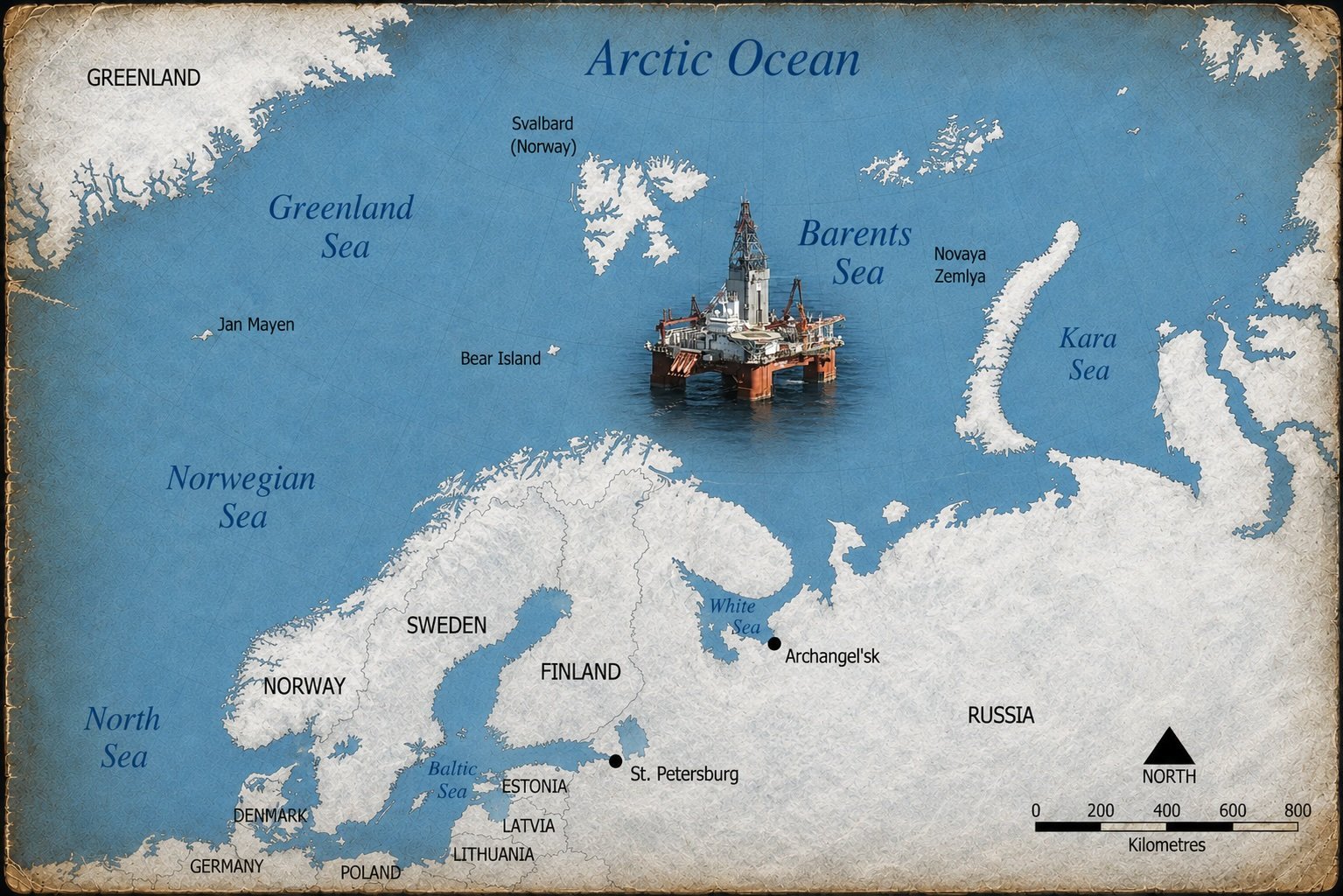
Norway has made up its mind: The oil drilling in the Barents Sea will continue.
Norway, which is not an EU member but is a close ally, has already made up its mind.
Drilling will continue regardless of the EU’s upcoming policy. But Norway has also been lobbying hard for the EU to open the door to oil and gas development in the Barents Sea.
Prime Minister Jonas Gahr Støre travelled to Brussels in June and publicly challenged the EU’s current position, describing its approach to Arctic oil and gas as “misinformed and out of date”.
The Prime Minister’s argument is partly geographic. Much of Norway’s Barents Sea production takes place in waters that are ice-free year-round, unlike some other parts of the Arctic, which Norway argues reduces the risk of oil spills and other environmental impacts. But its strongest argument is now energy security.
Support from the oil industry
The wider European oil and gas industry is pushing in the same direction. IOGP Europe argues that Norwegian Arctic production already contributes significantly to EU energy security and says Norwegian Arctic waters have been operated without a serious oil-and-gas production-related environmental incident for 45 years.
On the other side are environmental groups, researchers — and, interestingly, investors.
In May, a group of 12 Nordic financial institutions, civil-society organisations and scientists urged the EU not to weaken its position. Participants included Nordea Asset Management and KLP, Norway’s largest pension fund. Their argument is that Arctic fields take so long to develop that they offer little help with today’s energy-security problems, while creating long-term climate and financial risks.
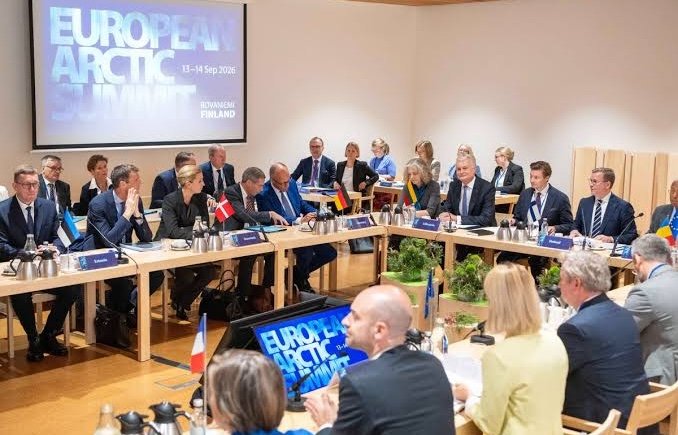
On September 13-14, EU leaders met in Rovaniemi, Finland, for the European Arctic Summit.
The revised version of the EU’s 2021 Arctic strategy is expected to be announced on October 20, as the region gains increasing strategic importance for the bloc’s defence and climate ambitions.
“Moving forward, our approach on the moratorium will remain unchanged: our policies have objectives to address climate change and environmental degradation and support sustainable economic development,” the Commission spokesperson said.
EU leaders emphasized sustainability
Just a few days ago, on September 13-14, EU leaders met in Rovaniemi, Finland, for the European Arctic Summit. Without pre-empting the official update expected in October, European leaders nevertheless made it clear that sustainability must remain a key priority.
In a joint statement, the European leaders said: ”We emphasize that sustainable development and protection of the fragile Arctic environment and ecosystems must remain at the heart of Arctic policies. The transition to clean energy, responsible and sustainable management of natural resources, engagement of Arctic Indigenous Peoples and local communities and investment in sustainable economic activities are essential for ensuring long-term stability and prosperity in the region.” Paal Frisvold, coordinator of the NGO Alliance to Preserve the Moratorium on Oil Drilling in the Arctic, welcomed the Commission’s position, calling it an “important victory” for the climate that could also help curb growing rivalry in the High North.
“It sends an important signal to Norway and the petroleum sector of the EU’s firm commitment to accelerating the transition to a competitive and emission-free Europe in line with the Paris Agreement, with affordable domestic energy that eliminates dependency on imported expensive fossil fuels to the detriment of European households and industry,” Frisvold told Euronews.