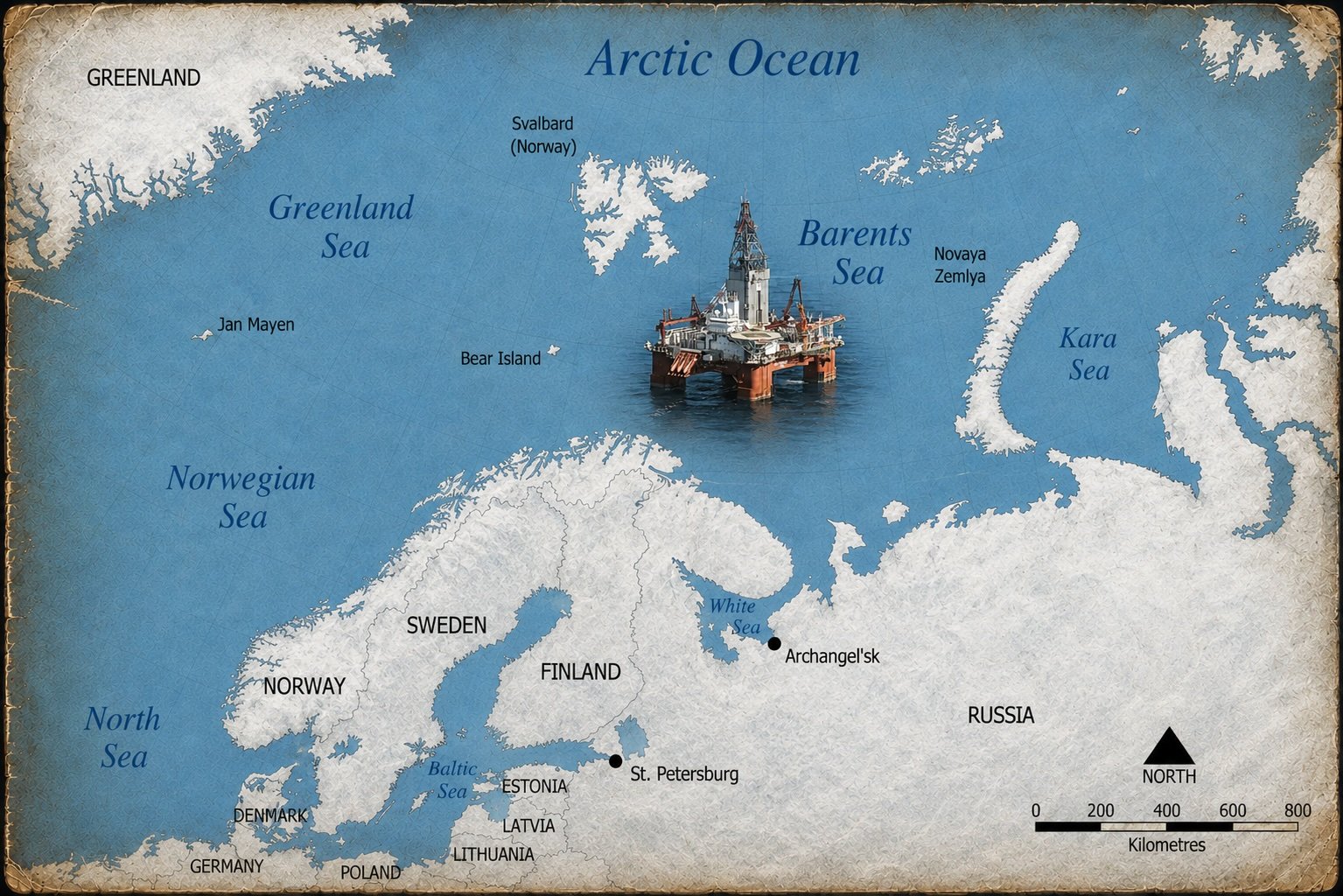
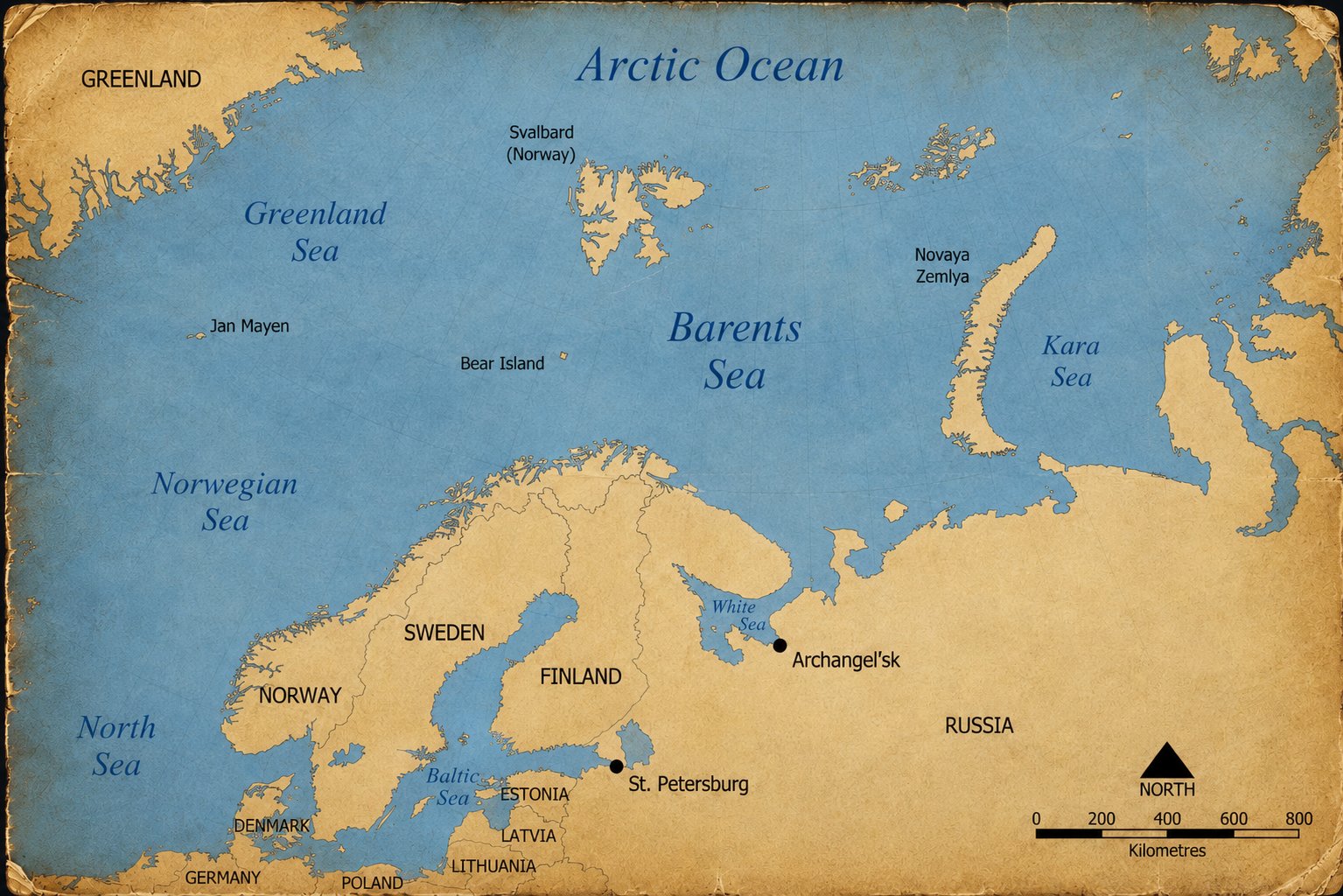
Norway will continue searching for oil and gas in the Barents Sea even if the European Union maintains its opposition to new drilling in the Arctic.
“Continued activity in the Barents Sea benefits both Norwegian and European interests,” Norwegian Energy Minister Terje Aasland told Reuters ahead of an energy conference in Stavanger this week.
From a scientific standpoint, this issue has been long settled. If we are to keep global warming at 1.5 degrees, there is no room for new explorations of fossil fuels. In fact, much of the fossil fuel reserves already developed must also remain in the ground. This has been repeated by the UN Secretary-General António Guterres and the International Energy Agency, IEA, which states that new oil and gas developments “could lock in emissions that push the world over the 1.5 °C threshold.” 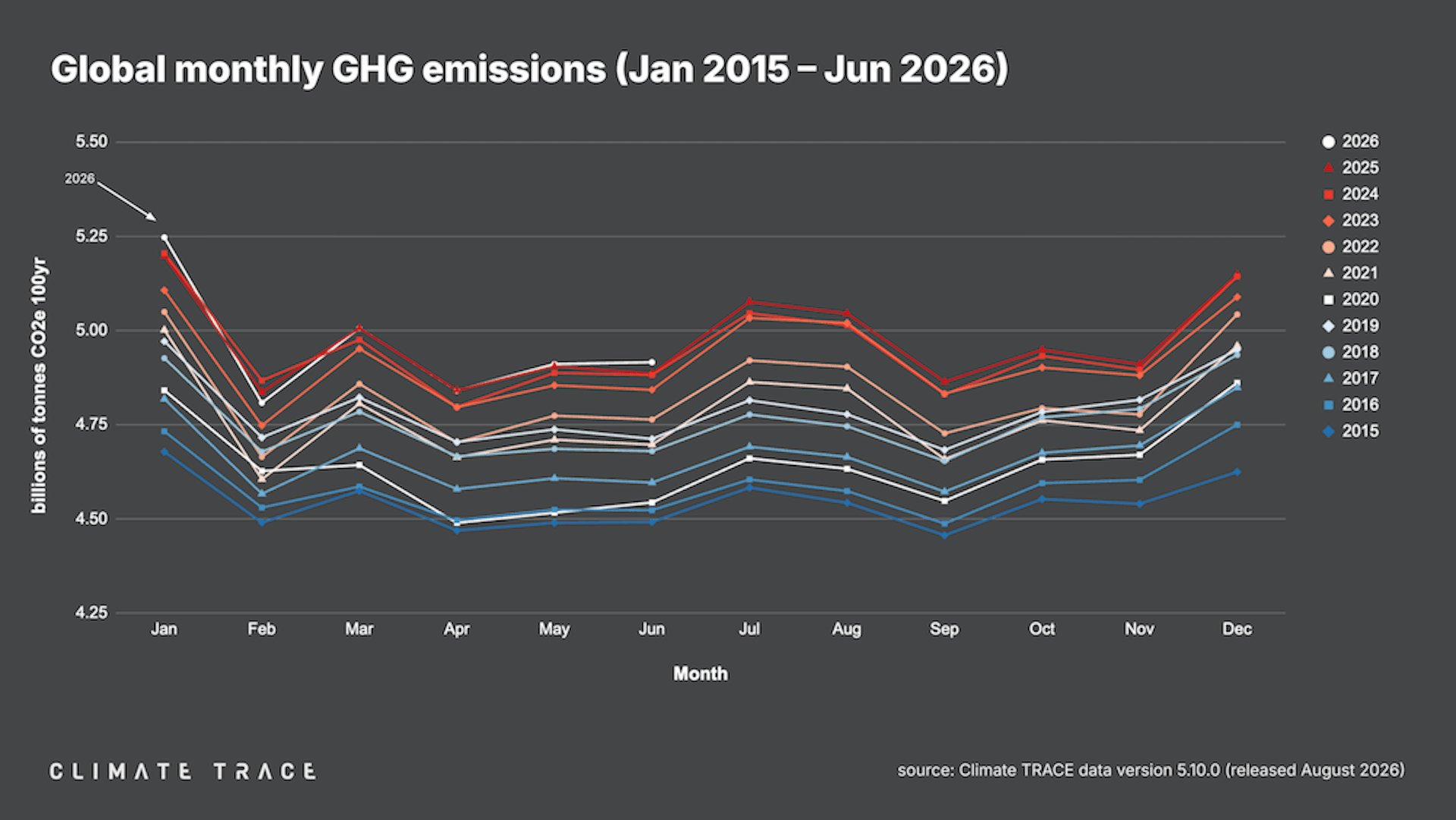
Global greenhouse gas emissions continued to increase in the first half of 2026, according to new data from Climate Trace.
Norway, now Europe's largest supplier of natural gas, plans to maintain high petroleum production until at least 2035. And the Barents Sea is expected to play an increasingly important role as production from older fields declines.
"In today's geopolitical and security environment, and given the resource situation, I believe continued activity in the Barents Sea serves both Norwegian and European interests," Aasland said in a Reuters interview ahead of ONS, Norway's biannual energy conference, which begins in Stavanger on Monday. And while Norway is pressing ahead, something important is about to happen in Brussels.
A clear stand
In 2021, the EU adopted a clear position on Arctic oil and gas. Not only by committing to pushing for oil, coal and gas to remain in the ground, but also by pledging to work with other countries toward a multilateral legal agreement that would prevent further development of Arctic hydrocarbon reserves, and prevent the purchase of oil and gas produced from them. There were two main reasons. The first was the climate crisis. The 2021 policy described climate change as the most comprehensive threat facing the Arctic and explicitly linked keeping Arctic fossil fuels underground to meeting the Paris Agreement.
The second was the exceptional environmental risk of drilling in the region. The Commission pointed to the difficulty of responding to and cleaning up an industrial or maritime accident under Arctic conditions.

Virginijus Sinkevičius, European Commissioner for the Environment, Oceans and Fisheries, presenting the EU’s new Arctic policy (note: it’s not a strategy) on October 13, 2021 in Brussels. Photo: European Commission
Five years later, that position is being reconsidered.
What changed?
Not climate science. But geopolitics.
Russia's full-scale invasion of Ukraine transformed Europe's energy system. And while the EU started working har to phase out Russian gas, Norway became the bloc's most important supplier, currently meeting around 30% of gas demand of both the European Union and Britain. Security concerns in the Arctic have also intensified. The EU Commission says the policy now needs to account for increased military activity, economic security, access to resources, new trade routes and a radically different geopolitical environment.
New policy expected soon
The Commission launched a formal consultation in December 2025, receiving submissions until March. A new Arctic policy is expected in late September, just a few weeks from now. The European Commission and EEAS are jointly preparing it, with the Commission's Directorate-General for Maritime Affairs and Fisheries (DG MARE) taking the lead on the Commission side. The European Parliamentary Research Service (EPRS) says explicitly that ”the update may soften the EU's position on Arctic oil and gas drilling due to persistent concerns over energy security and the need to diversify energy imports amidst Russia's ongoing war on Ukraine and the instability in the Middle East.”
Norway, not an EU member, but a close ally, has already made up its mind:
The drilling will continue, regardless of the EU’s upcoming policy.
That does not mean Norway sees the EU’s upcoming policy update as irrelevant. Quite the opposite: Norway has been lobbying hard for the EU to open the door to oil and gas development in the Barents Sea. Prime Minister Jonas Gahr Støre travelled to Brussels in June and publicly challenged the EU's current position, describing its approach to Arctic oil and gas as “misinformed and out of date”. The Prime Minister’s argument is partly geographic. Much of Norway's Barents Sea production takes place in waters that are ice-free year-round, unlike some other parts of the Arctic, therby less prone to oil spills and other environmental impacts. But its strongest argument is now energy security.
Why, Norway asks, should Europe discourage gas production from a democratic European ally while importing LNG from countries farther away?
Major support from industry
The wider European oil and gas industry is pushing in the same direction. IOGP Europe argues that Norwegian Arctic production already contributes significantly to EU energy security and says Norwegian Arctic waters have been operated without a serious oil-and-gas production-related environmental incident for 45 years. On the other side are environmental groups, researchers — and, interestingly, investors.
In May, a group of 12 Nordic financial institutions, civil-society organisations and scientists urged the EU not to weaken its position. Participants included Nordea Asset Management and KLP, Norway's largest pension fund. Their argument is that Arctic fields take so long to develop that they offer little help with today's energy-security problems, while creating long-term climate and financial risks. A new analysis of the UK’s proposed Rosebank and Jackdaw oil and gas fields seem to support their argument. Researchers estimate that emissions from the two projects could cause at least £170–483 billion in climate damages — 6–17 times the £28.7 billion in economic value they are expected to generate for the UK.
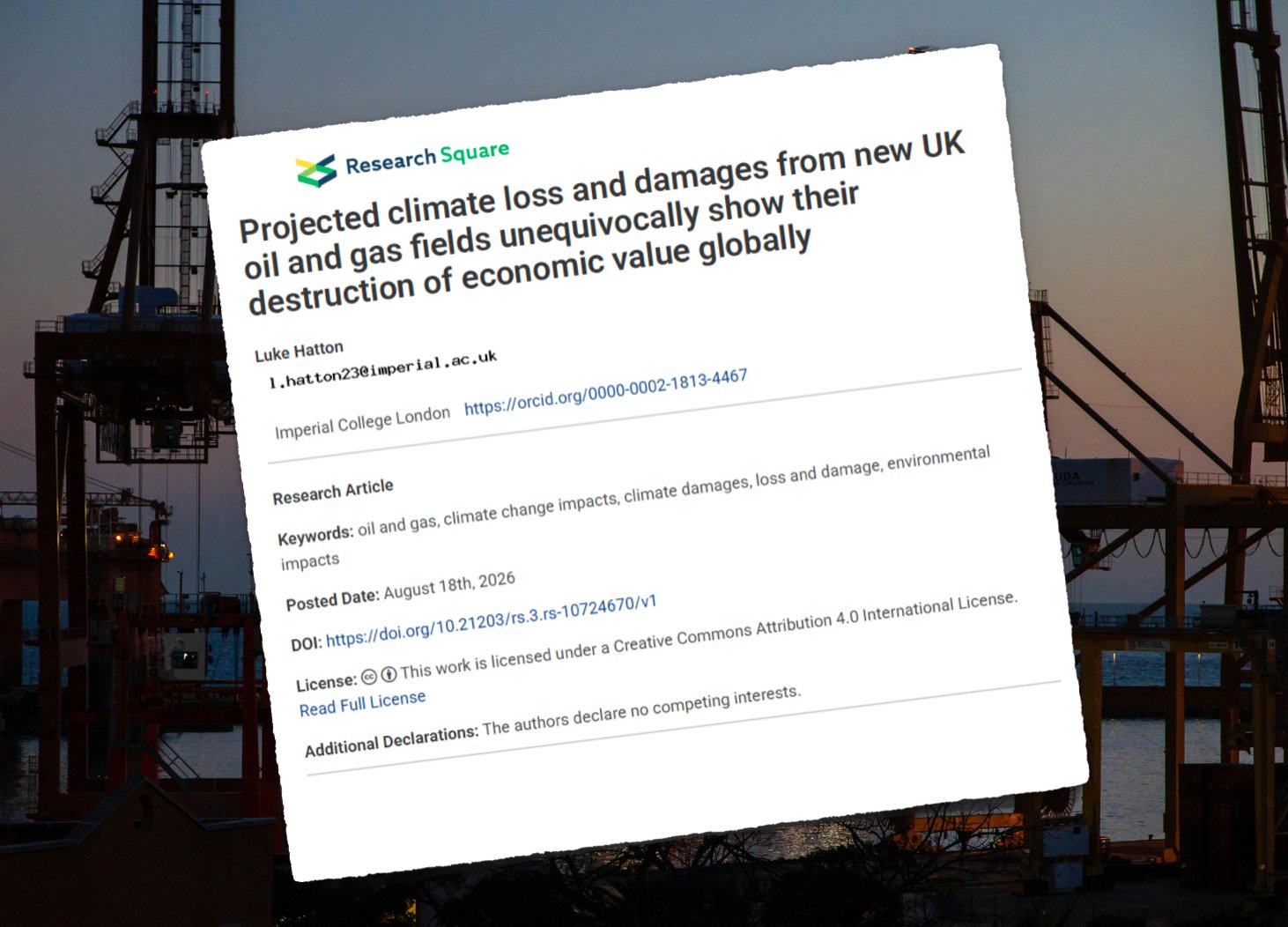
Luke Hatton, PhD Researcher at the Grantham Institute, conducted the analysis on the loss and damage from two new oil fields in the UK.
The International Institute for Sustainable Development, IISD, questions the security argument made by Norway and others. In its formal submission to the EU consultation it argues that greater dependence on Barents Sea oil and gas could create new security vulnerabilities because the sea is shared by Norway and Russia. And there is the physical environment itself. The European Polar Board has urged the EU to keep its Arctic policy firmly grounded in climate science, noting the extraordinary speed of warming and resulting changes to sea ice, permafrost and ecosystems. Finally we have the IEA, which suddenly appears to be arguing both sides of the debate. On the one hand, the agency says that to stay on a 1.5°C trajectory, oil and gas demand must decline so rapidly that no new long-lead-time conventional oil and gas projects are needed.
On the other, IEA Executive Director Fatih Birol is now urging the EU to reconsider its opposition to new Arctic oil and gas development, arguing that future supplies will be needed to safeguard Europe's energy security. Implications of a change of course
So what happens if the EU changes its position?
Well, it doesn’t mean that oil companies will suddenly gain access to previously prohibited European waters. Licensing offshore oil and gas resources remains primarily a matter for the states controlling those waters.
The immediate effect would therefore be political rather than legal.
But that doesn't make it insignificant.
The EU would abandon its effort to establish an international norm against new Arctic hydrocarbon development. Norway would gain important political backing for continued Barents Sea exploration. And the signal to investors and energy companies would change at precisely the moment Norway wants companies to invest in fields that could operate for decades.
Norway's three largest oil producers — Equinor, Aker BP and Vår Energi — this week announced plans to cooperate in searching for larger new discoveries on the Norwegian continental shelf, with around five major exploration wells a year envisaged from 2028. That makes the timing difficult to ignore.