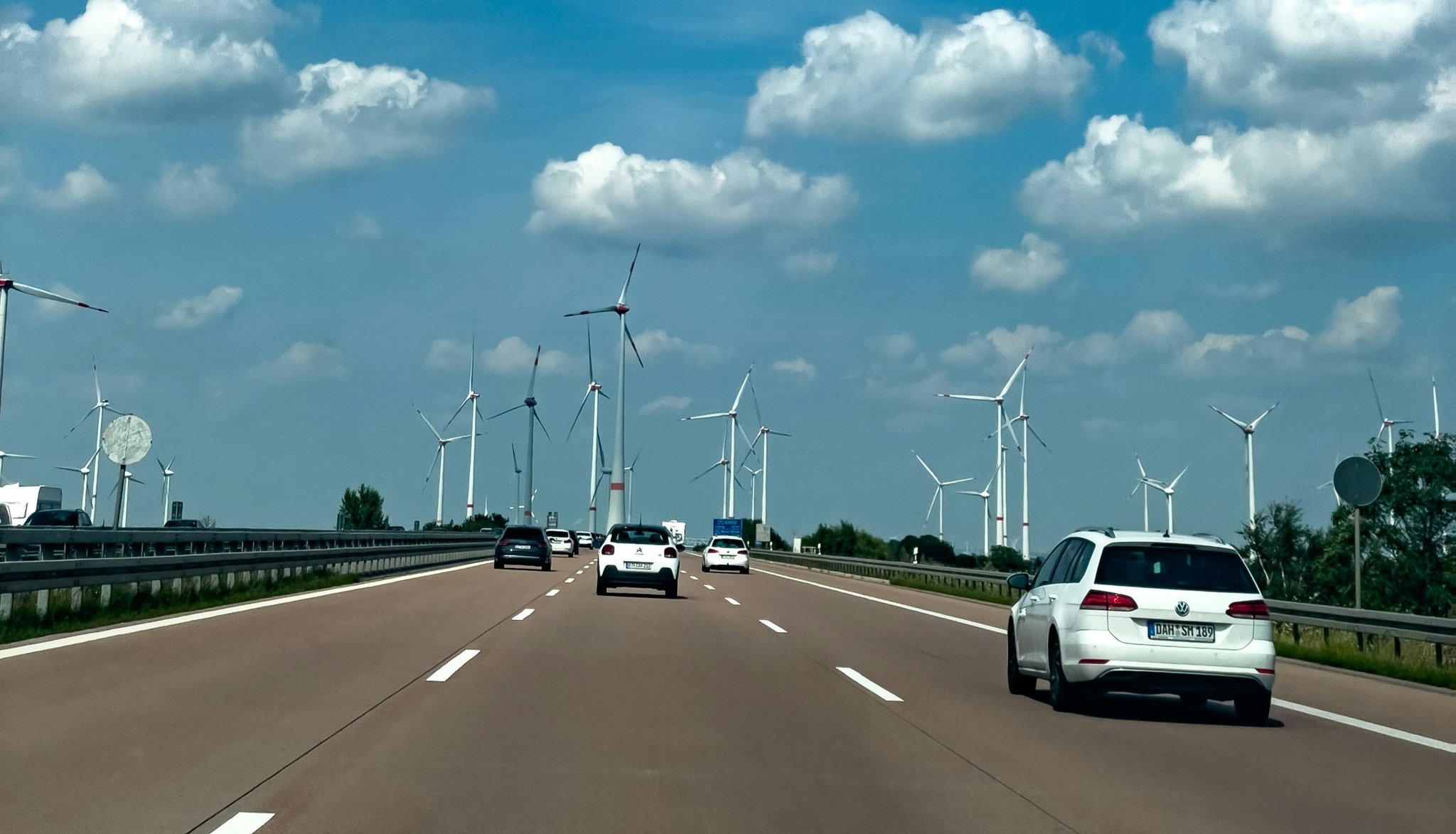
Germany has published a national roadmap for its transition away from fossil fuels, setting out how the country plans to end its dependence on coal, oil and gas by 2045.
Federal Environment Minister Carsten Schneider presented the roadmap at the United Nations in New York on Wednesday, after it was presented to the German cabinet. This makes Germany the third country, after France and the Netherlands, to publish such a plan. The roadmap sets out measures across electricity, transport, heating and industry. Renewable energy currently supplies around 55% of Germany’s gross electricity consumption, with a target of at least 80% by 2030. Germany maintains its existing deadline of 2038 for the coal phase-out, while gas-fired power plants are intended to transition to green hydrogen so that the power system no longer relies on fossil fuels by 2045.
Fossil fuels accounted for 65% of Germany’s energy consumption in 2024, including 36% from oil, 24% from natural gas and 5% from coal. Germany imported 98% of its oil, 95% of its gas and all of its hard coal, at a total cost of €76 billion that year.
The roadmap focuses on expanding renewable electricity and electrifying transport, heating and industrial processes. It includes electric vehicles, heat pumps and industrial electrification as measures to reduce demand for imported oil and gas.
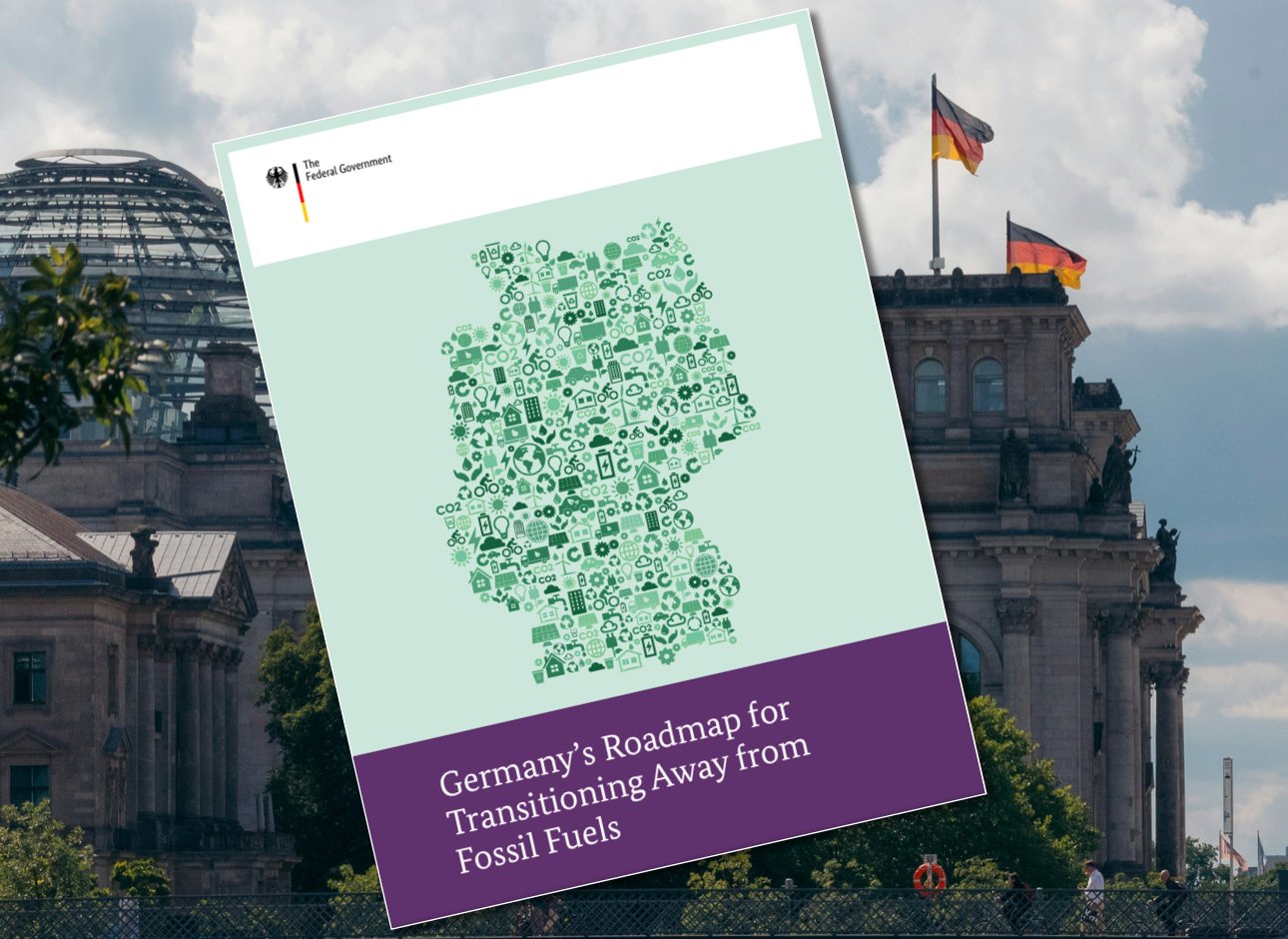
Scroll down to download Germany's brand new roadmap away from fossil fuels.
Former German climate envoy Jennifer Morgan welcomed the publication of a national roadmap but called for faster action.
“Accelerating the shift from coal, oil, and gas to clean renewables will bolster energy independence and insulate consumers from price shocks at a critical moment. However, a roadmap is only the starting line. To truly deliver, this strategy must be backed by a faster, more deliberate, and just phase-out paired with the rollout of green electrification”, she said in a quote gathered by GSCC Network.
Agreement reached at COP28 in Dubai
The plan does not bring forward Germany’s 2038 coal phase-out deadline or introduce new interim phase-down targets for coal, oil and gas.
Laurie van der Burg, Public Finance Lead at Oil Change International, also called for the roadmap to be strengthened.
“If Germany is serious about economic prosperity, energy security and affordability it should end its fossil fuel finance, strengthen its national roadmap, and redirect public money toward a resilient and affordable renewable energy future.”
The roadmap follows the agreement reached at COP28 in Dubai in 2023 to transition away from fossil fuels in energy systems. Germany was also among the countries that took part in the international conference on transitioning away from fossil fuels in Santa Marta, Colombia, in April. The German government says the national roadmap is intended to contribute to that international process and encourages other countries to develop their own plans.