We Don’t Have Time Partners with AfriYouth Care Group for Youth Climate Policy & Advocacy Training. Well climate action is not only about planting trees, building renewable energy projects or reducing emissions. It is also about understanding the policies that shape our communities, knowing how decisions are made, and having the confidence and skills to speak up when those decisions affect our environment and our future.
That is why the first Cohort of the Climate Policy & Advocacy Training, organised by AfriYouth Care Group and supported through a partnership with We Don’t Have Time, was such an important moment for Kenya’s young climate leaders.
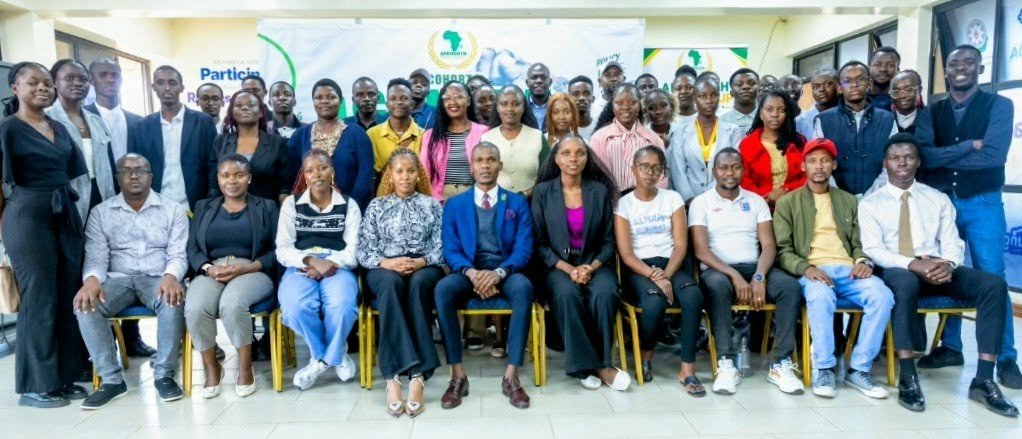
Held at the Kenya Institute of Special Education (KISE) in Nairobi, the training brought young people together to strengthen their understanding of climate policy and, more importantly, learn how to turn that knowledge into meaningful advocacy and action. AfriYouth Care Group describes its work as centred on empowering young people through climate action, policy advocacy, leadership, digital literacy and community initiatives.
The event was officiated by Dr Joyce Kithure, spouse of Kenya's Deputy President, whose public environmental work has included advocating for collective action, community participation and practical climate solutions.
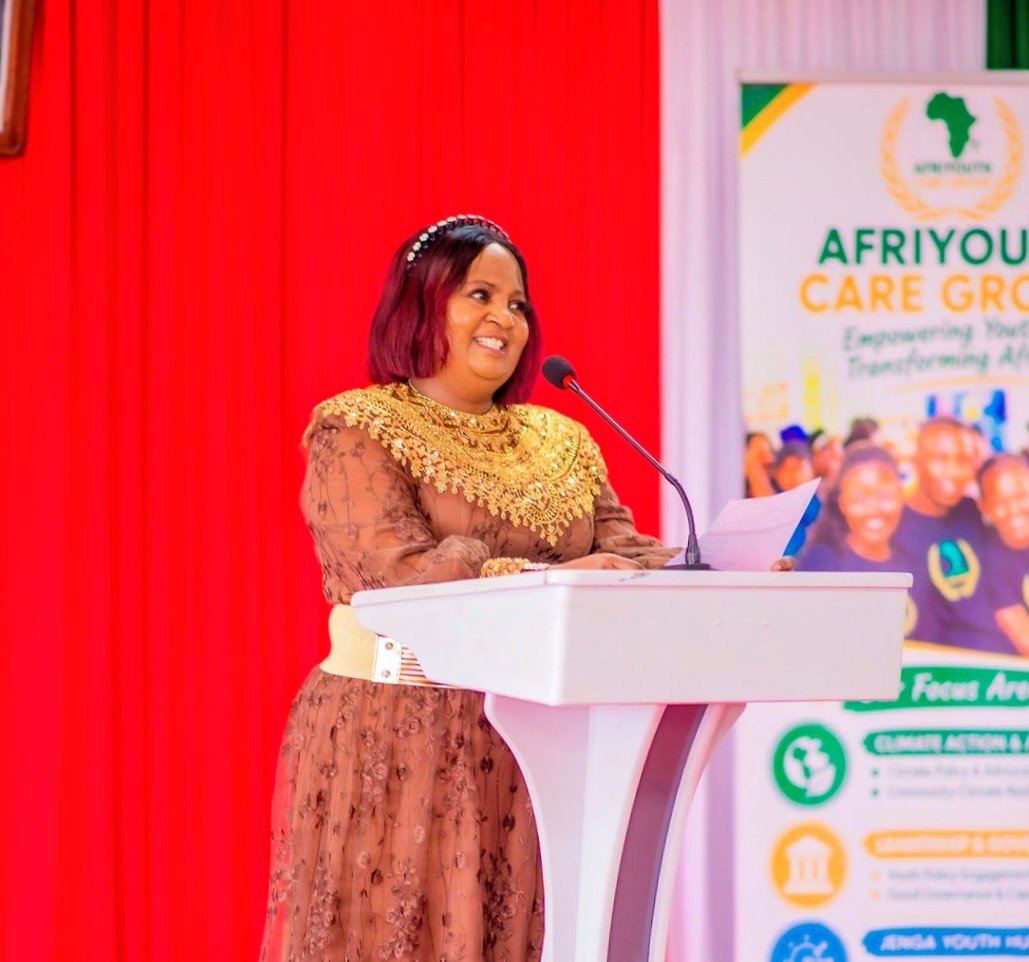
The guest of honured was Dr. Joyce G. N Kithure the spouce of Deputy President of Republic of Kenya.
From knowing about climate change to influencing climate action
One of the biggest challenges facing climate action is not necessarily a lack of concern. Many young people care deeply about the environment, but may not always have the knowledge or practical tools to understand how climate policies are developed, how decision makers can be engaged, or how communities can effectively advocate for change.
This training sought to bridge that gap.
Participants were introduced to the world of climate policy and advocacy, gaining knowledge and practical perspectives that can help them participate more meaningfully in conversations around climate action.
The idea was simple but powerful.
Don't just teach young people about the climate crisis. Equip them to influence the systems that determine how we respond to it. That is where the partnership between AfriYouth Care Group and We Don’t Have Time becomes particularly meaningful. By amplifying climate knowledge and awareness
For We Don't Have Time, climate communication and awareness are central to its mission. The organisation has built a platform focused on bringing climate knowledge, solutions and action into conversations with people around the world.
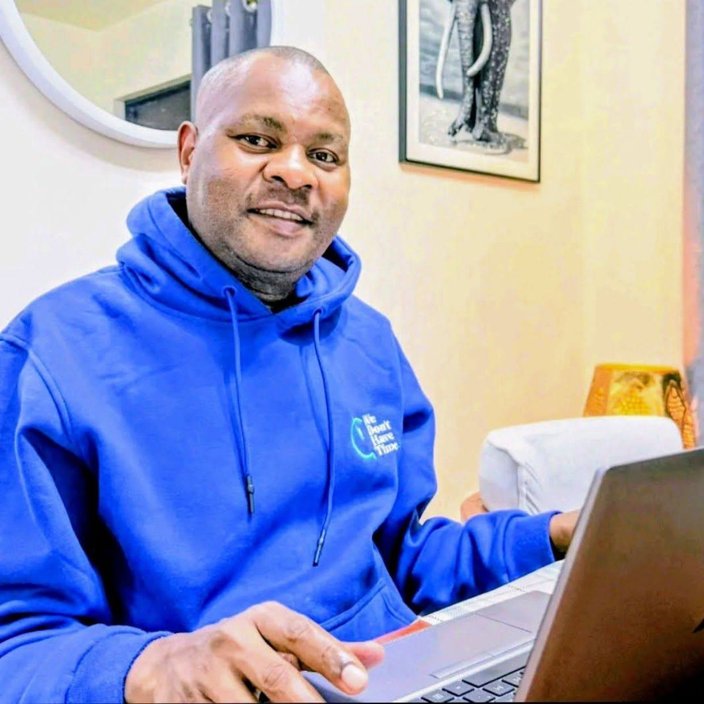
I advocated the power of communication as one of the solution that We Dont Have Time offer in its Platform.
Its involvement in this training reflects an important understanding that climate action needs both knowledge and communication. A brilliant climate policy can have limited impact if communities do not understand it. A powerful climate solution can remain invisible if nobody tells its story. And young people cannot effectively advocate for change if they do not have access to understandable, credible information.
Through its participation and partnership in the training, We Don't Have Time and other partners too contributed to the broader effort to make climate policy and advocacy more accessible to young people.
This is more than simply creating awareness. It is about helping young people understand that their voices matter in the climate conversation. Training trainers creating a ripple effect
Perhaps the most exciting aspect of the initiative was its potential to go far beyond the people sitting in the training room. This was not simply about training a group of young people and ending the programme when participants walked out of the venue.
It was about creating trainers, multipliers and community educators. A young person who gains knowledge about climate policy can take that knowledge back to their organisation and to their communities. They can explain it to another young person. That person can share it with their community. Community members can then better understand the policies affecting their livelihoods, environment and future.
One training can therefore become many conversations.
One trained advocate can become a community educator.
One room can become the starting point for a much larger movement.
This approach mirrors the broader value of youth "cascade" training models, where trained young advocates share their knowledge and skills with others in their communities.
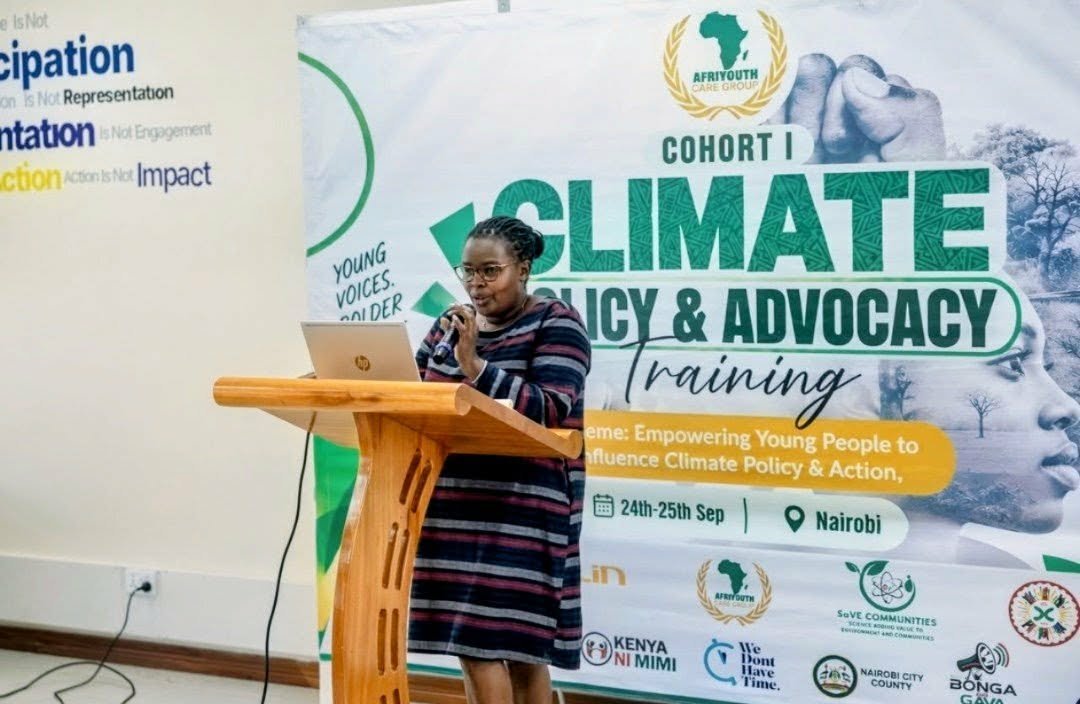
One of the speakers from Unicef, insisted important scores.
UNICEF
Why this matters for Kenya
Kenya's climate challenges are increasingly connected to everyday life and from changing weather patterns and pressure on food systems to environmental degradation, pollution, water challenges and impacts on livelihoods.
At the same time, Kenya has a young population with enormous potential to contribute ideas, innovation and community leadership. Kenya's government has also emphasised the importance of young people moving beyond simply accessing opportunities to actively influencing systems and driving transformation.
Afriyouth points.
That makes climate policy literacy especially important.
Young people should not only be viewed as beneficiaries of climate programmes. They can be researchers, communicators, advocates, innovators, community organisers and policy participants.
They can ask difficult questions.
They can demand accountability.
They can communicate science in ways their communities understand.
They can document what is happening on the ground.
And they can help connect local experiences with national, regional and global climate conversations.
A partnership with a bigger purpose, the collaboration between AfriYouth Care Group and We Don't Have Time demonstrates what can happen when organisations combine their strengths around a shared objective.
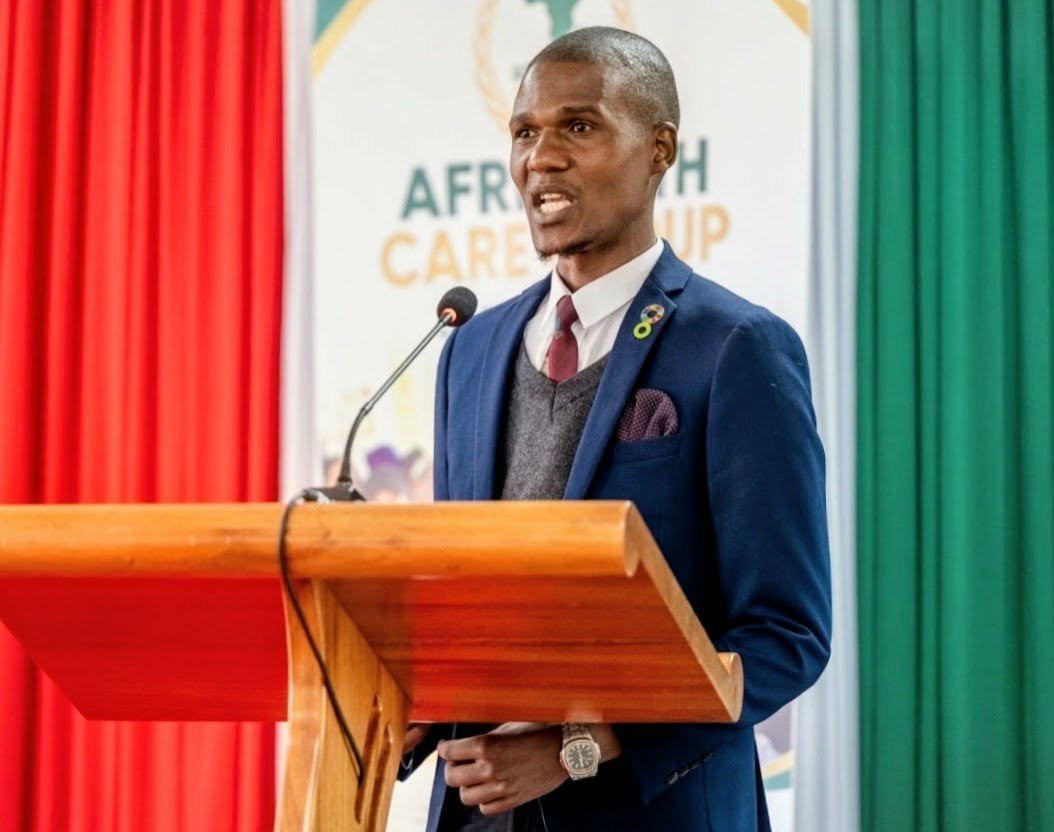
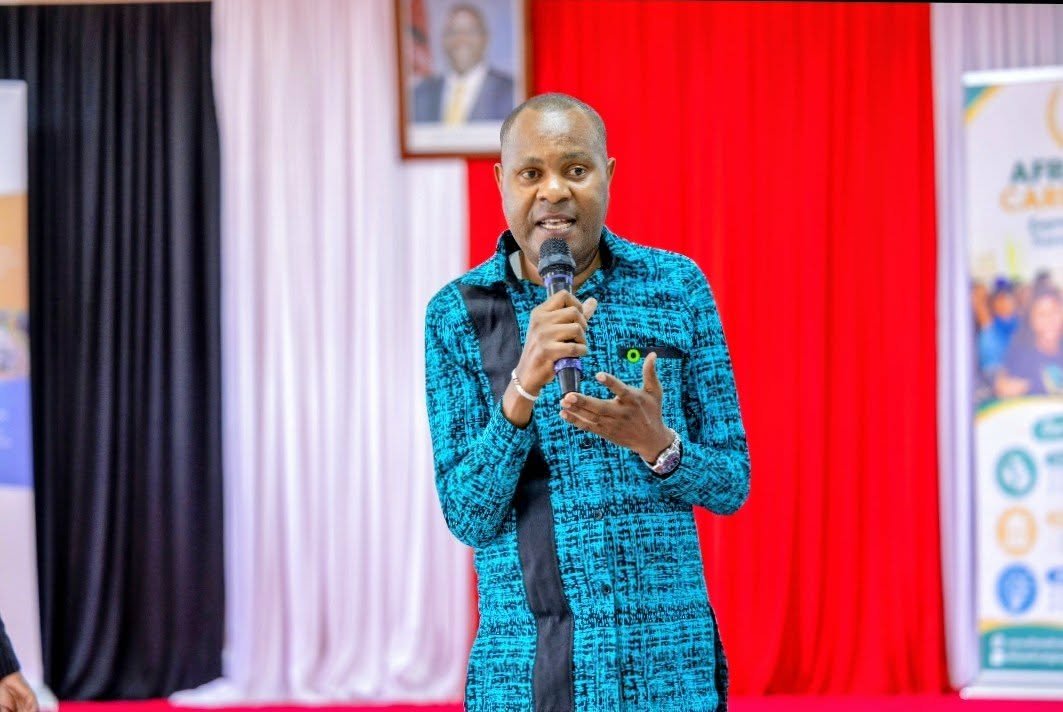
Gorffrey Mokua, the Ceo and founder of Afriyouth giving the key statements to the Audience.
AfriYouth Care Group brings a strong focus on youth empowerment, community engagement and climate action. We Don't Have Time brings a powerful climate communication and awareness platform capable of helping climate knowledge reach wider audiences.
Together, initiatives like this can help close an important gap between climate knowledge and climate action. The training was therefore not simply an event on a calendar.
It was a beginning.
A beginning of conversations.
A beginning of new partnerships.
A beginning of young people gaining the confidence to engage with climate policy.
And, hopefully, the beginning of many more young climate educators taking what they learned into their organisations, schools, communities and networks.
The work continues, the real measure of success will not be the number of people who attended the first cohort. It will be what happens after the training.
Will participants use their new knowledge to engage decision makers?
Will they educate other young people?
Will they help communities understand climate policies?
Will they communicate climate solutions more effectively?
Will they participate in the spaces where decisions about Kenya's climate future are made?
That is where the real impact begins.
For We Don't Have Time, supporting climate policy and advocacy awareness is another way of fulfilling a much bigger purpose, making climate knowledge understandable, accessible and actionable.
And for AfriYouth Care Group, the first cohort represents another step in its work of empowering young people to become informed and active contributors to sustainable development.
The climate crisis requires action, but meaningful action requires knowledge.
When we equip one young person with the knowledge to understand policy, the confidence to advocate and the skills to educate others, we are not just empowering one individual.
We are planting an idea that can travel from person to person, organisation to organisation and community to community.
- And that is what makes this first cohort so important.
The training may have started in one room at KISE, but its real potential lies in where the knowledge goes next.
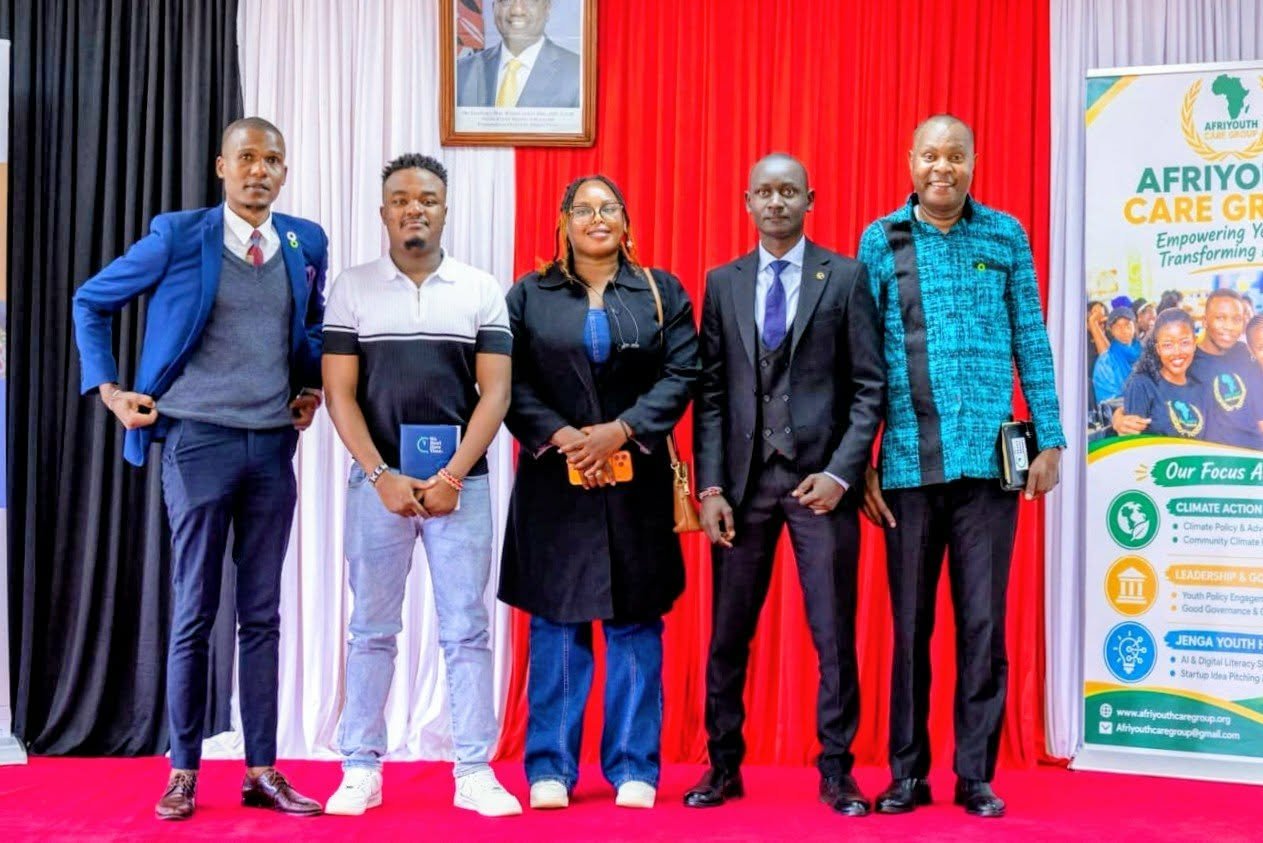
A photo session from some of the partners of the event representing different organisation, but with a similar call of educating our Youths.