Seaweed farming allows us to revolutionize how we think about ocean health, climate mitigation, and food security. Seaweed doesn’t need fertilizer, pesticides, or farmland to grow, and its production has doubled over the last decade, resulting in an annual harvest of over 30 million tons and creating a market worth $11.8 billion. In the fight against the global decline in biodiversity and climate change, the preservation and growth of global seaweed forests are vital since they pack a mighty punch — estimates point to seaweed accounting for nearly 200 million tonnes of CO2 sequestered each year, while providing crucial habitat for marine biodiversity and building up resilience for fish stocks. However, the world’s wild seaweed forests face various challenges, such as pollution, overharvesting, coastal developments, heatwaves, and ocean warming. By safeguarding seaweed forests, we provide support to marine life and the economies of coastal communities. Additionally, we invest in a powerful solution for biodiversity and climate preservation, all while ensuring the conservation of fisheries resources.
WWF is working with organizations, scientists, and local communities on the frontlines of protecting and growing seaweed forests to support their reforestation. One organization that we are particularly proud to work closely with is SeaForester, which is on a mission to “restore the forgotten forests in our ocean.” https://www.youtube.com/watch?v=MEYSbf0sDx0
SeaForester's biodiversity and climate solution is innovative, and we will walk you through how it’s transforming underwater ecosystems.
SeaForester first begins with the seeding of small stones with seaweed spores. After these stones spend time in a nursery on land, where conditions mimic the local aquatic environments, the seeded stones are scattered from a boat into the ocean. There, they continue to grow, forming a new seaweed forest in just a few years.
This process of seeding seaweed spores onto stones, called ‘Green Gravel,’ is a low-cost and scalable solution to reforesting the ocean’s seaweed forests, and it doesn’t need divers or technical equipment.
To maximize the results of their biodiversity and climate solution, SeaForester is also active in educating the broader public and involving coastal communities in their projects. Together with their partners at MARE-IPLeiria, they continue to optimize their solution and make it ready for application to other coastal regions worldwide. Last year, SeaForester was a finalist in The Earthshot Prize, which their nomination focused on reviving the Earth’s oceans. Click here to read more about SeaForester’s profile in The Earthshot Prize competition. WWF is proud to be supporting SeaForester’s work. Supporting two SeaForester projects has allowed us to witness firsthand their transformative influence on the environment and local communities, leaving us with a deep appreciation.

A SeaForester seeded stone deployed off the coast of Peniche, Portugal, in the Berlengas Marine Reserve. (Image credit: João N Franco)
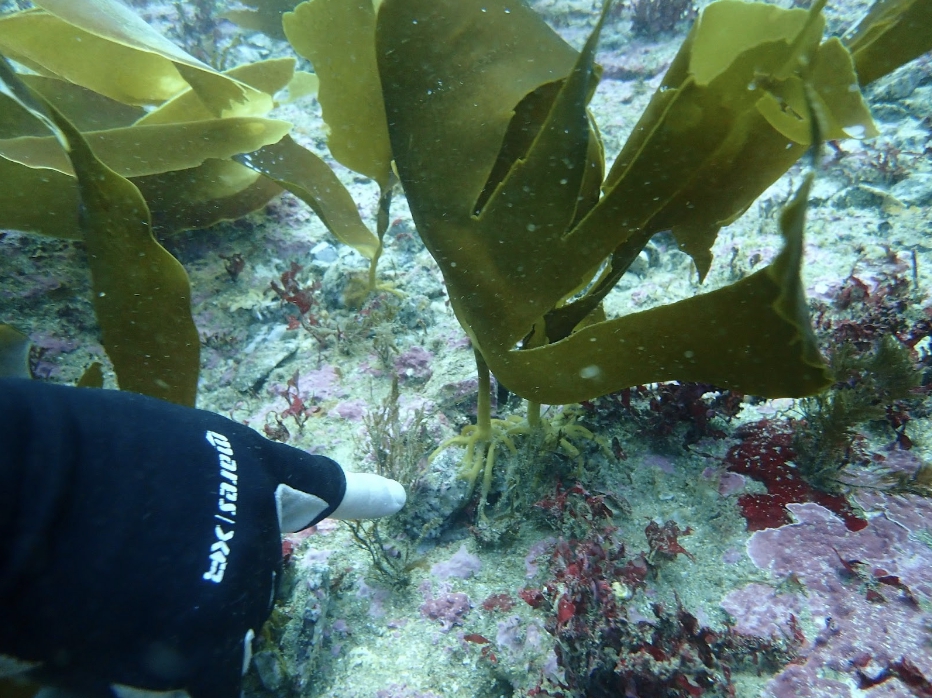
Kelp growing on SeaForester’s seeded stones at a restoration site in Portugal. (Image credits: João Nuno Franco)
As a result of generous support from partners, WWF is investing in innovative companies focusing on scaling seaweed production to meet conservation and societal challenges. To fully capitalize on the economic and climate benefits, they need to be scaled up in a big way.
WWF’s Senior Director of Impact Investing and Ecosystems Services, Aquaculture, Paul Dobbins, came out of retirement to work on this important task of scaling seaweed sectors around the North Atlantic rim and the Eastern Pacific. You can read about Paul Dobbin and his work here. 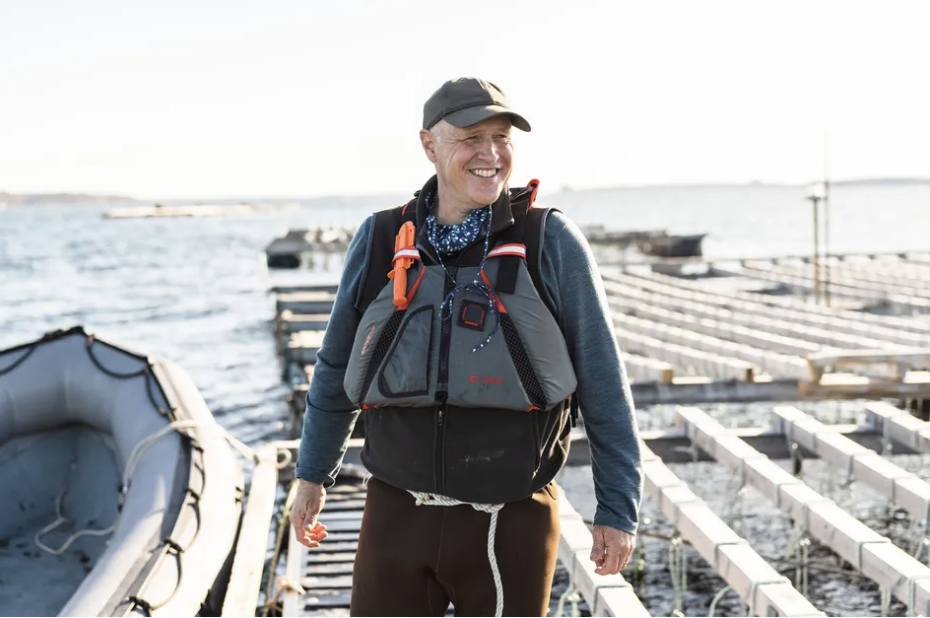
Paul Dobbins, Senior Director of Impact Investing and Ecosystems Services, Aquaculture, WWF. © Yoon S Byun, WWF-US


