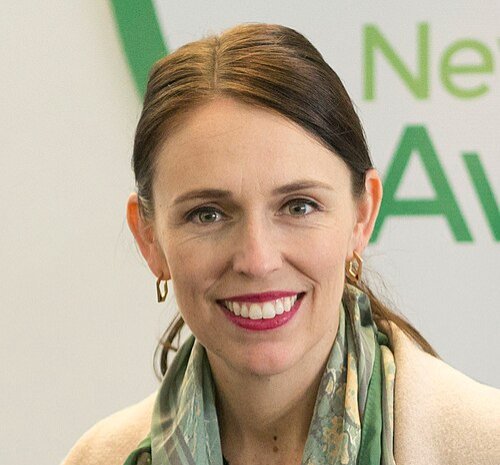
The race for the next Secretary-General of the United Nations has quietly but unmistakably begun. On November 25th, the President of the UN General Assembly and the President of the Security Council issued a letter asking member states to nominate their candidates. The letter notes that in 80 years of UN history, no woman has served at the highest position and, therefore, encourages member states to nominate women.
The choice of who will lead the UN matters arguably more now than at any point since its founding, as the coming years will decide whether the world can still avoid the worst climate impacts. The next UN leader will confront a world marked by geopolitical fragmentation, proliferating conflicts, climate instability, economic uncertainty, and widespread distrust in multilateral institutions.
A System Under Strain
The UN is facing a pivotal moment. From protracted conflicts and renewed great power competition to fast accelerating climate disasters and eroding development gains, the international system is being tested on multiple fronts. Millions are displaced, humanitarian needs are at record highs, and climate pressure is intensifying the breakdown of long standing norms once thought inviolable.
To this multiple crisis is added a liquidity crisis like never before: UN insiders fear that next year the organization may see a drop of more than 30% of its available budget.
Given this state of affairs, many call for a leader capable of restoring trust, modernizing the institution, and driving global climate action at a moment when the UN must prove it is indispensable.
How the Secretary-General Is Chosen
According to the UN Charter, the Secretary-General is appointed by the General Assembly upon the recommendation of the Security Council.
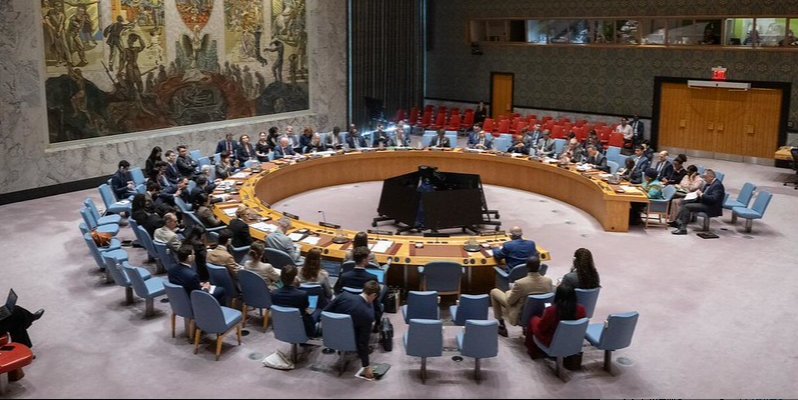
The Security Council decides first. Candidates must secure at least nine votes and avoid a veto from any of the five permanent members (China, France, Russia, the United Kingdom, and the United States). Only after that does the General Assembly vote. Historically, the General Assembly has followed the Council’s recommendation.
Given the fractures within the Council today, reaching consensus on a single candidate will require exceptional diplomatic skill, political neutrality, and a profile that appeals across geopolitical divides.
The Emerging Field of Candidates
A number of high-profile global leaders are being discussed as potential contenders. Among them are:
María Fernanda Espinosa (Ecuador)
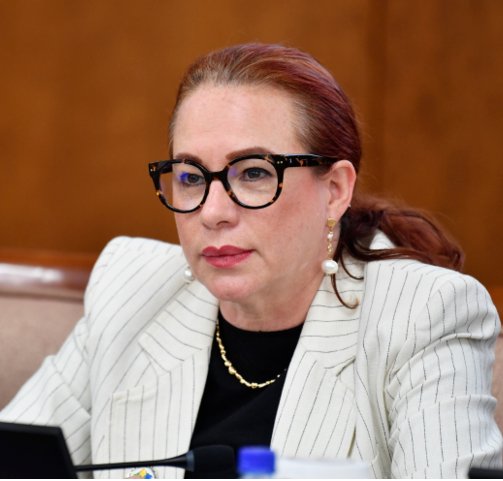
María Fernanda Espinosa brings more than thirty years of senior diplomatic and governmental experience. She has served as President of the UN General Assembly, Ambassador twice, and Foreign and Defence Minister, giving her deep political and multilateral insight without having been part of the UN bureaucracy. This inside–outside positioning appeals to Member States seeking credible reform without disruption. She is respected for her calm, consensus-oriented leadership and has broad support across the Global South. Her main challenge is visibility in Western capitals, particularly the United States. Even so, her neutrality, experience, and reformist approach make her a strong consensus contender.
Rebecca Grynspan (Costa Rica)
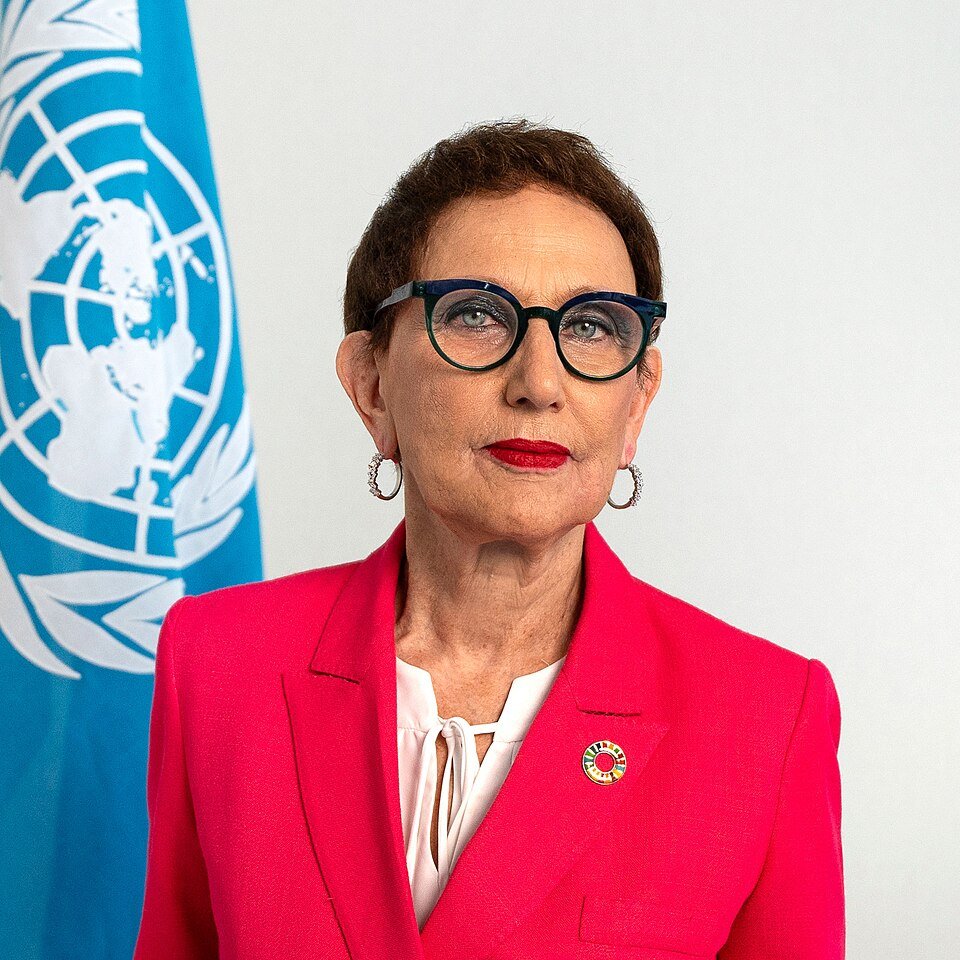
Rebecca Grynspan is widely seen as the candidate of continuity. As Secretary General of UNCTAD and former Vice President of Costa Rica, she has extensive experience in economic development and multilateral processes. Her steady technocratic style appeals to Member States that prioritize predictability. However, her reputation as a system insider limits her appeal at a moment of growing demand for deeper reform. She is respected but seen as incremental rather than transformational. For those who value stability more than bold change, she presents a credible option.
Rafael Grossi (Argentina)
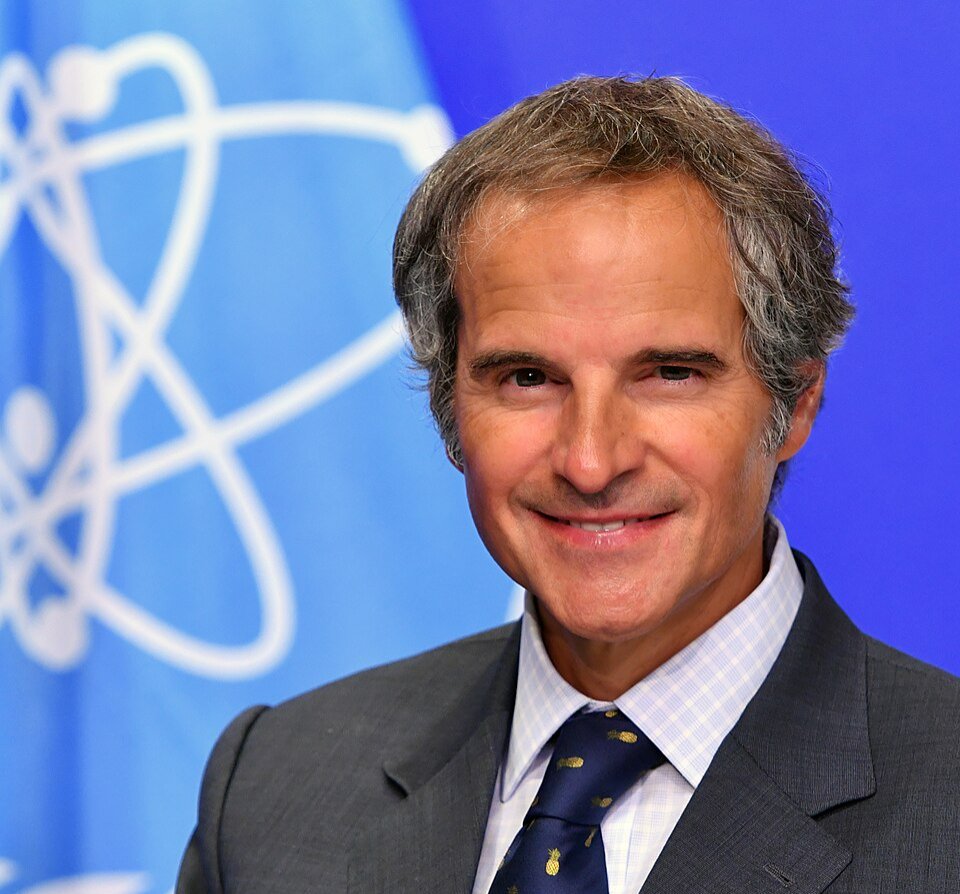
Rafael Grossi, Director General of the IAEA, is a high-profile global figure known for his leadership on nuclear issues from Iran to Ukraine. His decisive style and clear communication appeal to countries that want visible, assertive leadership with strong security expertise. Yet this same visibility raises concerns among some Member States, including China, about his independence and forceful positions on nuclear transparency. His security-heavy background may also prompt questions about his breadth across development, climate, and humanitarian work. He is a serious but polarizing contender.
Michelle Bachelet (Chile)
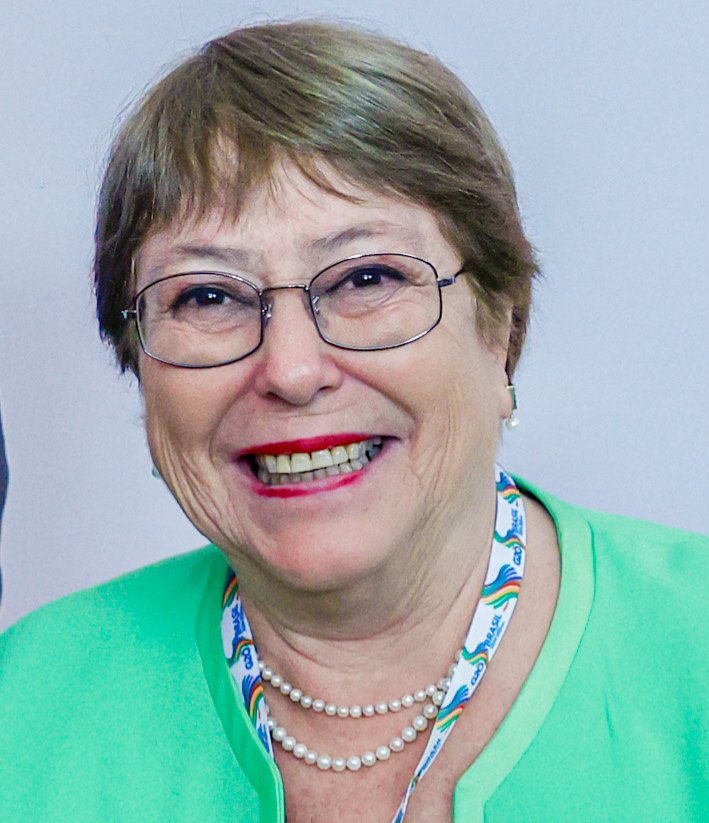
Michelle Bachelet brings exceptional moral authority as a former President of Chile and former UN High Commissioner for Human Rights. She is globally respected for her integrity, judgment, and commitment to gender equality. However, her tenure as High Commissioner was marked by politically sensitive disputes with both the United States and China, especially over the Xinjiang report. These tensions significantly weaken her prospects in the Security Council. She is admired but considered too politically contentious for a role that requires broad major-power acceptance.
Mia Mottley (Barbados)
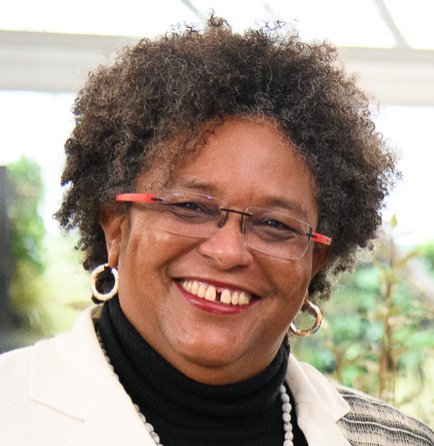
Mia Mottley is one of the most influential voices on climate justice, debt reform, and global economic fairness. Her leadership through the Bridgetown Initiative has energized small island states and many countries in Africa and Latin America. She represents bold, inspiring political vision. Yet her transformative agenda alarms some major financial actors, and her limited multilateral experience may concern Member States that expect a more traditional UN profile. Her outspoken style is powerful but may face resistance in the Security Council.
Amina Mohammed (Nigeria)
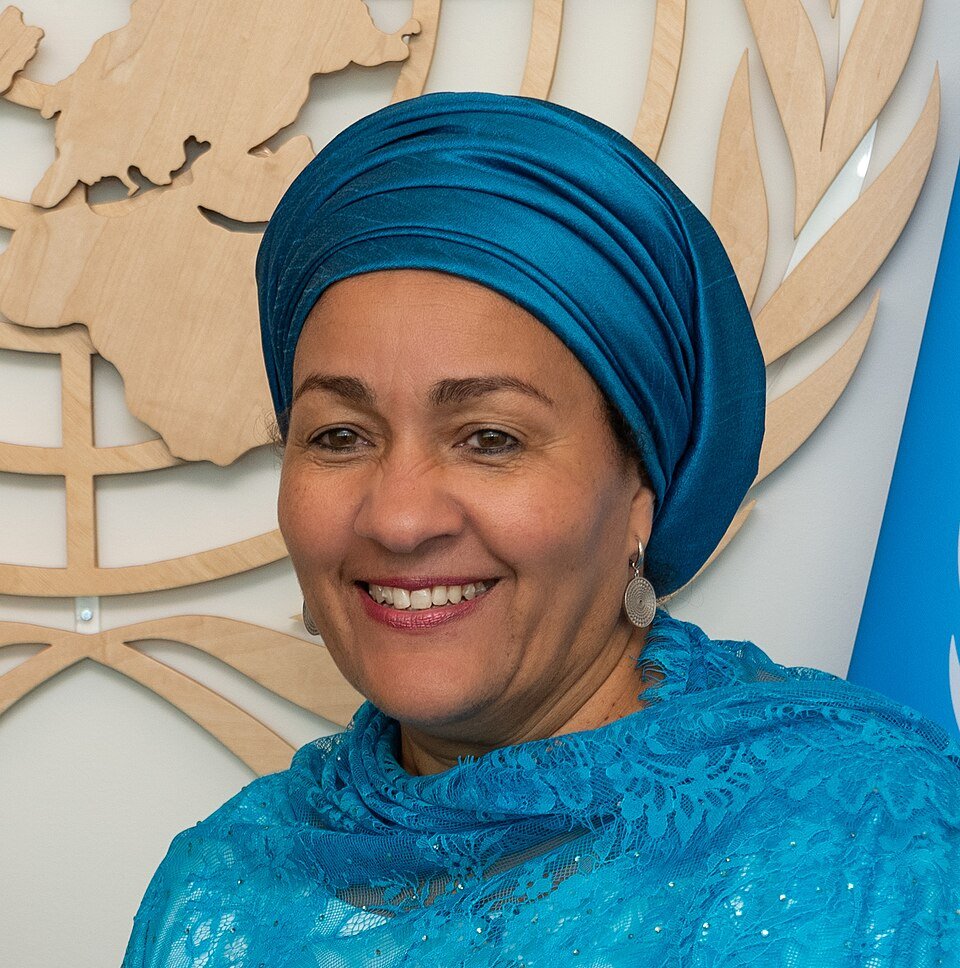
Amina Mohammed, the current Deputy Secretary-General, is among the most experienced UN leaders. She helped create the Sustainable Development Goals and has been central to UN development reform. Her institutional knowledge and administrative skill are widely respected. Her main drawback is her closeness to the outgoing Secretary-General at a time when many want a shift in leadership style. Her insider status may also limit appeal for those seeking a more independent figure. She is highly capable but may struggle to be seen as a departure from the status quo.
Jacinda Ardern (New Zealand)
Jacinda Ardern is globally admired for her empathetic leadership, especially after the Christchurch attacks and during the pandemic. She embodies compassionate, communicative, values-driven governance and would energize public engagement with the UN. However, she has limited experience in multilateral diplomacy or security affairs. China and Russia may view her as too aligned with Western perspectives, and some Member States may consider her too young or not seasoned enough for the UN’s top diplomatic role. Her popularity is significant but does not fully offset her limited multilateral background.
A Defining Choice for the Future
The next Secretary-General will inherit an institution in flux. The UN must respond to renewed great-power tension, escalating climate threats, widening inequalities, and the erosion of multilateral trust. The global community will be looking for a leader who can modernize the UN, bridge political divides, and restore a sense of shared purpose.
This selection is more than an appointment. It is a judgment about what kind of leadership the world needs as the window to avert the worst climate impacts rapidly narrows.