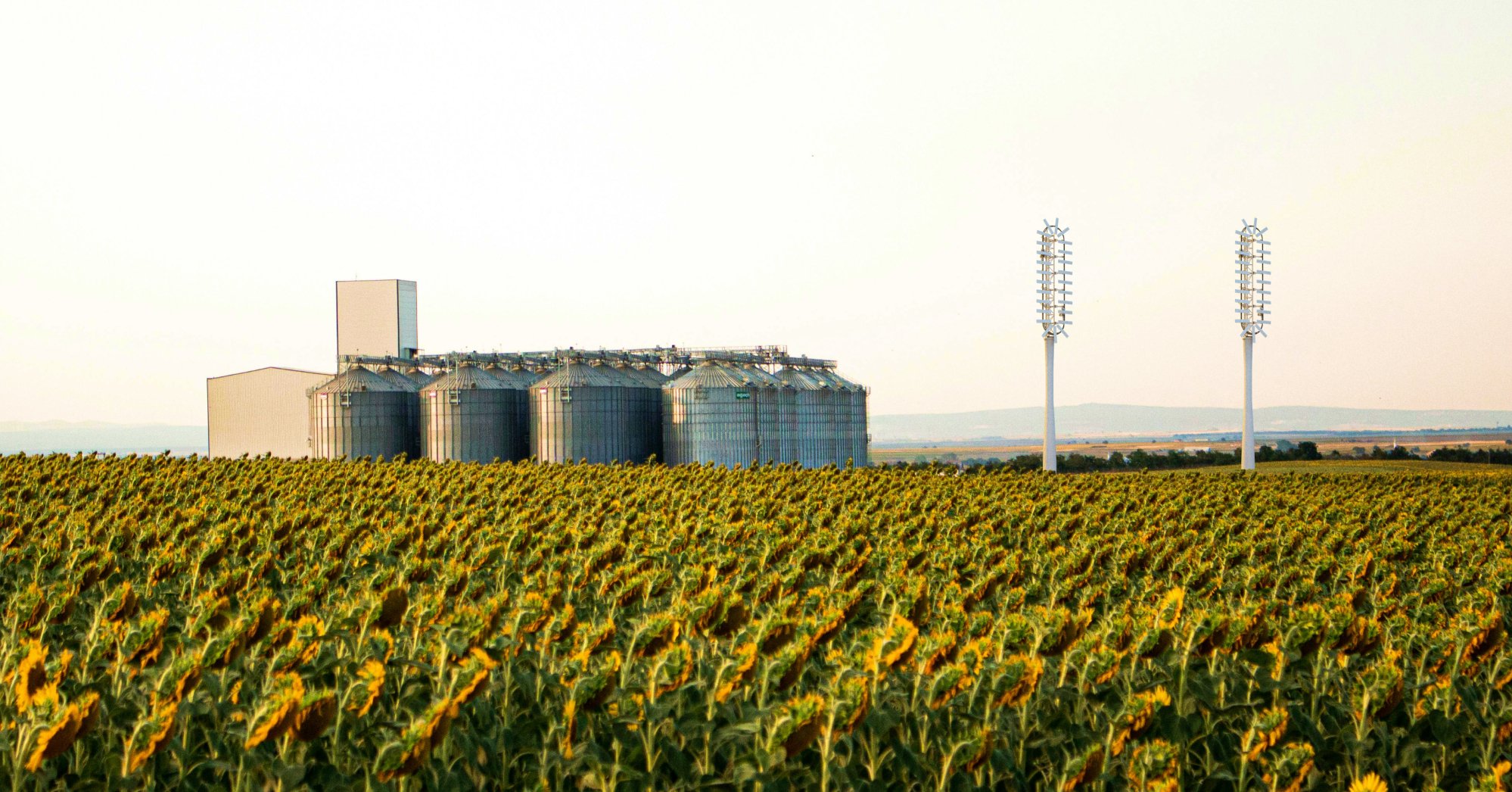
Near a city in Ukraine, a novel turbine is set to grace the skyline next to a processing plant owned by the multinational pet food company Kormotech. It is part of a pilot, scheduled to start inn early October 2026, that may transform the viability of wind power in suburban settings.
The wind turbine, designed by Ukrainian firm Sirocco Energy, looks and sounds very different from the wind machines now familiar to many in rural and offshore locations. Gone are the classic aerospace-style blades. The linear-style frame is elliptical, carrying many small blades that lift up and turn the rotor in response to wind speeds of 5 or more meters per second. Taras Vodyanyy, CEO and Co-Founder of the company, says suburban environment presents special challenges while affording special opportunities.
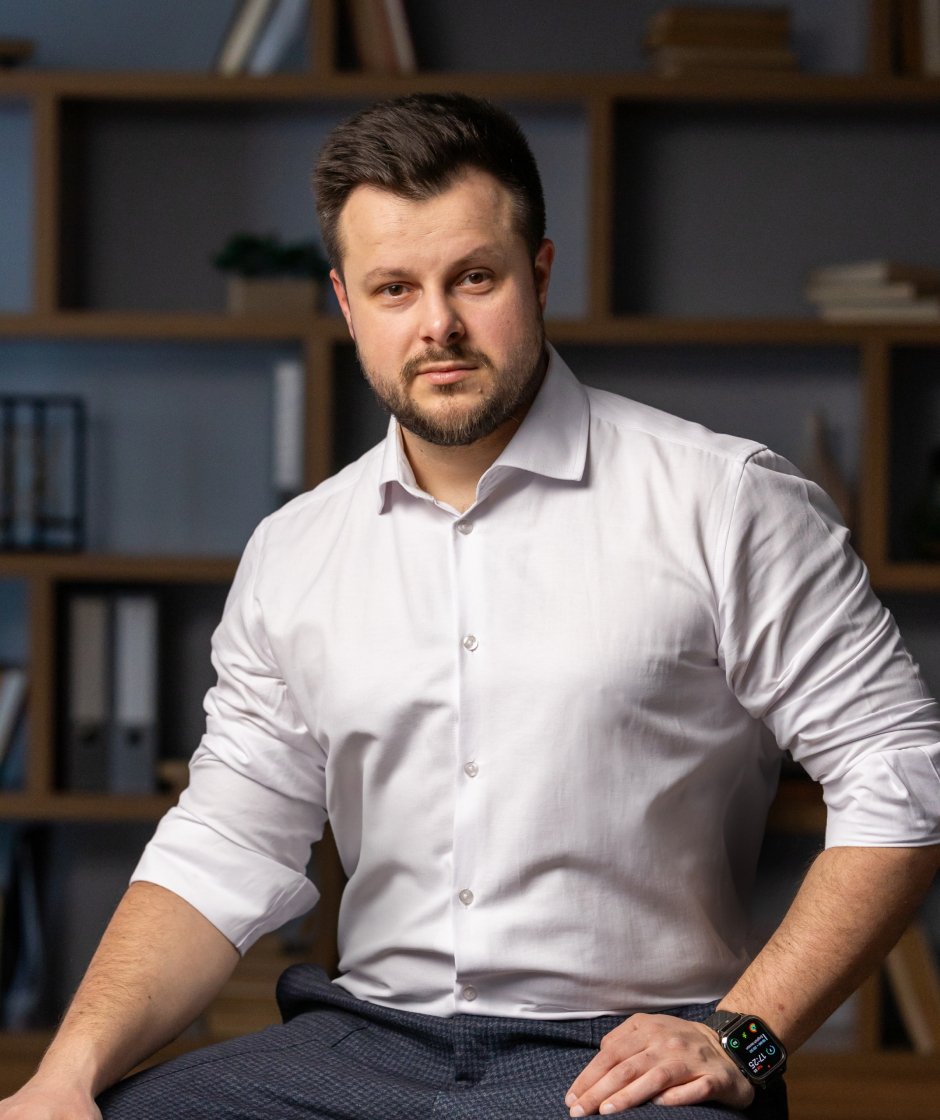
Taras Vodyanyy, CEO and Co-Founder of Sirocco Energy
Lower than average wind speeds, when compared with high elevation rural settings or offshore locations, is just one issue.
The other is noise. The whooshing sounds of aerospace-style blades and associated vibrations may be mostly irrelevant in remote locations. But can prove irritating to people in suburbs living or working nearby.
The Sirocco Energy turbine emits an estimated 41 decibels at a distance of just 50 metres it is claimed. That is similar to the hum made by a household fridge.
Mr Vodyanyy, whose company have had backing from the European Bank for Reconstruction and Development, also points to space constraints in suburban areas.
“Conventional wind machines require more land because of the way the turbines operate. Depending on how many turbines we deploy, our design requires 3 to 10 times less land for the same amount of electricity—that is because the turbine’s shape is elongated upwards, allowing them to be placed more densely and thus closer to one another,” he said.
The company also claims their turbines and mountings require more modest and less costly foundations. Unlike conventional designs theirs uses a direct drive rather than more expensive gearing systems.
The blades are also manufactured from aluminum. That should make them easier and cheaper to recycle versus the glass fibers and epoxy materials used in big, conventional blades.
Christoph Zipf, a spokesperson with Wind Europe said that over the years there have been many creative designs to harvest the wind in suburban and urban settings ranging from vertical axis designs, bladeless wind turbines, roadside wind turbines up to wind turbine trees. He said however that it was unlikely that such designs could substitute for the conventional, large wind power projects that are meeting both the needs of many European households and increasingly heavy industry.
Mr Zipf however praised the creativity of Sirocco Energy: “Ukraine is a different case. The energy system is under constant shelling, and electricity supply is not a given at all times”.
“Here, these kinds of wind farm concepts might serve as a brilliant complement to the more centralized wind and solar plants –- which are already helping Ukraine keep the lights on and be less dependent on Russian fossil fuel and electricity imports. In a warzone, any electricity that reaches consumers counts,” he added.
Mr Vodyanyy, said they were not seeking to compete with massive conventional wind farms—on the contrary. Sirocco’s aim is to expand the zones where it is possible and economically viable to use wind as a local source of clean energy.
“This is where you find many businesses and industries including increasingly energy- hungry data centers. Our plan is to become part of these companies’ energy mix, supplying them directly with renewable electricity as one component of their overall energy solution, he said.
Ihor Paraniak, Chief Operating Officer at Kormotech, said they were looking forward to the trials. " Solar power facilities are already operating at our production sites. In the context of Russia's full-scale invasion and the vulnerability of Ukraine's energy infrastructure, green technologies provide not only environmental benefits but also greater stability and energy independence--testing this 30 kW wind turbine is an important step in exploring additional decentralized energy solutions for our manufacturing facilities,” he added.
Note: This article is based on an article first published in Climate Table, part of Table Media, published in Germany on 27 August 2026