The Addis Climate Awakening: How Africa is Rewriting the Rules of Global Climate Leadership
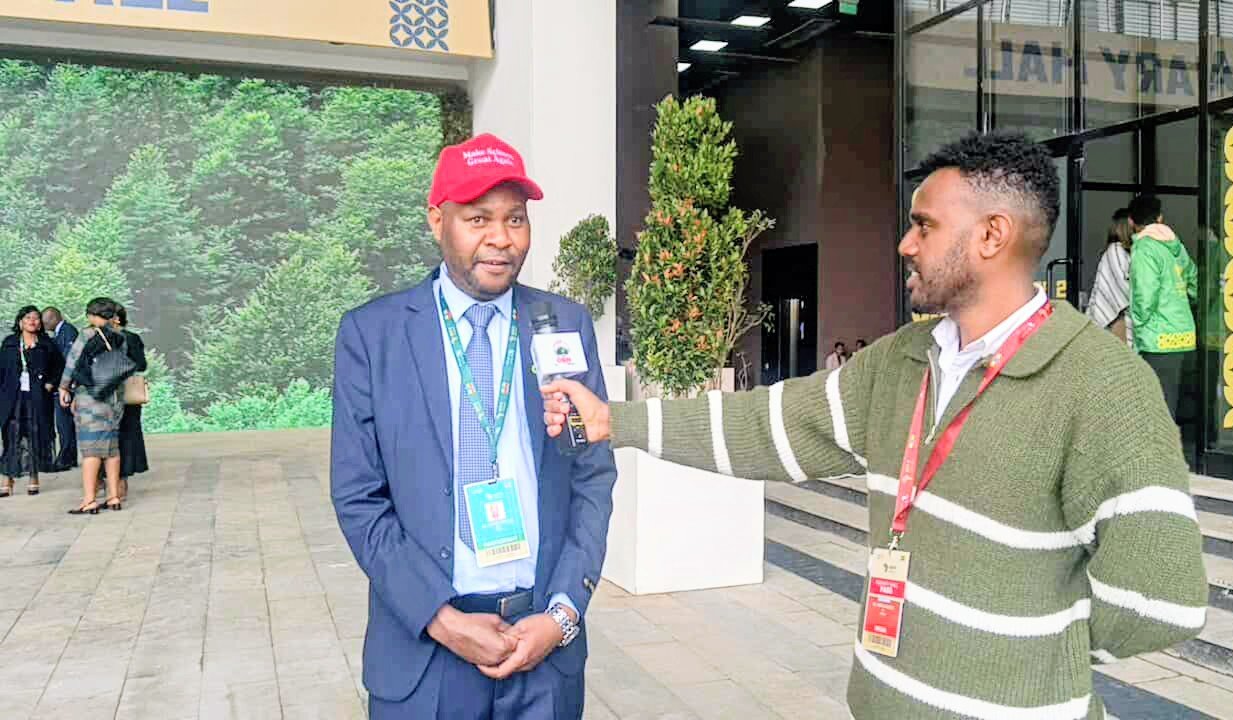
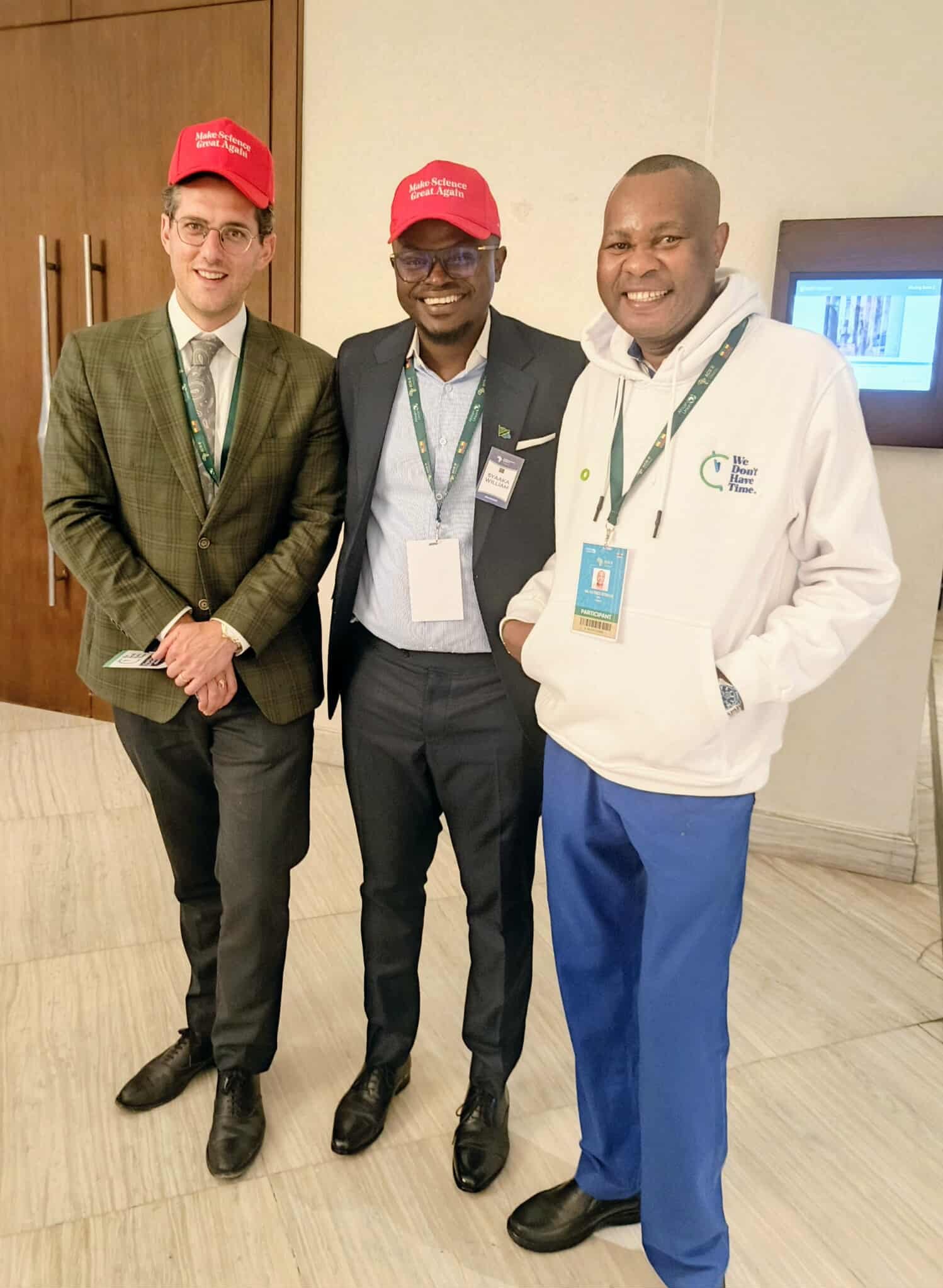
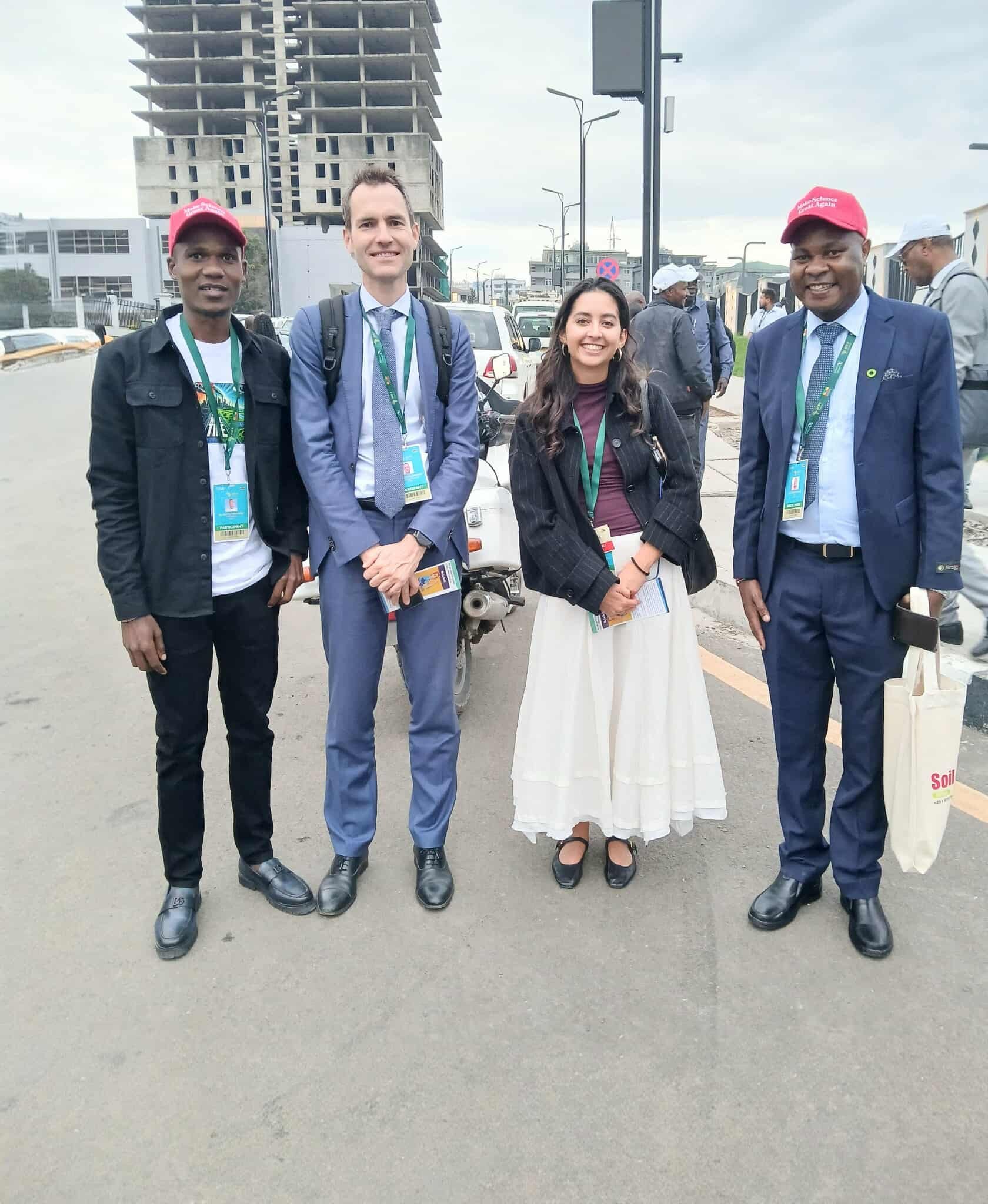
As Africa Region Representative of We Don't Have Time, Local and International Media houses they were eager to hear our views and about our statement displayed in our Red Caps.
At the heart of Addis Ababa, a quiet revolution unfolded not in the streets, but in the chambers and corridors of the Second Africa Climate Summit (ACS2). Hosted in Africa’s diplomatic capital, the summit was more than a policy event. It was a statement. A pulse. A declaration that a continent too often cast as a climate victim is stepping forward as a climate solutions powerhouse. From red caps emblazoned with “Make Science Great Again” to billion dollar commitments, ACS2 carried something rare: determination, deeply African yet globally resonant. Addis didn’t just host a conference. It launched a new era of climate leadership.
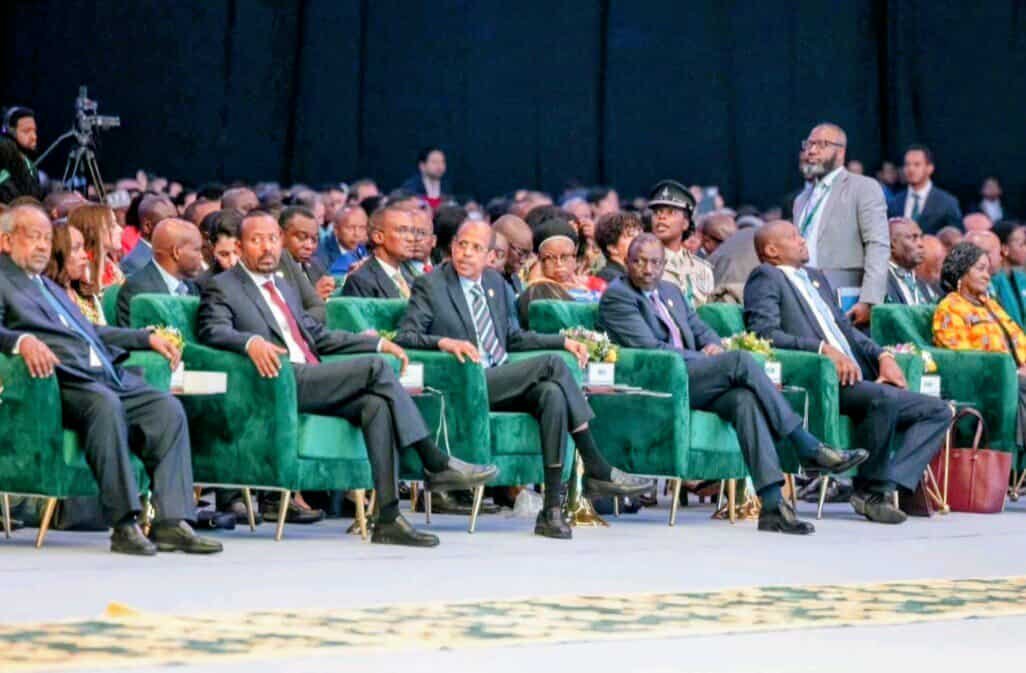
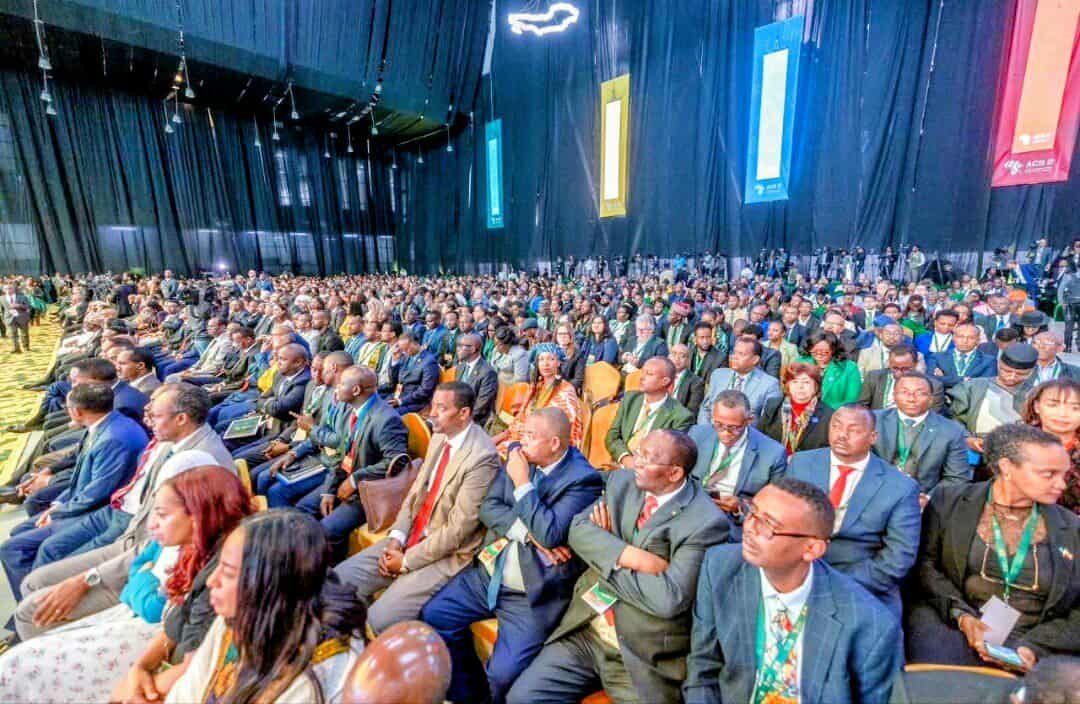
All sorts of leaders from Africa and beyond including president were among many attendee that attended.
The Mood on the Ground: A Movement, Not a Meeting
Inside the Addis International Convention Center, the energy was unmistakable. Delegates didn’t drift through panels; they leaned in. Conversations sparked across exhibits, over lunch tables, and in hallway huddles.

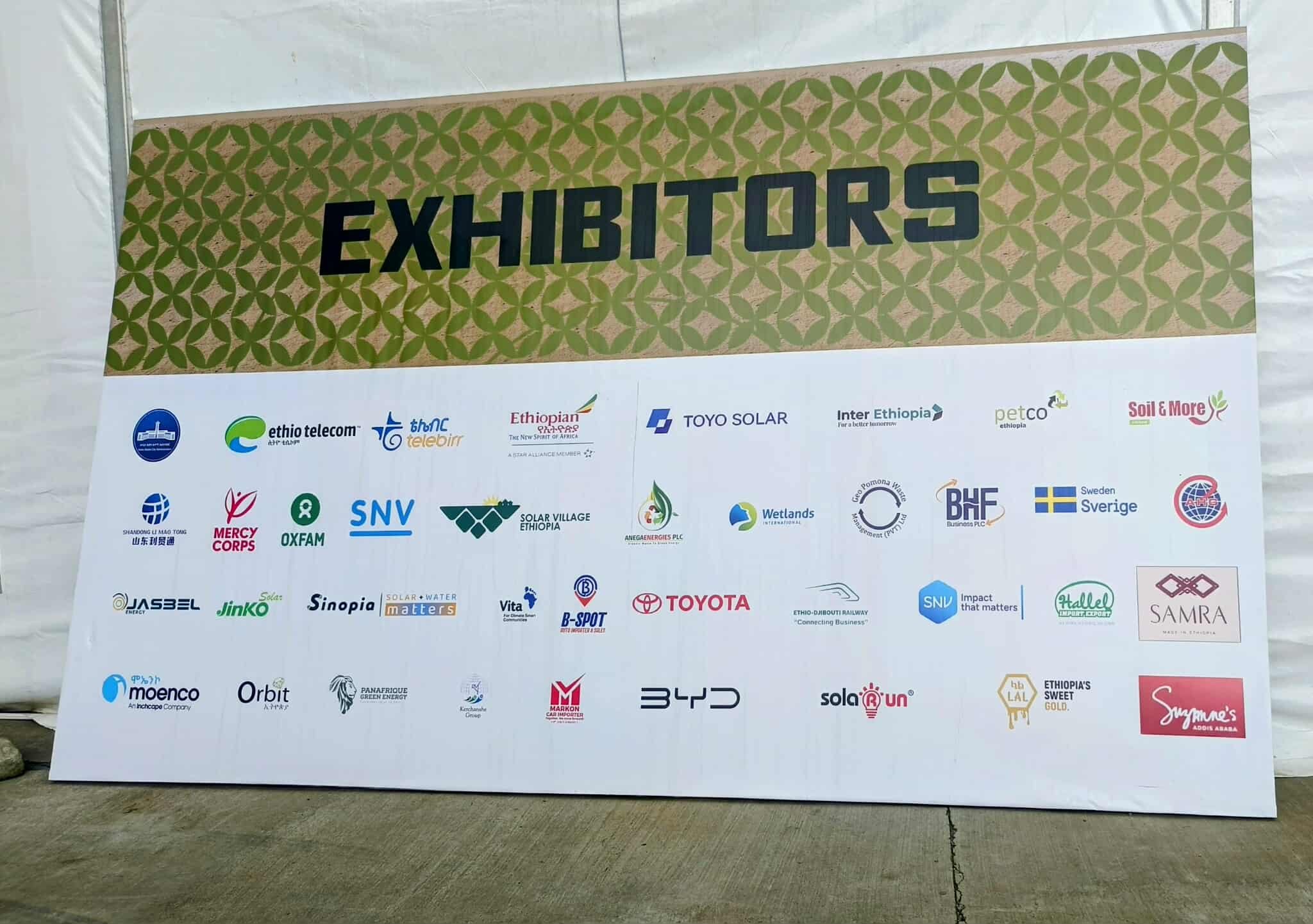
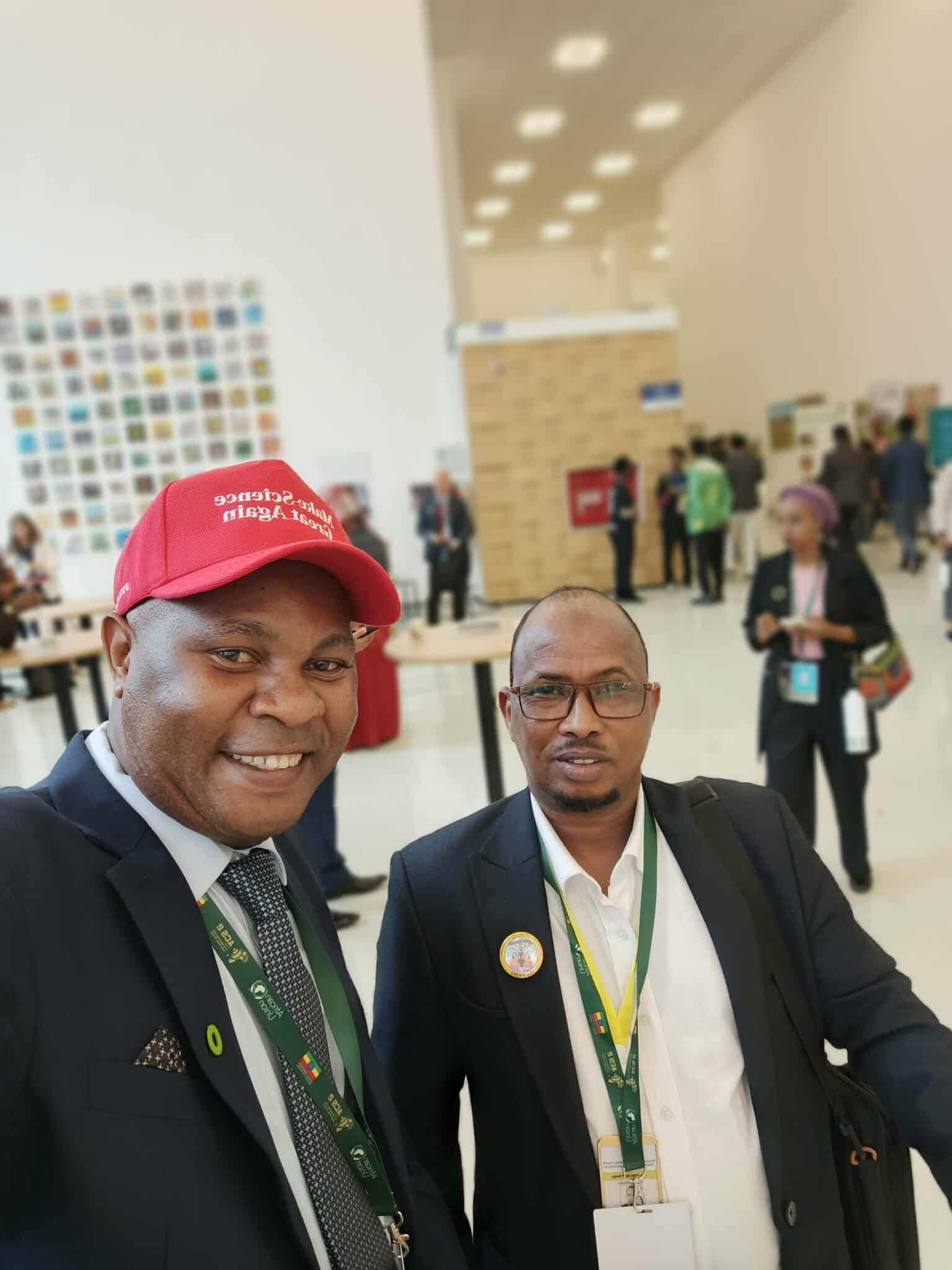
All Sorts Of Exhibitions, spoke lounder toward path of transition to Green Era.
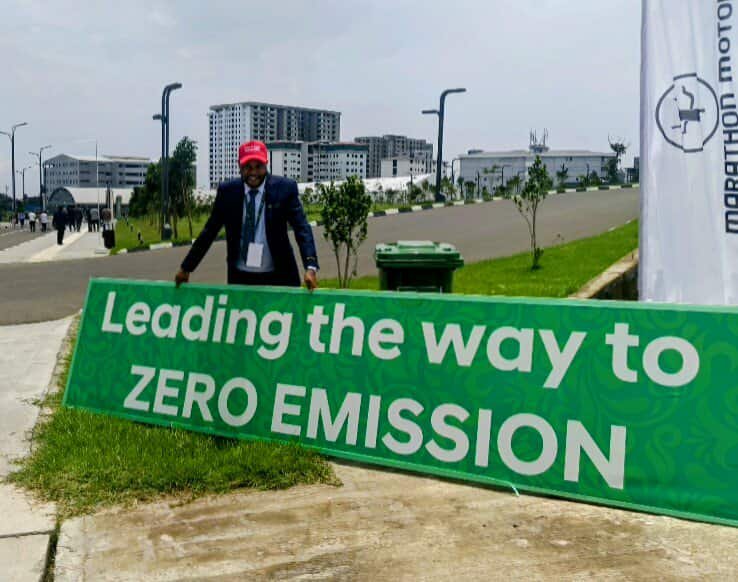
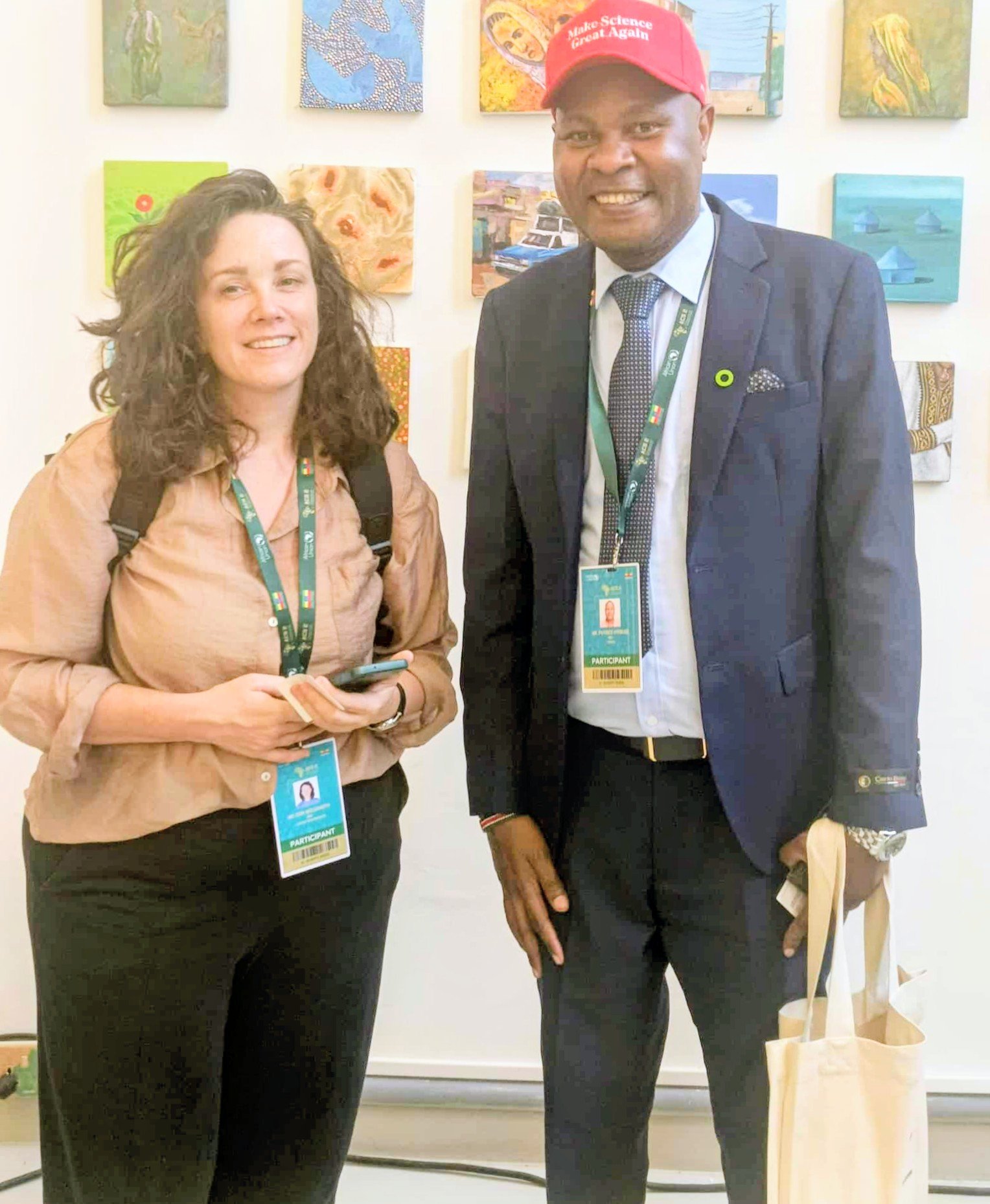
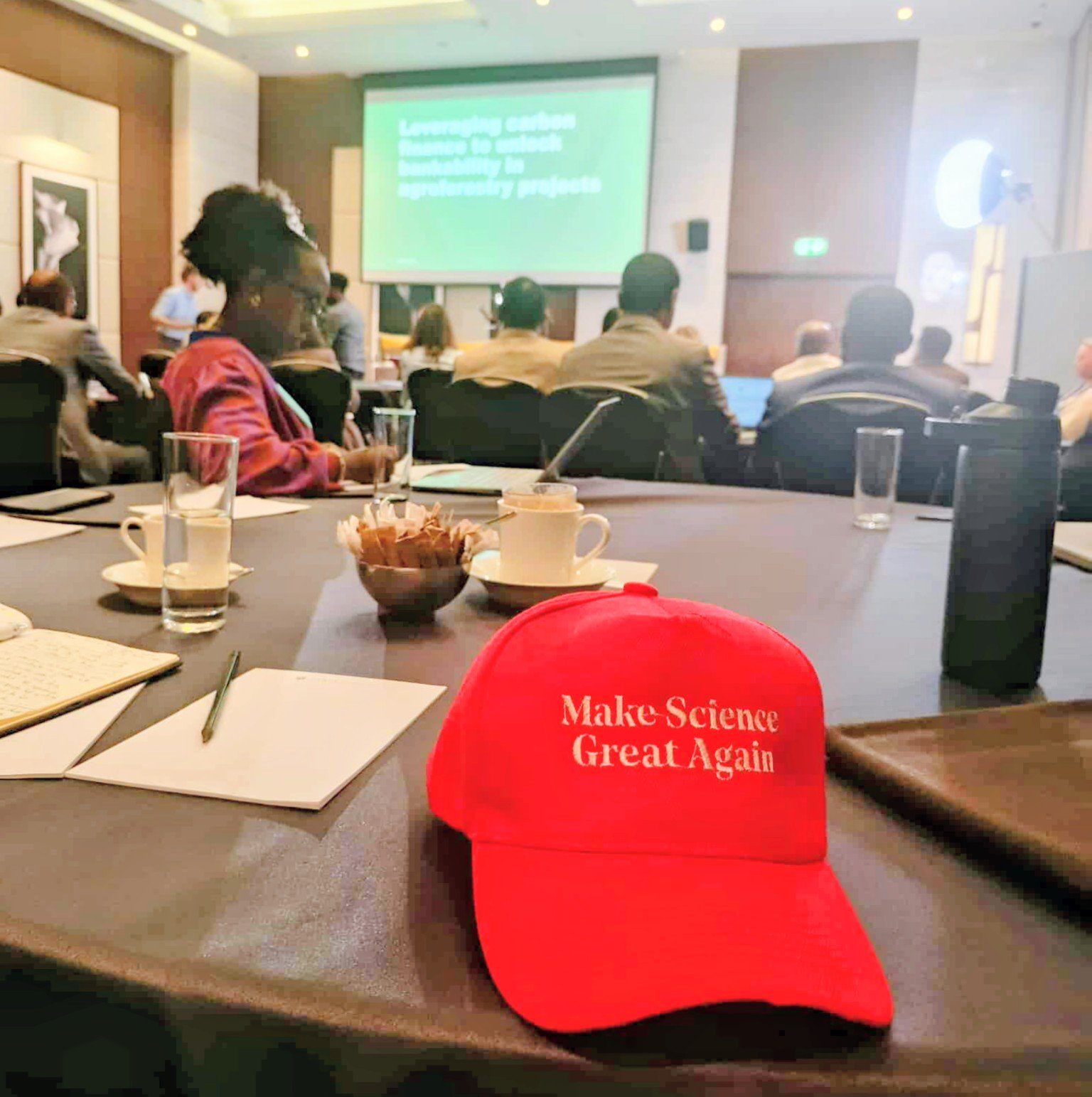
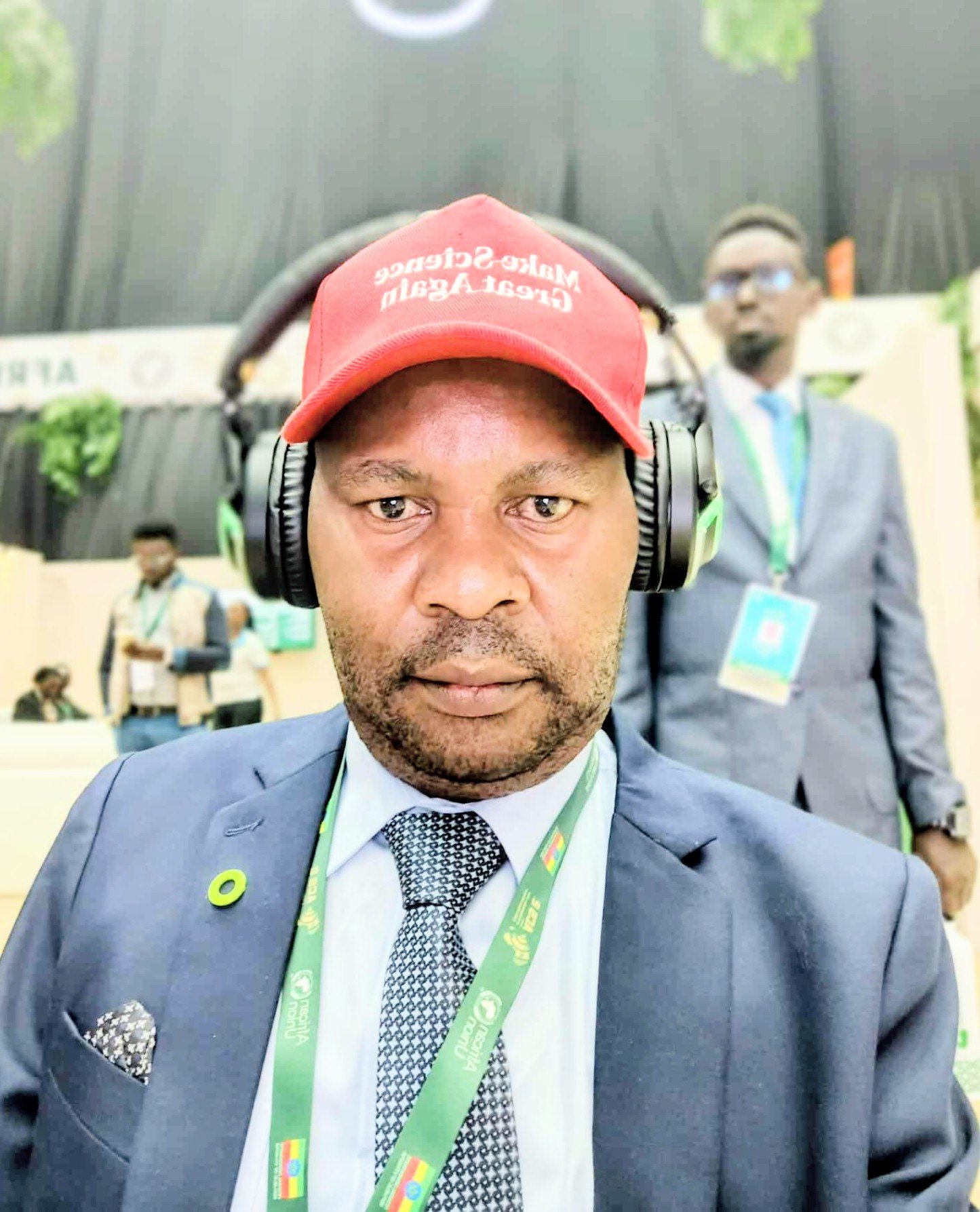
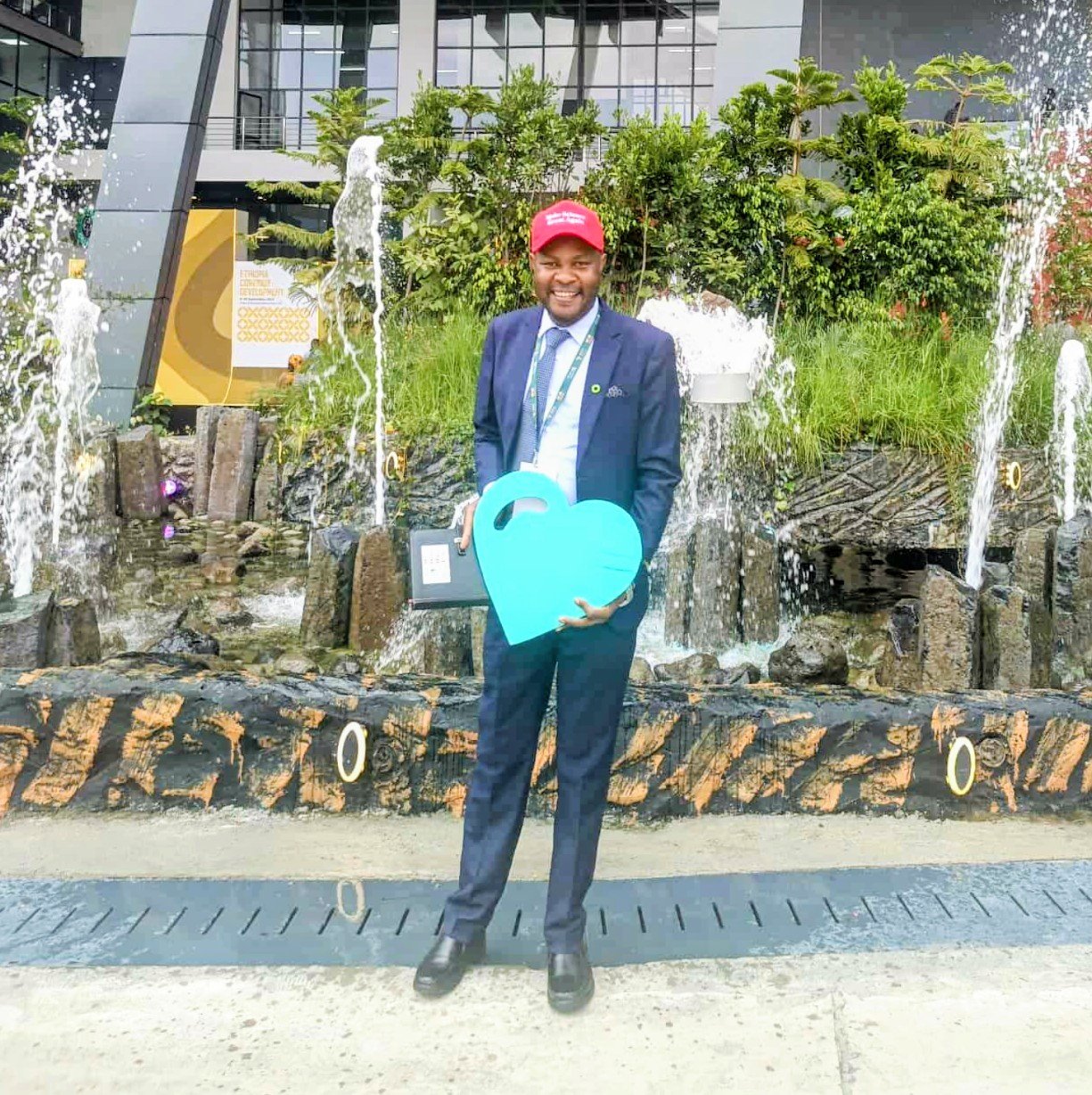
Among the most striking visuals were the red caps worn by us representatives of We Don’t Have Time, a well known global climate communication platform. Far from our mere branding, they were a conversation starter, a protest, and a rallying cry for evidence based leadership in a world awash with misinformation. In a sea of suits and lanyards, this grassroots energy cut through high level diplomacy.
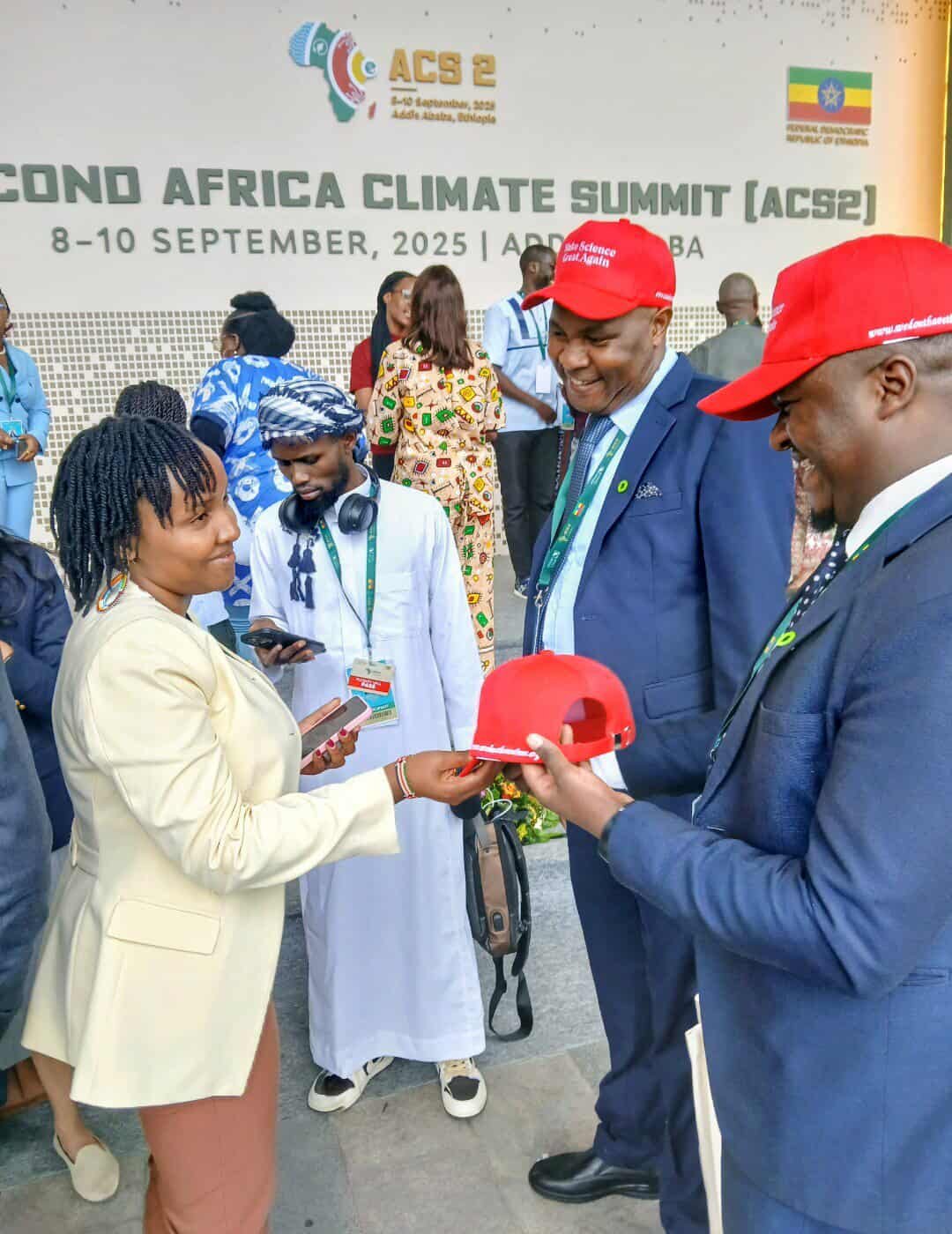
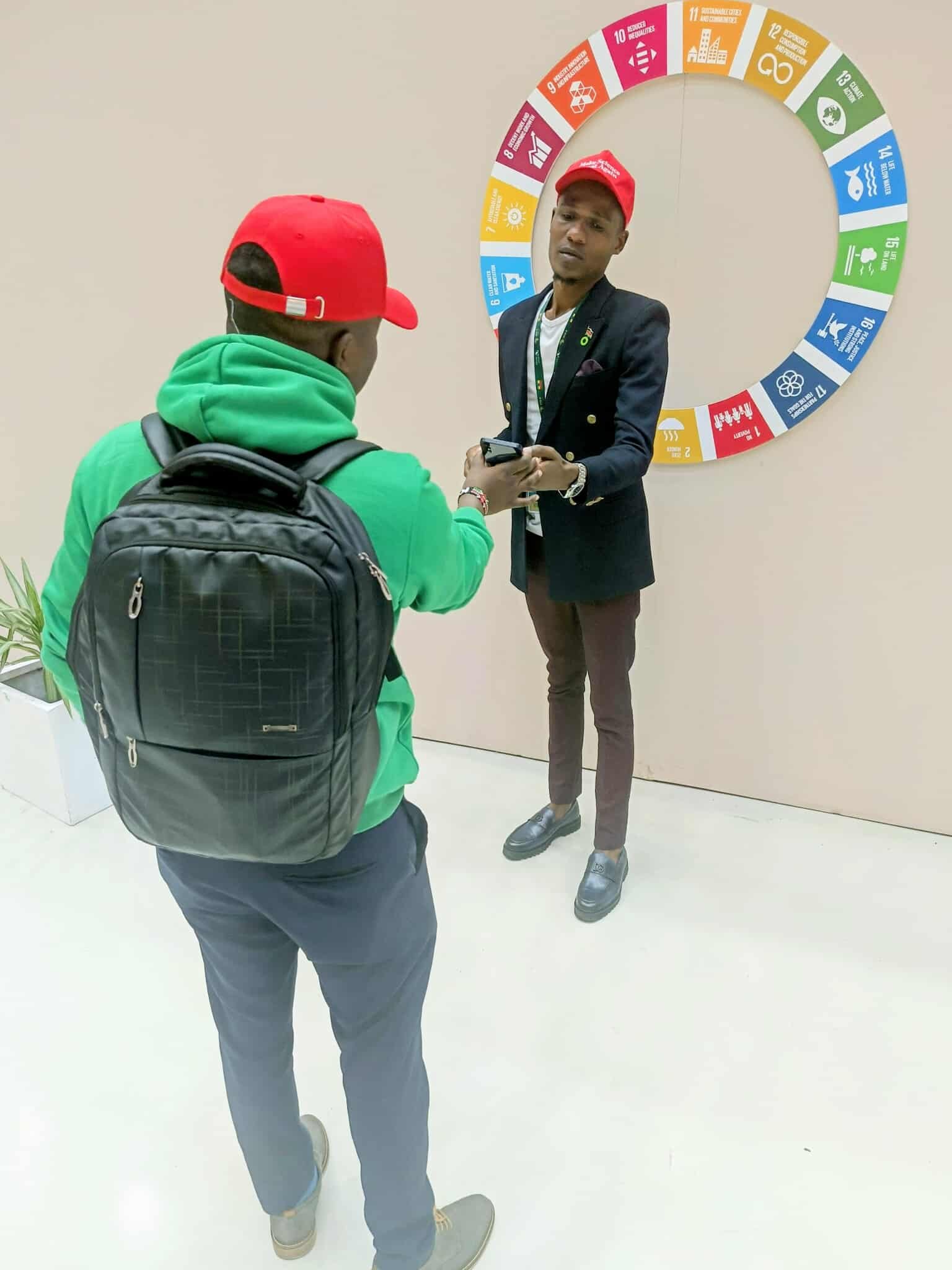
Exchanging words of hope and our red caps to one of vocal climate change activist Elizabeth Wathuti
ACS2 didn’t just feel different. It was different.
Ethiopia’s Bold Bid: More Than a Host, a Trailblazer
Ethiopia’s decision to host ACS2 was deliberate: a chance to showcase its growing climate credentials and tell its own story on its own terms.
At the center of that story is the Grand Ethiopian Renaissance Dam (GERD) — a megaproject set to deliver 5,150 MW of clean power. It is both a symbol of ambition and a point of complexity, sparking debates over environmental impact and regional geopolitics.
But Ethiopia isn’t relying on hydro alone. The country is investing in solar, deploying electric buses in Addis, banning fossil fuel vehicle imports, and aiming for a 95% electric fleet by 2033. Addis itself reflects this transformation from 48 billion trees planted under the Green Legacy Initiative to urban projects like Sheger Park, blending nature, art, and infrastructure.
Challenges like waste management persist, but initiatives such as “no litter” mandates and weekly community clean ups show a government willing to innovate and citizens eager to engage.
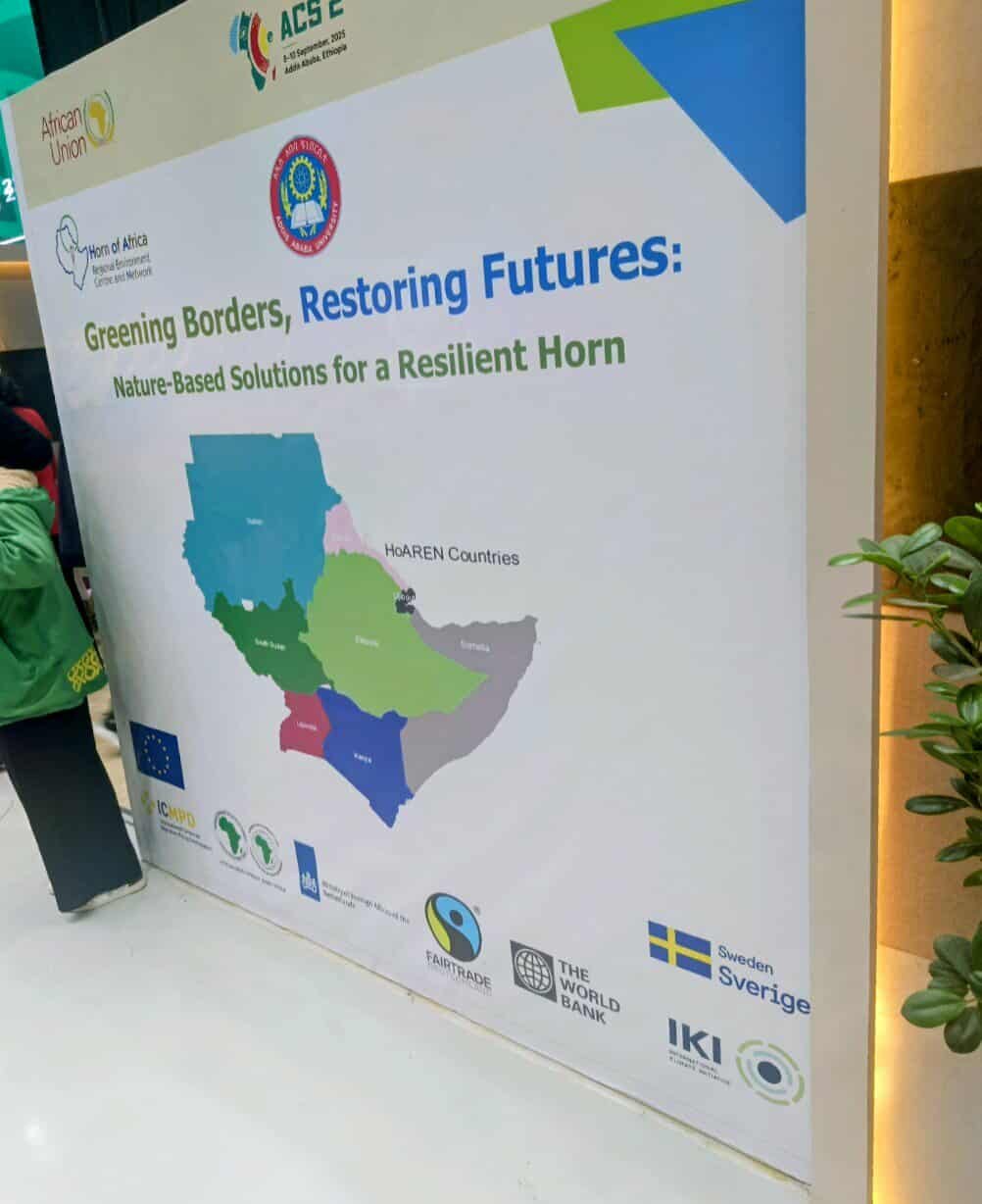
A voice of #Togetherness from every block of Africa, be it East, West, South and North.
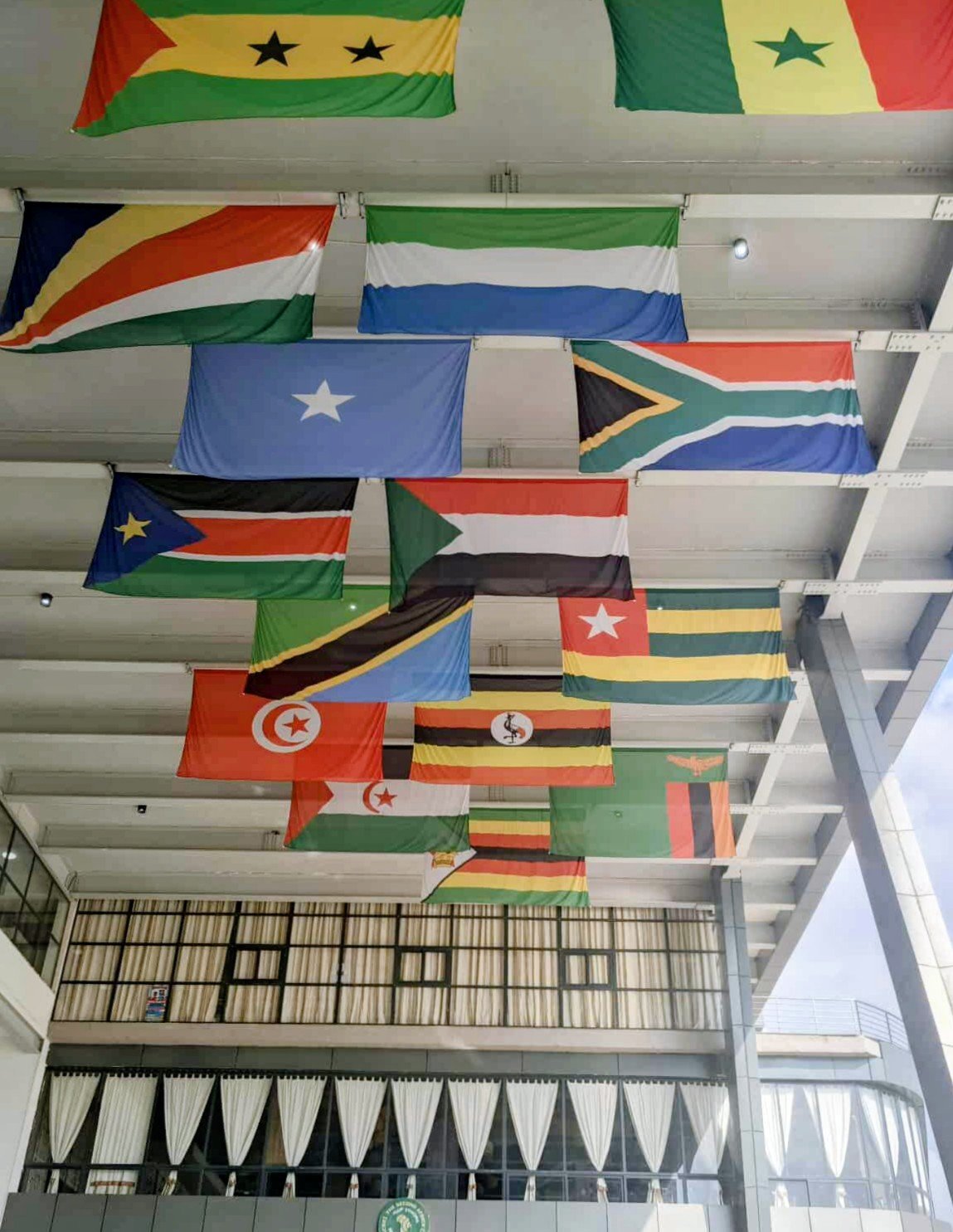
All flags of Africa countries, stood tall representing its voice of beacon of hope.
Why Addis Matters: Africa Sets the Agenda
Addis Ababa is no ordinary host city. Home to the African Union and UNECA, it is the heartbeat of African diplomacy. Staging ACS2 here sent a clear message: Africa is not waiting for an invitation to the climate table. It is setting the agenda.
Strategically timed just two months before COP30 in Brazil, the summit positioned Africa’s voice where it matters most at the front of the global climate debate.
From Words to Action: The Addis Ababa Declaration
At the summit’s core stood a powerful blueprint: The Addis Ababa Declaration on Accelerating Global Climate Solutions.
Its central message was bold: Africa doesn’t need climate aid. It needs climate investment.
Leaders called for:
Grant based financing instead of debt-inducing loans.
Reform of global financial institutions.
Fairer distribution of climate resources.
Recognition of Africa’s unique vulnerabilities — and its strengths.
Grounded in justice environmental, historical, and economic, the declaration aligned with the AU’s 2025 theme on reparations, giving every demand deeper weight.
Pledges That Matter: Billions for African Solutions
Unlike many summits that end in rhetoric, ACS2 closed with commitments: billions pledged toward African-led climate solutions.
Among the most ambitious initiatives was the African Single Electricity Market (AfSEM) an AU backed plan to integrate energy systems across the continent. By unlocking renewable potential and cutting costs, AfSEM could change the lives of the 600 million Africans who still lack access to electricity.
We Don’t Have Time: Digital Influence, Real Impact
While policymakers debated and financiers calculated, a new kind of diplomacy was at work. We Don’t Have Time, with its 200million strong audience, turned social media activism into direct diplomacy.
Its “Make Science Great Again” campaign was more than a slogan, it was a bridge, linking citizens, innovators, and decision makers under a shared banner of truth and urgency. At ACS2, the platform amplified African voices, catalyzed partnerships, and spotlighted solutions from climate resilient food systems to sustainable urban technologies.
In an era of disinformation, this fusion of digital activism and diplomacy is no longer optional. It’s essential. And hence #MakeScienceGreatAgain (www.wedonthavetime.org/msga) Sat on the table, majority were full of curiosity but there after they listened the voice and acted to the call.
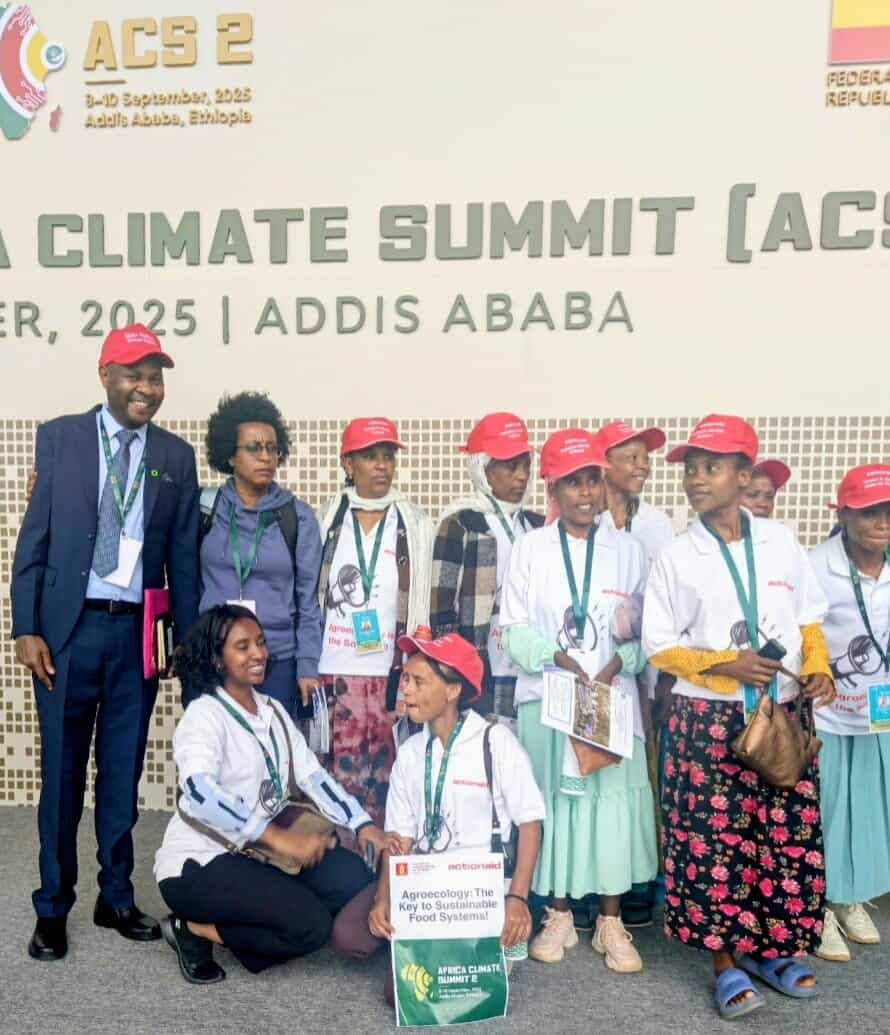
All sorts of groups were represented be it Youths, Children, Indigenous People, Activists, etc. Reason! For a purpose of healthy Mother Earth.
The Bigger Picture: What the World Must Learn
Africa’s climate story is being rewritten not as a tale of loss, but of leadership. The $2.5 trillion financing gap is daunting, but so is Africa’s determination to close it on its own terms.
The message from Addis was clear: the world must stop treating Africa as a charity case and recognize it as a co-architect of the global climate future. Ethiopia has shown what bold, green leadership can look like. With ACS2 concluded, the road to COP30 now carries the momentum of a continent no longer waiting for permission to lead because it already is.
Conclusion: A Continental Roar, Not a Whimper
In Addis, a summit became a signal. It was a call to rethink how we speak of Africa, how we invest in climate action, and how we define leadership in an age of crisis.
As We Don’t Have Time reminds us: this is not just a race against carbon. It is a race for truth, for justice, and for a future that works for everyone.
Addis Ababa lit the flame. Now the world must carry it forward knowing that citizens everywhere are watching, and ready to give climate love for every achievement that follows. Much Climate Love for this second Step from Africa. Looking forwrd for more wins for us all individualy, collectively for our Mother Earth.