by Nick Nuttall
The moonshot dreams of turning algae into environmentally friendly fuels could be making a comeback, over a decade after many projects collapsed leaving researchers and investors bruised and battered.
Right now, a raft of European Union (EU) Horizon-funded projects, totaling over Euro 30 million in investment, is underway with names like Cocpit, Fuelphoria and Susalgaefuel.
Several are targeted specifically at aviation and shipping by providing an alternative to fossil jet and bunker fuels, others have even wider decarbonization aims.
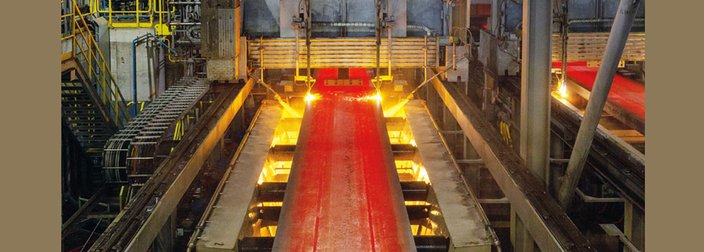
Renewed interest in algae dervived fuels aimed at many "hard to abate sectors" from steel plants to aviation
But the overall goals are to make liquid sustainable biofuels economically viable in Europe, address environmental concerns in the growing and processing of microalgae and help the EU meet its Paris Agreement targets.
"I think alot has been learnt from past attempts to do this which is now being applied to a new generation of research projects. Also driving action is the EU's emission reduction targets, the Renewable Energy Directive and regulations like ReFuelEU Aviation," he added.
FUELGAE is one that is perhaps emblematic of the wider approach. Here the focus is on harvesting carbon dioxide from high emission industries like steel to fertilize and grow substantial quantities of micro algae.
https://youtu.be/f7QdoDtbrFU
This can help so called “hard to abate sectors” save money, meet their climate targets and avoid possible financial penalties under initiatives like the EU’s Emissions Trading Scheme.
A further feature is to recover and use all the materials that emerge from processing microalgae, like lipids, sugars and proteins, to make a range of sustainable biofuels suitable for different sectors.
These include bioethanol, a mix of hydrocarbons similar to kerosene or petrol but with a super low carbon footprint and biomethane. These have potential uses not only in jet and maritime fuels but also for powering a range of other energy hungry industries and sectors like land transport.
A fourth material and further potential revenue stream is biochar—a carbon material that can improve soils and reduce water and fertilizer losses in agriculture.
Giannis Penloglou, a chemical engineer with the Centre for Research & Technology Hellas in Thessaloniki, Greece, which is also part of FUELGAE, added:” We are not about developing massive microalgae, plants. Instead, we are going to existing industries to grow microalgae from their CO2 emissions. The biofuels produced can be then used on site or dispatched to other companies needing to cut their greenhouse gas emissions”.
Giannis Penloglou, Centre for Research and Technology Hellas, Greece: a member of the Fuelgae partnership
The four-year project, which is halfway through, is currently testing different kinds of microalgae at steel works in Romania and at a plant in Valencia, Spain. The Spanish facility is currently processing municipal organic wastes into bioethanol.
Chorella is being piloted at the steel plant and is a good producer of lipids. Another species called Stichococcus, which is proving to be a big producer of sugars, is being piloted in Valencia—this variant is a relatively recent discovery by researchers at the Technical University of Crete and was found in waters off the coast of Chania.
FUELGAE is also aiming to make algae work under different conditions. The CO2 in the flue gas from an industrial plant can often be contaminated with toxins or substances that inhibit algal growth.
By growing microalgae over several generations, the team is selecting strains that flourish better under these harsher conditions.
Another goal is to have microalgae that flourish in the different conditions across Europe such as the colder, often less sunny climate of Finland versus the hotter, and more sunny conditions of say Spain or Greece.
This reduces the higher costs of growing microalgae in highly controlled plants where sunlight and temperature are automatically regulated.
Commercialization and the protection of intellectual property rights for FUELGAE is embedded in many of the projects. Inlecom Commercial Pathways in Ireland is handling this side of the FUELGAE initiative.
Laura Franco, an analyst for Inlecom, said early estimates indicate that if just 1 per cent of Europe’s CO2 emissions were converted into biofuels using the FUELGAE approach, it could produce around 8 million tonnes of advanced biofuels annually.
As a comparison, jet fuel consumption in Europe in 2023 was an estimated 65 million tonnes.
Ms Franco said early calculations indicated the project could also lead to a 40 per cent cut in greenhouse gas emissions from industries like steel.
Europe is not alone in this renewed race. A scan of patents related to algae-into-fuel has found many filed in Asia including China and South Korea and some in the United States.
Perhaps a remix of Frank Sinatra’s dreamy song “Fly Me to the Moon" might become a reality, fueled by microalgae-based biofuels or perhaps the Greek fable of Icarus is again waiting in the wings.
This article by Nick Nuttall was orginally published by the Berlin based Table Media as part of its Ideas for the Climate series on 24 July 2025 https://tinyurl.com/4ratwb9u