Right now, the world is laying the foundations for a more abundant, potentially more equitable future. The urgency of transitioning away from fossil fuels is not only fueled by pending climate disaster. Fossil fuels are also a big contributor to financial instability. With clean, abundant energy, we can dare to dream big. The means already exist, but getting there will require the same urgency and investment towards building what comes next. Our vision of the future is clean energy abundance.
This year, countries are setting the stepping stones towards a clean and prosperous future through the national fossil fuel transition roadmaps that are being developed everywhere from France to Colombia.
These roadmaps must be about more than moving away from something. France’s roadmap explicitly outlines how fossil fuels must be replaced with an abundance of zero-carbon electricity and renewables, including new heat solutions and charging infrastructure for electric cars. This is how to imagine a society that is no longer limited by the scarce energy resources that the fossil society had to deal with. Through clean energy abundance, solutions that were previously off the table are now within grasp, and if used right, this can benefit everyone.
Breaking Free from the Gas Trap
Several financial crises throughout history have been connected to energy prices, but it doesn’t have to be that way. Traditionally, electricity prices have been shackled to the volatility of fossil oil and gas supply chains. In 2021, gas dictated electricity prices 97% of the time in the UK, compared to just 7% in France, primarily thanks to France’s high proportion of nuclear power. Analyses of the energy crises following the Russian invasion of Ukraine and the conflict around the Strait of Hormuz show clearly that fossil-dependent economies are much more vulnerable to geopolitical crises.
Clean energy breaks this cycle. Wind and solar generation have already demonstrated their power, saving the UK £1.7 billion in gas imports since the war in Iran began. Separately, wind and solar cut UK energy prices by a third in 2025.
While wind and solar variable generation traditionally relied on gas for back-up, pairing them with storage, hydro, or nuclear eliminates fossil fuels from the grid.
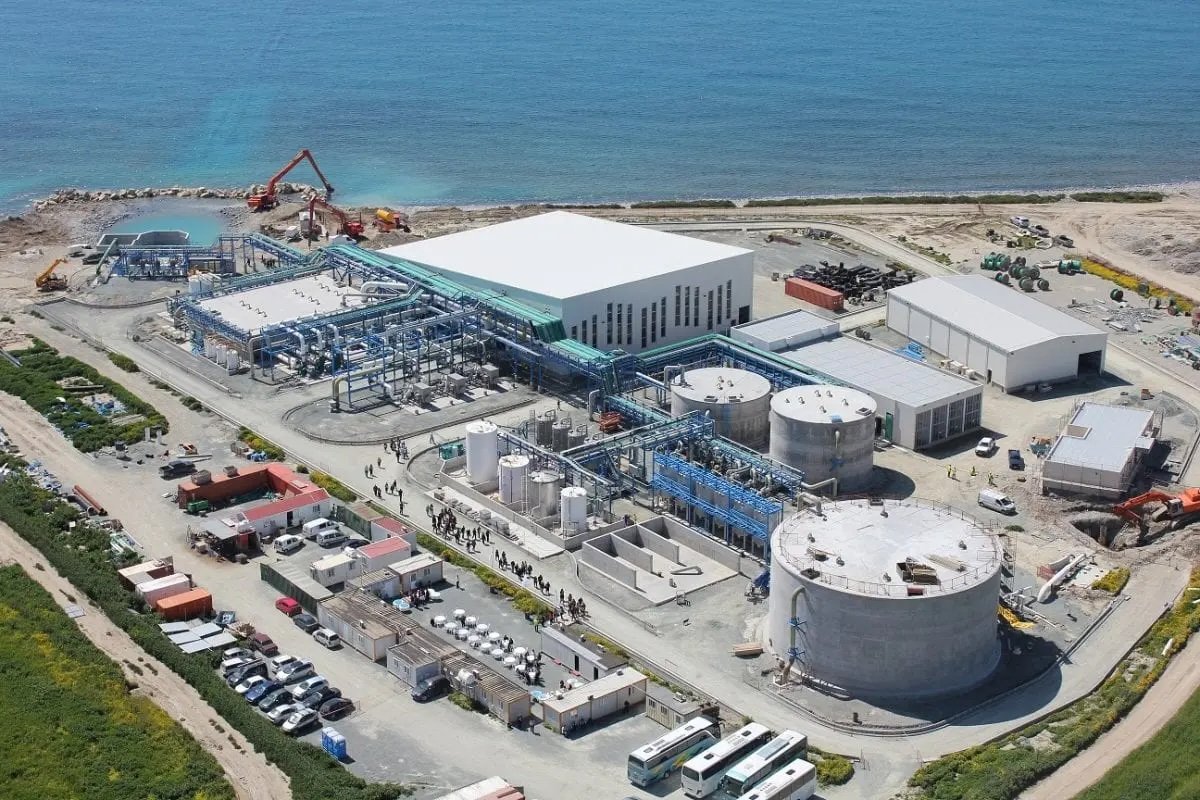
A desalination plant on the Red Sea in Saudi Arabia. Photo credit: Middle East Monitor From Scarcity to Abundance
From scarcity to abundance
What makes fossil-free energy truly revolutionary is that the potential is virtually unlimited. Wind, solar, and nuclear don’t rely on scarce fuels and have very low running costs, opening up the possibility of large amounts of cheap energy over time. No single technology creates energy abundance on its own; a diversified portfolio of renewables, long-duration storage, and nuclear is what turns clean power into continuous, low-cost infrastructure.
While advanced nuclear and grid storage require upfront capital, their low running costs unlock decades of predictable, cheap power. When clean energy becomes ultra-cheap and continuous, previously cost-prohibitive solutions become global game-changers:
- Desalination could protect many countries from future water crises by turning seawater into fresh water. Currently, it is being held back by high energy demand and the toxic brine byproduct. Nuclear energy can provide power for both the desalination process itself and for Zero Liquid Discharge (ZLD) systems. ZLD converts the brine, a concentrated mixture of salt, minerals, and pretreatment chemicals, into dry solid minerals rather than damaging marine ecosystems by disposing of it in the ocean.
- Pink hydrogen can be used for anything from ammonia to building materials. A single 1,000-MW nuclear plant running year-round electrolysis can convert water into 150,000 tons of clean hydrogen annually, with oxygen as the only byproduct. If used to manufacture carbon-free green ammonia for fertilizer, this decouples food production, which itself accounts for one-quarter of global greenhouse gas emissions, from fossil gas price spikes, lowering global food costs and securing crop yields while reducing the carbon impact of the agriculture sector.
- Electrifying industry is a win-win for the climate and the economy, as long as the electricity is bountiful, clean, and reliable. One big barrier for many industries is their reliance on high-temperature heat, which requires natural gas and coal in many cases. Nuclear energy, however, can provide these temperatures without relying on fossil fuels, which is especially important for developing countries looking to expand their industries, and, consequently, their economies. For these countries, integrating nuclear energy into the grid can reduce the cost of clean energy abundance by up to 31%.
A New Framework for Progress
"Clean versus cheap" is a false binary. Fossil-free technologies are already being deployed at well below the cost of new fossil fuels, and they are only getting cheaper. Abundant, zero-carbon energy is the ultimate driver of equitable economic growth, particularly across the Global South.
A post-fossil society is about more than just removing fossil fuels – it’s about building the economy of the future. The national fossil fuel transition roadmaps being developed this year present a massive opportunity to transfer necessary expertise and funds for energy abundance from the Global North to the Global South. Working together to advocate for energy abundance in national roadmaps can make this a reality.