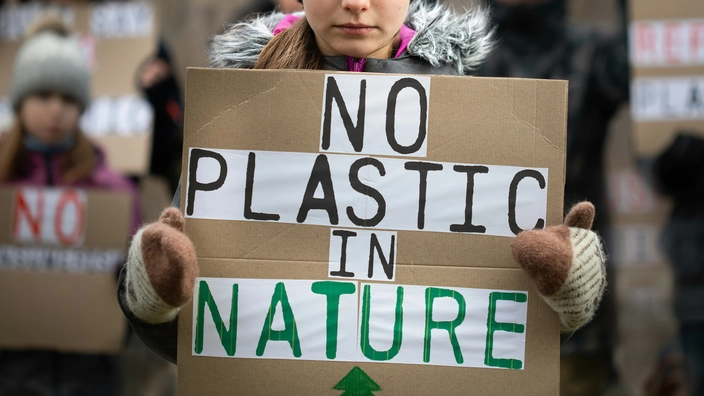
As we mark #EarthDay today, we turn towards one of the most urgent issues the Earth is facing today and this year’s Earth Day theme - Planet vs Plastic!
Every year, millions of tonnes of plastic waste suffocate our ecosystems, causing dire consequences, especially for our children, who are the most vulnerable among us. The production of plastic on a global scale has been increasing rapidly over the past few decades. According to Statista, the amount of plastic waste produced has increased by 7.11% since 2021. Currently, more than 380 million tonnes of plastic are manufactured, with half of them being intended for single-use purposes.
These actions have a direct impact on our health and well-being, especially for children. Infectious diseases, air pollution, rising temperatures, and malnutrition are some of the factors that affect them the most. According to the World Health Organization's analysis of the impact of climate change on human health, children under the age of five are particularly vulnerable, regardless of the country's level of development. This age group bears 88% of the total burden of disease caused by climate change, while an additional 5% of the burden affects children between the ages of five and 14.
While it is important to understand that each one of us can contribute towards addressing the plastic epidemic, the role of business and the private sector in creating a healthier future for our planet cannot be ignored. The private sector is at a turning point, with a unique chance to shift toward sustainability and safeguard the rights and health of future generations. During #COP28, UN Environmental Executive Director Inger Andersen cautioned that plastics cannot be relied upon as an alternative to energy systems as they decarbonise. The emissions produced by plastics are too costly for the world to bear. Furthermore, even if we did rely on plastics as a "lifeboat," we would be aimlessly bobbing around while the world changes around us.
By embracing a child rights perspective and prioritising children's well-being, corporate efforts can contribute to both environmental sustainability and the welfare of children. Discover how businesses can work together towards a sustainable future that prioritises our planet and our children:
https://globalchildforum.org/blog/four-ways-that-business-can-ensure-a-greener-future-for-children/
Earth Day is an annual event held on April 22nd to show support for environmental protection. It was first observed on April 22, 1970, and now includes a wide range of events coordinated globally by
https://EARTHDAY.ORG
.