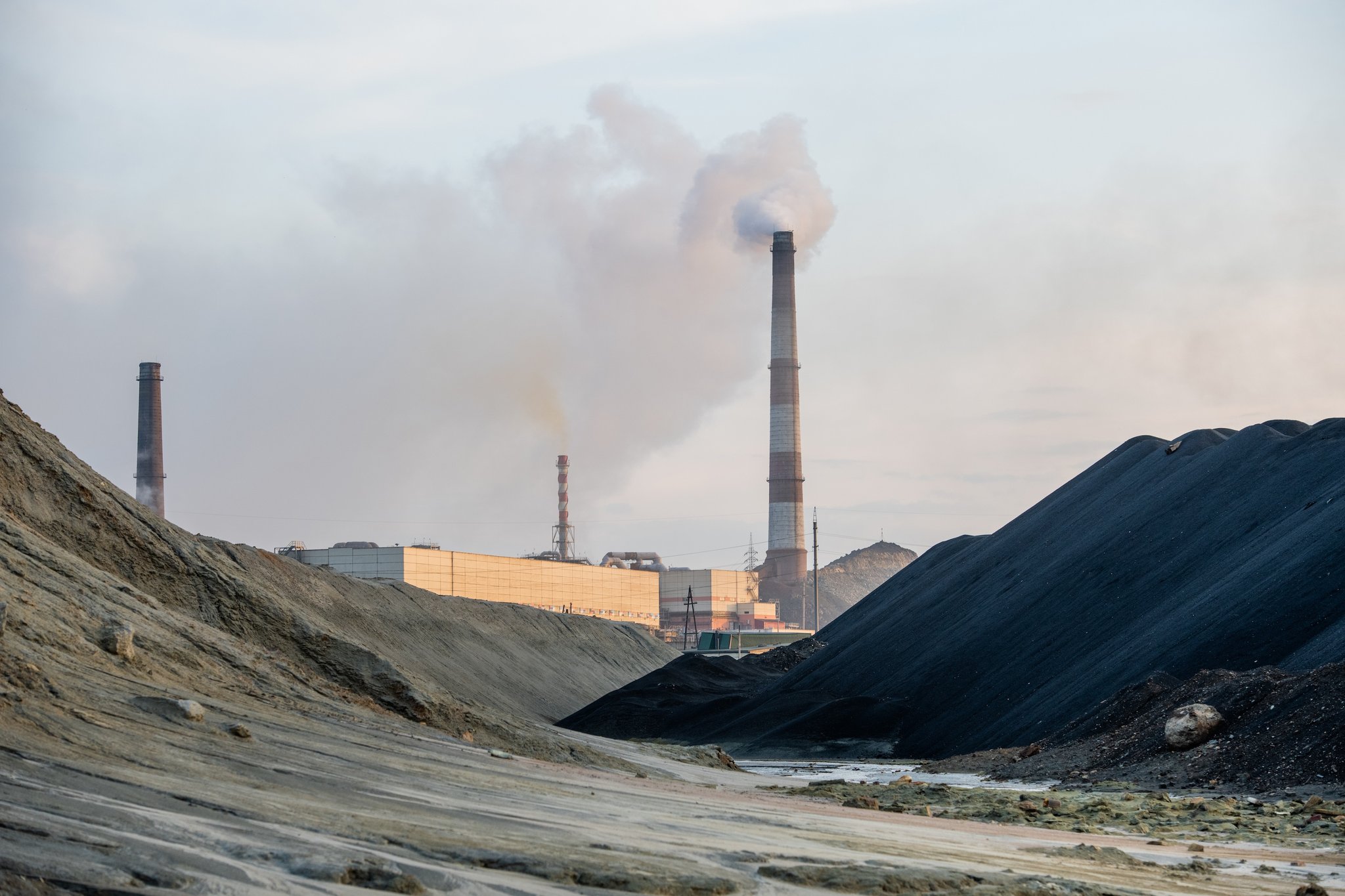
When it comes to climate in this new era of great powers, two global giants are charging in opposite directions.
Take a moment to savor this irony: The world's largest historical emitter, the champion of the free market and wellspring of innovation, is now propping up the most antiquated and polluting energy technology on the taxpayer's dime. In contrast, the world's largest current emitter, the paragon of central planning and archetype of insularity, is surging ahead with an unprecedented technological transformation.
China's Pragmatic Revolution
China’s historic clean energy roll out is not being driven by international pressure or any moral awakening. It’s happening because solar, wind, and storage are the economically rational choice.
Yet China's stated climate goals remain surprisingly modest. The country has pledged only to peak emissions before 2030 and reach carbon neutrality by 2060, targets that lie far from what would be needed to limit warming to 1.5°C. Its 2035 target calls for reducing emissions by just 7-10% from 2023 levels, far below the 30% reduction that alignment with Paris Agreement goals would require. This seems to be strategic conservatism. China sets targets knowing it will exceed them, building political credibility through overperformance rather than through ambitious promises. It's the opposite of the approach taken by many Western democracies, which announce bold targets and struggle to meet them.
America's Ideological Nostalgia
While China races onward into the renewable future, the Trump administration is intent on wrestling America's energy sector back to the 20th Century through government mandate.
In the last year, the Energy Department has forced at least five coal plants to extend operations beyond their scheduled retirement dates. Each additional month those stations stay on means millions of pointless tons of carbon emissions and hundreds of millions of wasted dollars. Just as remarkably, the Pentagon has been ordered to secure long-term power purchase agreements specifically with coal-fired power plants. The administration claims these moves are essential for energy security.
Rest assured this has nothing to do with saving money or securing electricity: As of 2023, 99% of coal-powered facilities were more expensive to run than replacement with renewables. Coal has the worst reliability record of any major energy source. What we’re seeing is an irrational, ideology-driven intervention to boost losers in an economic race that renewables have already won. The New Geography of Power
China isn't building solar factories and battery plants to save the planet. It's building them to dominate the next century's most important industries. The irony is that American coal subsidies aren't just environmentally destructive, they're strategically counterproductive. Every year the U.S. spends propping up coal and kneecapping renewables is a year it falls further behind in the industries that will matter most.
The old geography of power was defined by who controlled the oil fields. The new geography will be defined by who manufactures the batteries. While China adds renewable capacity equivalent to the entire U.S. grid every few years, America is ordering the Pentagon to buy electricity from the 19th century's fuel source. One country is building the future. The other is paying a premium to preserve the past.