What is sustainable aviation fuel (SAF)?
Modern aviation is a technological miracle, but our ability to soar through the sky is still dependent on fossil fuels. Unlike road transport, the electrification of commercial planes is not yet feasible: Imagine the size of a battery you’d need to power a jet. Now, imagine how much it would weigh (it’s no wonder electric planes currently in operation are restricted to the 4-20 seat range, a fraction of today’s commercial aircraft). Another solution, zero carbon fuels like green hydrogen, may be the answer in the future, but the massive global infrastructure to produce and distribute such a fuel has yet to be built, not to mention a fleet of planes that can run on it.
However, technologies already exist that can help us make major cuts to carbon emissions from flying. Chief among these is sustainable aviation fuel, or SAF. Simply put, SAF is jet fuel made from renewable or waste materials (think used cooking oil, agricultural residue, household waste) instead of crude oil.
You may recall from your high school chemistry class that burning organic material like the SAF feedstocks mentioned above releases CO₂. That’s true. In fact, SAF emits similar CO₂ levels during combustion to conventional aviation fuel. But what makes SAF special is its lifecycle emissions. Instead of releasing “new” fossil carbon that’s been locked underground for millions of years, SAF essentially recycles carbon already present in the biosphere. The net result is lifecycle SAF emissions are significantly less than that of fossil kerosene.
Yes, “less” not “zero.”
How much less? It varies, but according to the European Union’s ReFuelEU rules, certified SAF must deliver at least 65% greenhouse gas savings, though higher reductions are available. Air France KLM, for example, has managed to source SAF boasting an average of about 90% carbon savings over the last three years.
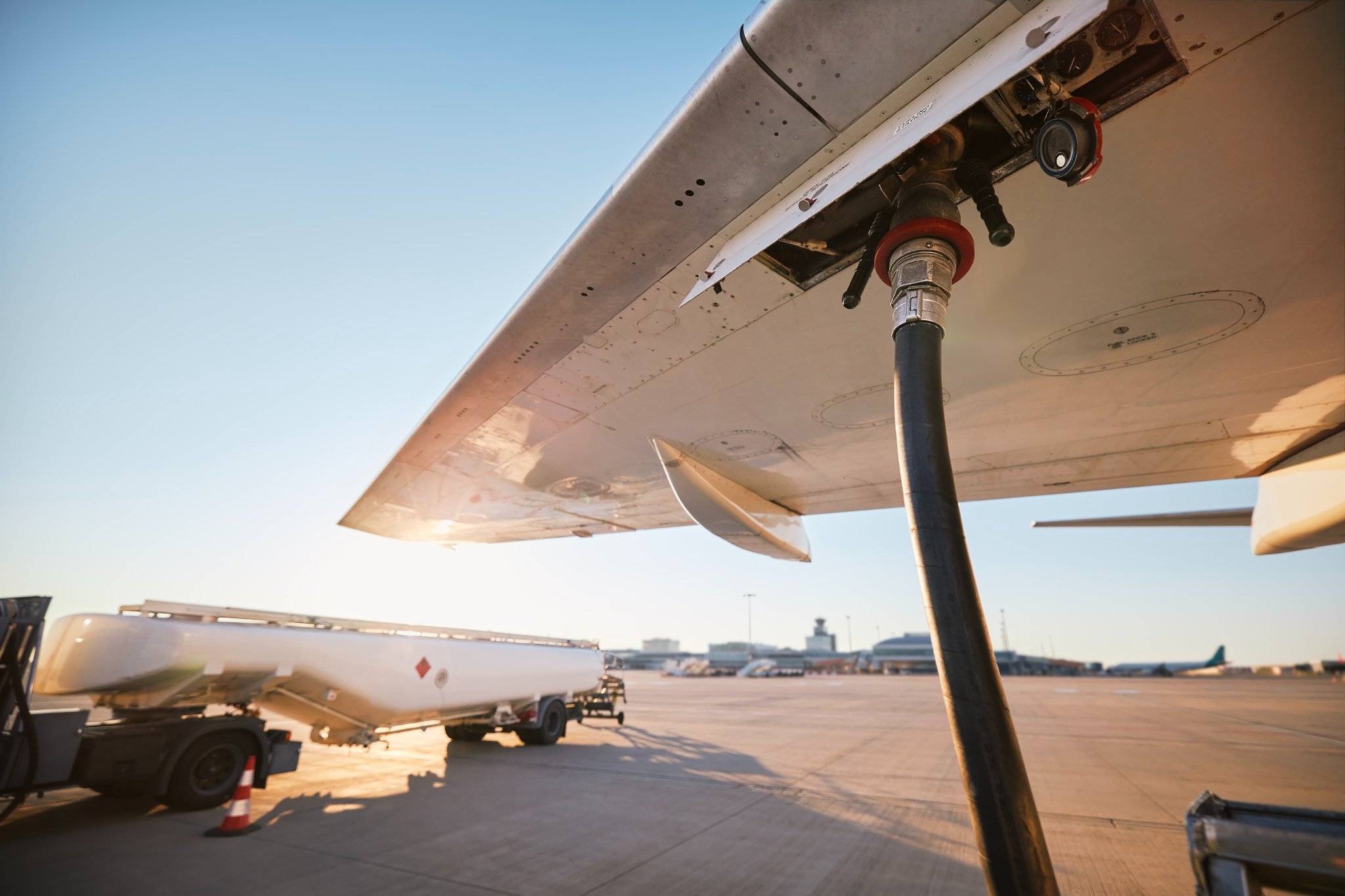
Perhaps best of all, SAF is a drop-in fuel: airlines can use it in today’s aircraft and fueling systems with no modifications, though it must be blended with at least 50% conventional fuel. That means that we don’t have to wait for tens of thousands of commercial planes to retire before we start cutting emissions. We can start now.
How can you know the SAF you pay for actually makes a difference?
Today, SAF is two to three times more expensive than conventional jet fuel. If production grows, costs are expected to come down, but for the time being the SAF market is dependent on airlines and customers’ willingness to pay a premium. Many climate-conscious travelers and companies are keen to do their part, but how can they be sure their money is well spent?
Fortunately, there are already robust systems of certification and tracking that ensure buyers are supporting real, measurable carbon reductions, not just a nice-sounding promise.
For logistical reasons, purchasing SAF does not mean anyone physically pumps the fuel you paid for into your specific plane. Just as renewable electricity does not flow directly into your home, the SAF you help fund enters the broader fuel system and supports the transition to lower carbon flight. Your emissions reductions are then validated through independent audits that confirm the airline has actually purchased and used the amount of SAF required to deliver the savings claimed.
Records of SAF purchases are maintained in detail, including information about feedstock, production method, and lifecycle emissions, using standardized models such as GREET or CORSIA. These records are kept by independent registries. Both airlines and registries undergo routine audits to verify any claims of reduced emissions. This gives flyers confidence that their SAF purchase has supported real and measurable reductions in emissions that would otherwise have been released.
How airlines drive SAF forward
Once we’ve established that purchases are reliable and SAF does reduce carbon emissions, the question becomes how we can expand SAF’s use. Here, airlines play a central role: Their purchasing decisions and sustainability policies directly influence which production pathways scale and how quickly new capacity is built.
A clear example is Air France KLM. The group applies strict sustainability criteria to all SAF it procures, including fuel sourced outside the European Union. These criteria ensure that SAF does not compete with food systems, is not produced from palm oil, and does not contribute to deforestation or other land conversion.
The airline has also been a top SAF purchaser for three years running (number one in 2022 and 2023 and number two in 2024). This level of consistent demand sends a strong signal to producers that long-term investments in new refineries and production pathways are viable. Over time, such commitments help bring down costs, making SAF increasingly accessible.
You can read more about Air France KLM’s SAF strategy here.
Is SAF sustainable in the long run?
Living up to its name, SAF really is the low-carbon choice in comparison with conventional fuel… with some caveats.
Like many climate solutions, the reality depends on how it’s done. Is the SAF made from corn or other crops grown specifically for fuel? Such feedstocks can put pressure on land and water resources and can also be energy-intensive, causing significant upstream emissions. Those broader lifecycle questions have to be carefully considered to be certain that SAF actually reduces aviation’s climate impact (it’s worth noting that, while crop-based SAF is common in some parts of the world, it is prohibited under ReFuelEU, so such fuels are not used for flights departing from the EU).
On the plus side, other feedstocks (like the aforementioned cooking oil, agricultural residue, and municipal waste) don’t entail the same issues. Research suggests there are enough sustainable feedstocks to meet a significant share of aviation’s fuel demand without threatening food supplies or biodiversity, but they are not unlimited. Conventional SAF is expected to meet demand through the next couple of decades, after which large-scale growth will depend on synthetic SAF, also known as e-SAF, produced with renewable energy like wind or solar.
Basically, as long as production avoids high-carbon land conversion (ie, deforestation) and carbon-intensive processing, SAF really does reduce emissions while turning waste into value.
Can SAF get us to our climate targets?
Right now, SAF accounts for less than 0.1% of jet fuel. Meeting the global demand entailed by regulations and voluntary commitments for 2030 requires a more than twentyfold increase in supply, a breakneck rate of growth that would have to be sustained for decades to deliver net zero by mid-century.
That said, scaling SAF is entirely possible, and every corporate or individual contribution helps move the market forward. Many consumers and businesses say they want lower carbon flights, yet overall demand is still too low to justify the major investments needed to expand production. Producers need stable, long-term market signals to build new refineries, increase capacity, and bring down prices.
Policies, such as the ReFuelEU mandate that 6% of aviation fuel used in the EU must be SAF by 2030, are helping align actors to accelerate SAF expansion. Businesses and consumers have a role to play, too, signaling through their purchases that they value the option to support lower carbon flights and helping create the steady demand that unlocks new production.
SAF’s place in the future of flight
If you take anything away from this article, know that sustainable aviation fuel is a legitimate way of lowering your travel carbon footprint. That said, SAF isn’t a silver bullet: There are tradeoffs, and scaling it at the pace we need will be a huge challenge.
Looking ahead, there are good reasons to believe that new aircraft technologies will eventually deliver genuinely low-carbon air travel: The first electric and hydrogen-powered planes could become viable for short-haul routes around 2040 and for medium-haul flights around 2045. For long-haul aviation, however, the current expectation is that we will continue to depend on combustion engines for the foreseeable future.
Electric flight and alternative fuels will one day help us bring aviation emissions much closer to zero, but our actions in the meantime will determine the degree of climate change experienced in the decades to come. SAF is the most practical way to start reducing aviation’s carbon emissions today and in the years to come. It bridges the gap between the fossil-fueled past and the technologies of the future, when innovation, policy, and market demand finally align for more sustainable travel.
Learn more about what you can do
https://wedonthavetime.org/movethetravel