Every energy crisis produces both a scramble for more fuel and a push to need less of it. This time, the diplomatic infrastructure is there. The question is whether the political will is, too.
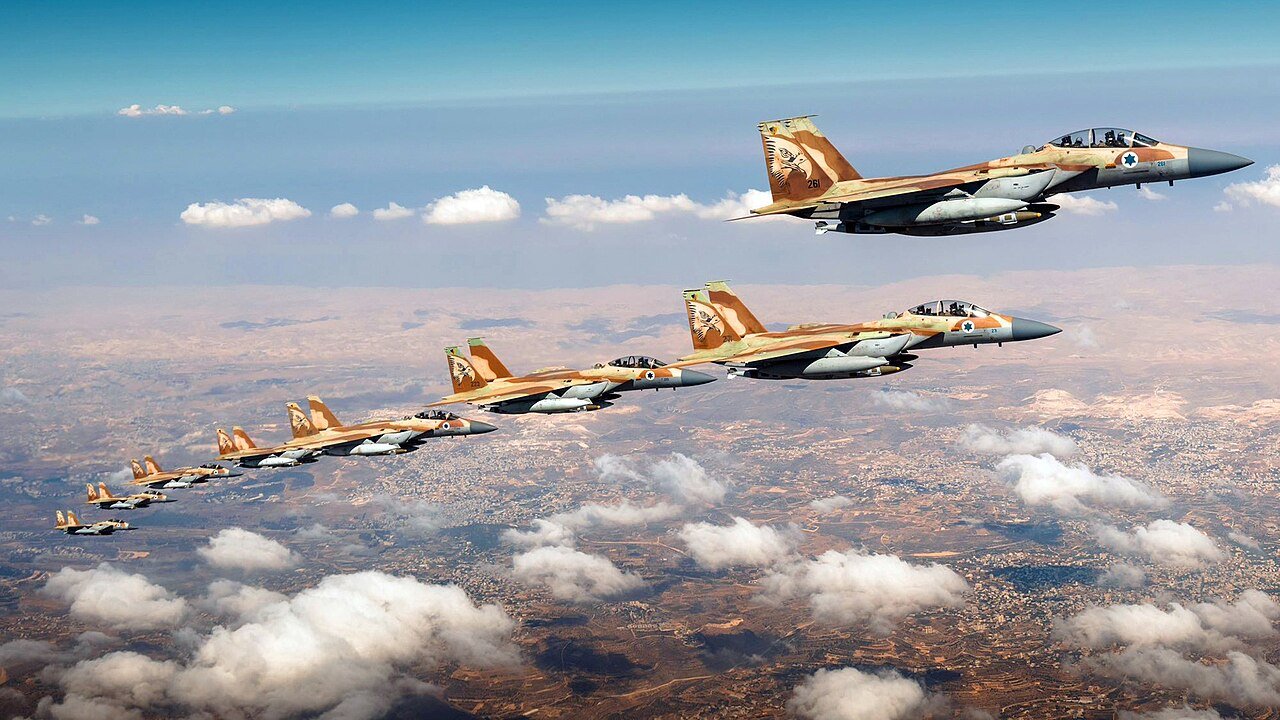
Israeli fighter jets on their way to attack Iran in mid-June 2025. Photo credit: IDF Spokesperson's Unit/Wikimedia Commons
The U.S. and Israel’s war on Iran has thrown the world’s energy market into chaos. As the conflict stretches across the heart of fossil fuel production and strangles a major artery of oil and gas shipping, price volatility soars. The tumult is sure to have major impacts across the global economy, with nations heavily dependent on Middle Eastern exports at the most immediate and severe risk.
This is far from the first time that international conflict has destabilized global energy supplies. As countries jostle to cover the impending fuel shortages, just one solution to secure long-term stability emerges: transition away from fossil fuels altogether, once and for all.
Climate diplomacy in flux
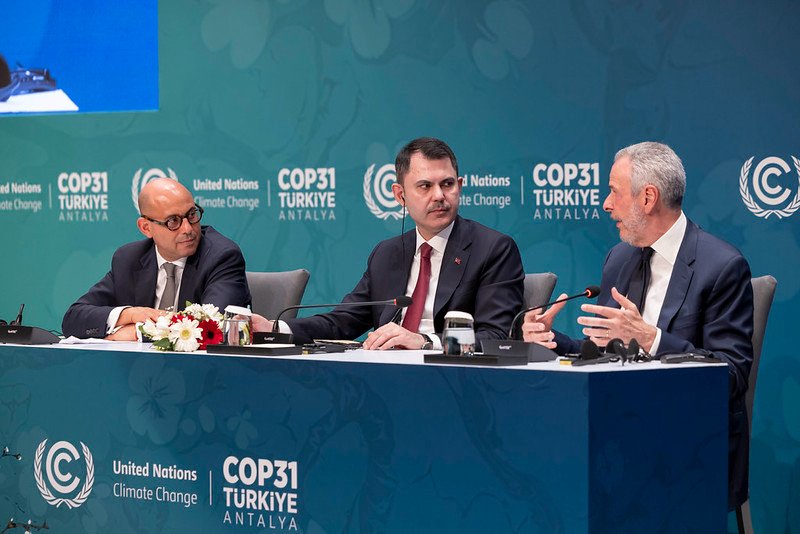
Executive Secretary of the UNFCCC Simon Steill, COP31 President-Designate Murat Kurum, and COP30 President André Corrêa do Lago. Photo credit: UNclimatechange
The war on Iran has erupted at a turbulent moment for climate diplomacy. The negotiations at COP30 last November were widely seen as a disappointment for international climate action. Hopes that a consensus could be reached committing countries to a plan to end fossil fuel use and halt deforestation were dashed, with obstructionist petrostates playing their usual part.
Amid that disappointment, however, one glimmer of hope appeared: The COP30 Presidency announced that it would support pursuing a roadmap away from fossil fuels outside the formal negotiating process. This was an unusual step and a welcome move among a growing coalition of willing countries frustrated by the glacial pace of progress.
The carbon scramble
We can now expect a global bidding war for fuels. Historically, energy crises push governments toward security in the form of fossil reserves: Think the 1973 oil crisis, the 1990 invasion of Kuwait, the 2022 invasion of Ukraine. When supplies are cut off, the first order of business is securing new ones.
The current conflict is already affecting both oil and gas flows. If both of these commodities spike in tandem, substitution becomes harder. This is bad news for the climate, at least in the short term: For governments already struggling to justify the costs of transition to the populace, energy shocks offer political cover for backsliding.
When the price of gas goes up, coal starts looking more attractive.
Renewable energy is energy sovereignty
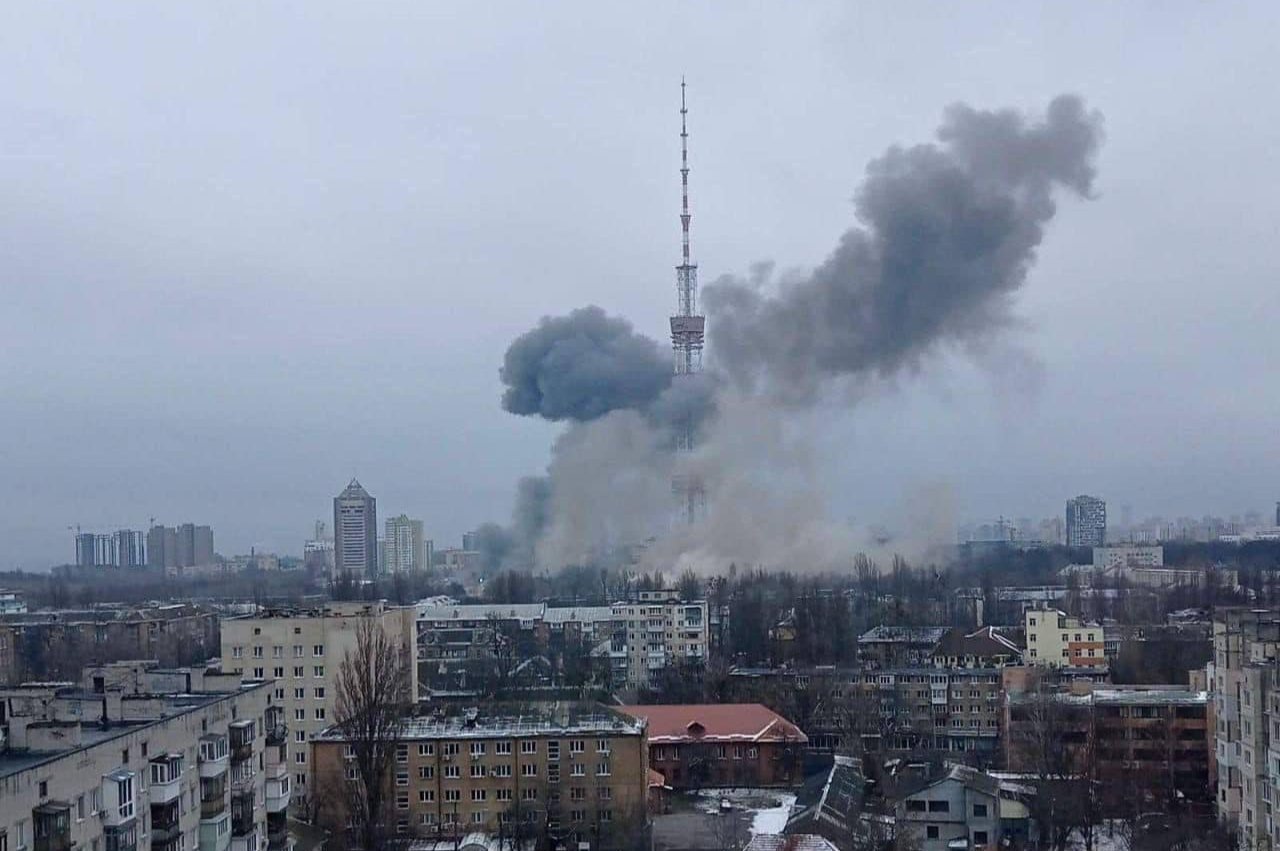
Russian bombardment of telecommunications antennas in Kyiv, 2022. Photo credit: Mvs.gov.ua/Wikimedia Commons
But there is also a countervailing dynamic unfolding on a longer timescale.
Energy shocks send states scrambling for more fuel but also for solutions to the vulnerability of future shocks. James Gutman, commodities strategist at the Carlyle Group speaking on a recent episode of the Energy Empire podcast, points out: “The first wave of investment in nuclear and renewables happened when the U.S. was on its knees because of an oil embargo in 1973.” More recently, Russia’s invasion of Ukraine sharpened the urgency of Europe’s renewable transition. The EU now spends ten times more investing in clean energy than it does in fossil fuels. The world may be in for similar lessons from the latest Middle East crisis. The Daily Telegraph reports UK Business Secretary Peter Kyle saying on Tuesday: “Doubling down on renewables is, yes, right for climate change, it’s, yes, right for jobs. It is also essential because we keep on seeing these lived examples of how instability, through regional instability, is creeping into our energy prices.”
Crisis and opportunity
The letter issued last week by COP30 President André Corrêa do Lago inviting contributions toward a roadmap away from fossil fuels comes at a point when the transition has never felt more urgent. Given the geopolitical and economic disruption set off on February 28, that roadmap and the upcoming conference in Colombia could prove to be a genuine inflection point. Crises cut both ways: The 1973 oil crisis produced real investment in alternatives… and also forty years of putting fossil fuel security at the pinnacle of global priorities. The Ukraine invasion accelerated Europe's clean energy transition… and also triggered an international boom for LNG that locked in decades of new demand. The question now is whether this energy shock translates into political will at the pace and scale the climate requires.
What is different this time is the existence of a diplomatic infrastructure seemingly made for this moment: a roadmap process, a conference, a growing coalition committed to move faster than the consensus allows. Whether this infrastructure can rise to the occasion may be the most important climate story of 2026.
For more analysis of the U.S.-Israel attack's impact on the energy market, check out this episode of Energy Empire: